

Accurate measurement is one of the foundations of laboratory testing, industrial manufacturing, logistics, pharmaceuticals, food production, and scientific research. Even the smallest weighing error can affect product quality, regulatory compliance, inventory management, and testing results. This is why laboratories and industrial facilities rely on traceable standard weights to maintain accuracy and consistency in their weighing equipment.
Traceable standard weights play a critical role in ensuring that scales and balances produce reliable measurements over time. Whether a facility uses laboratory balances, industrial floor weighing scales, counting scales, or heavy-duty platform systems, calibration using certified traceable weights helps maintain confidence in every measurement.
At the same time, proper maintenance through scale repair services, industrial scale calibration, and regular inspections helps prevent performance issues before they affect operations.
What Are Traceable Standard Weights?
Traceable standard weights are certified reference weights used to calibrate weighing equipment, linked through a documented chain to national or international standards. This traceability ensures every measurement connects back to a recognised standard with known uncertainty, supporting reliable and consistent results.
It also supports compliance in environments that rely on services such as an industrial scale repair company for maintaining equipment accuracy and performance.
Traceable weights are commonly used for:
- Laboratory balance calibration
- Industrial scale calibration
- Equipment verification
- Quality assurance procedures
- Compliance with ISO standards
- Routine scale performance testing
These weights are manufactured to strict tolerances and are often accompanied by calibration certificates showing their traceability and measurement uncertainty.
Why Accurate Calibration Matters
Calibration ensures that weighing equipment delivers accurate results within acceptable tolerances. Without calibration, weighing systems may drift over time due to wear, environmental conditions, vibration, overload, or frequent use.
Inaccurate measurements can create problems such as:
- Incorrect product formulations
Small weighing errors can lead to incorrect ingredient ratios or batch formulations, affecting product quality, consistency, and safety in production processes. - Failed quality inspections
Inaccurate measurements may cause products to fail quality control checks, leading to rejected batches, rework, or delays in production schedules. - Inventory discrepancies
Poor calibration can result in incorrect stock records, causing mismatches between actual and recorded inventory levels in warehouses and storage systems. - Shipping and freight errors
Weighing inaccuracies can impact freight calculations, leading to incorrect shipping costs, delivery issues, or compliance problems with logistics providers. - Regulatory non-compliance
Uncalibrated equipment may fail to meet industry standards such as ISO requirements, risking audit failures and potential legal or certification issues.
Routine scale calibration services help identify measurement deviations early and ensure weighing systems remain accurate for their intended use.
Industries that commonly rely on calibration include:
| Industry | Importance of Accurate Calibration |
|---|---|
| Pharmaceuticals | Ensures correct ingredient measurements |
| Manufacturing | Maintains product consistency |
| Logistics and Warehousing | Supports accurate freight calculations |
| Food Processing | Prevents incorrect batching |
| Laboratories | Ensures reliable testing results |
| Agriculture | Helps maintain inventory accuracy |
How Traceable Standard Weights Support Calibration
Establishing Measurement Accuracy
Traceable weights provide a known reference value during calibration. Technicians place these weights on a scale to verify whether the displayed reading matches the certified value.
If the readings differ, adjustments can be made to restore measurement accuracy.
This process helps ensure:
- Reliable measurement performance
- Consistent weighing results
- Reduced uncertainty
- Better process control
- Accurate documentation
Supporting Regulatory Compliance
Many industries must comply with strict quality standards and regulations. Traceable calibration supports compliance with standards such as:
- ISO 17025
- ISO 9001
- GMP requirements
- HACCP systems
- Industry-specific quality standards
Using traceable weights during industrial scale calibration demonstrates that measurements are linked to recognised standards.
Reducing Measurement Drift
Over time, scales can lose accuracy because of:
- Heavy usage
- Environmental changes
- Mechanical wear
- Dust accumulation
- Improper handling
- Electrical faults
Routine calibration using traceable standard weights helps identify drift before it becomes a major issue.
This is especially important for industrial floor weighing scales and high-capacity systems exposed to demanding environments.
Types of Equipment That Require Calibration
Many types of weighing systems benefit from regular calibration and verification.
Laboratory Balances
Laboratories rely on highly sensitive balances for precise measurements. Even a small error can affect testing accuracy and experimental outcomes.
Industrial Floor Scales
Industrial floor weighing scales are commonly used in warehouses, logistics centres, manufacturing plants, and freight operations.
Because these systems handle heavy loads daily, regular industrial floor scale calibration and floor scale repair are essential for maintaining reliability.
Counting Scales
Best counting scales are designed to count large quantities of identical parts based on weight.
An industrial counting scale must remain properly calibrated to ensure accurate inventory tracking and stock management.
Platform and Bench Scales
These scales are widely used in production lines and packaging operations where repeatable accuracy is important.
Rental Weighing Equipment
Facilities using industrial scale rental or weighing scale for rent solutions should still ensure equipment receives proper calibration and maintenance before use.
Benefits of Professional Scale Calibration Services
Working with experienced scale calibration companies provides several advantages.
Improved Accuracy
Professional calibration helps ensure weighing systems perform within required tolerances.
Reduced Downtime
Routine maintenance and calibration can prevent unexpected equipment failures.
Better Compliance
Certified calibration records support quality audits and regulatory inspections.
Longer Equipment Lifespan
Preventive maintenance reduces wear and helps protect sensitive components.
Reliable Measurement Records
Accurate weighing data improves inventory control, testing reliability, and production consistency.
If you need assistance or have any questions, feel free to visit our local office for professional guidance.
Choosing the Right Calibration and Repair Provider
Not all calibration providers offer the same level of expertise or service quality. Facilities should evaluate several factors before selecting a provider.
Industry Experience
An experienced industrial scale repair company understands the specific requirements of different industries and weighing systems.
Traceable Calibration Standards
Providers should use certified traceable standard weights with proper documentation.
Equipment Capability
The provider should support a wide range of systems, including:
- Industrial floor weighing scales
- Laboratory balances
- Counting scales
- Bench scales
- Heavy-capacity platform scales
Repair and Maintenance Support
Some facilities benefit from providers that offer both industrial scale repair and calibration services.
Rental Equipment Availability
During repairs or upgrades, businesses may require industrial scale rental solutions to avoid operational delays.
Best Practices for Maintaining Weighing Equipment
Proper maintenance helps improve scale performance and reduces the need for frequent repairs.
Keep Equipment Clean
Dust, debris, and moisture can affect weighing accuracy and damage sensitive components.
Avoid Overloading
Exceeding a scale’s maximum capacity can permanently damage load cells and structural components.
Schedule Routine Calibration
Regular scale calibration services help identify small issues before they become major problems.
Train Staff Properly
Incorrect handling and misuse are common causes of scale damage.
Monitor Environmental Conditions
Temperature changes, vibration, and humidity can affect weighing accuracy.
Understanding Calibration Frequency
Calibration intervals vary depending on how and where the equipment is used, as well as the level of accuracy required.
- Heavy equipment usage
When weighing systems are used frequently throughout the day, wear and drift can occur faster, requiring more regular calibration checks. - Critical measurement applications
In industries where accuracy directly impacts safety, quality, or compliance, calibration must be performed more often to maintain reliability. - Harsh environmental conditions
Exposure to dust, vibration, humidity, or temperature fluctuations can affect performance, increasing the need for frequent calibration. - Regulatory requirements
Some standards and audits require periodic verification at defined intervals to ensure ongoing compliance with measurement regulations. - Post-repair calibration needs
After any maintenance or repair work, equipment should be recalibrated to confirm it is functioning correctly and within tolerance. - High-performance industrial floor scales
Even the best industrial floor scales, including Cardinal retail scales, used in demanding environments require more frequent inspection and calibration to maintain consistent accuracy.
The Role of Calibration in Inventory and Production
Weighing accuracy directly affects inventory management and production efficiency.
For example:
- Incorrect counting scale measurements can affect stock levels
- Freight scales may create shipping discrepancies
- Production scales can impact batching accuracy
- Warehouse weighing systems may affect logistics records
Proper industrial scale calibration helps reduce these operational risks.
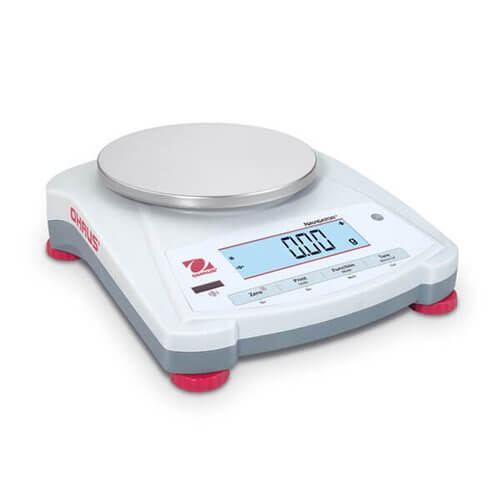
The Growing Demand for Accurate Weighing Systems
Industries are increasingly adopting advanced weighing technologies to improve operational efficiency, accuracy, and traceability across different processes. As production and compliance requirements become more strict, reliable weighing systems are now essential rather than optional.
Industrial floor scales
Demand for industrial floor scales is rising due to their ability to handle heavy loads in warehouses, manufacturing units, and logistics centres. Businesses prefer durable systems that can support continuous usage while maintaining accuracy.
Counting scales
Counting scales are widely used in inventory management and production environments. Their demand is increasing because they help improve stock accuracy by converting weight into precise quantity counts.
Industrial counting scale systems
Advanced industrial counting scale systems are being adopted to support large-scale operations where fast and accurate part counting is essential for reducing manual errors and improving efficiency.
Weighing scale calibration services
As accuracy requirements increase, organisations are relying more on professional weighing scale calibration services to ensure their equipment remains compliant, traceable, and reliable over time.
Industrial scale rental solutions
Many industries now prefer industrial scale rental options for short-term projects, equipment upgrades, or temporary demand spikes, as they offer flexibility without long-term investment.
As weighing systems continue to evolve, regular calibration and proper maintenance are becoming even more critical to ensure consistent performance, compliance, and measurement reliability.
Frequently Asked Questions
1. What are traceable standard weights?
Traceable standard weights are certified reference weights used to calibrate scales and balances. They are linked through documented calibration chains to recognised national or international standards.
2. Why is scale calibration important?
Scale calibration ensures weighing equipment produces accurate and reliable measurements. It helps reduce errors, improve compliance, and maintain operational efficiency.
3. How often should industrial scales be calibrated?
Calibration frequency depends on usage, industry requirements, and environmental conditions. High-use industrial floor weighing scales may require more frequent calibration than lightly used systems.
4. What is the difference between calibration and scale repair?
Calibration adjusts a scale to ensure accurate measurements, while scale repair addresses mechanical or electrical faults affecting performance.
5. Can counting scales lose accuracy over time?
Yes. Even the best counting scales can drift over time due to heavy use, environmental factors, or component wear. Routine calibration helps maintain accuracy.
6. When should a scale be repaired?
A scale may require repair if it shows unstable readings, display errors, slow response times, or physical damage.
Conclusion
Traceable standard weights are essential for maintaining accurate and reliable laboratory and industrial measurements. They support calibration processes by providing certified reference values linked to recognised standards, helping organisations improve measurement consistency and regulatory compliance.
Combined with regular scale calibration services, industrial scale repair, and preventive maintenance, traceable weights help ensure weighing systems continue to perform accurately in demanding environments. Whether using laboratory balances, industrial floor weighing scales, or industrial counting scale systems, routine calibration and proper maintenance remain critical for long-term reliability and operational efficiency.
For more information about calibration, repair, or weighing system support, contact us today to speak with our experts.