
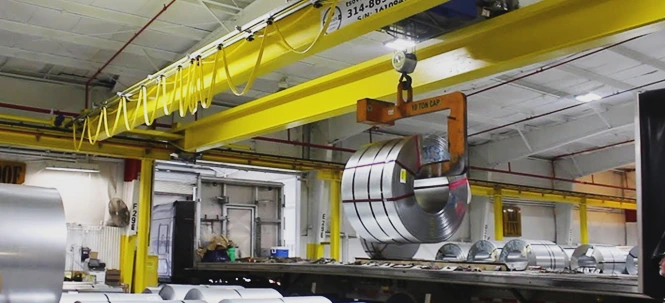
Accurate measurement is essential in almost every industrial sector that uses weighing systems. From manufacturing and logistics to food processing and pharmaceuticals, even small measurement errors can lead to serious issues such as financial loss, compliance failures, or inconsistent product quality.
This is where an ISO 17025 scale calibration company becomes important. These companies ensure that weighing instruments are tested, adjusted, and maintained according to internationally recognised standards, helping businesses achieve consistent and reliable results.
In this guide, we will explore how scale calibration works, why ISO 17025 matters, and how services such as scale calibration services, industrial scale repair, and weighing scale calibration services improve measurement accuracy.
What Is ISO 17025 in Scale Calibration?
ISO 17025 is an international standard that defines the requirements for testing and calibration laboratories. When applied to weighing systems, it ensures that calibration is performed in a controlled, traceable, and scientifically valid way.
A scale calibration company operating under ISO 17025 follows strict procedures that ensure:
- Measurements are traceable to national or international standards
- Calibration is performed under controlled conditions
- Results are consistent and repeatable
- Measurement uncertainty is calculated and recorded
This makes industrial scale calibration more reliable and accepted across regulated industries.
Why Measurement Accuracy Matters in Industrial Weighing
Measurement accuracy directly impacts productivity, cost efficiency, and compliance. Even a small error in weighing can affect entire production cycles.
For example:
- Manufacturing: Incorrect weights can lead to defective products
- Logistics: Overweight or underweight shipments can cause penalties
- Food industry: Inaccurate measurements affect safety and quality
- Pharmaceuticals: Small deviations can impact dosage accuracy
Because of these risks, companies rely on scale repair service and industrial scale repair company support to maintain system reliability.
How an ISO 17025 Scale Calibration Company Improves Accuracy
An ISO 17025 scale calibration company follows a structured process to ensure weighing systems perform accurately and consistently.
1. Verification Using Traceable Standards
Calibration begins by testing the scale against certified reference weights. These standards ensure that all measurements are traceable to recognised benchmarks.
This helps identify whether the scale is over-reading or under-reading weight values.
2. Adjustment and Correction of Errors
If any deviation is found, technicians make precise adjustments to restore accuracy. This step ensures that industrial floor weighing scales and laboratory balances remain reliable in daily operations.
3. Measurement Uncertainty Evaluation
Every calibration process includes uncertainty calculation, which defines the possible range of variation in measurements.
This helps users understand how reliable their weighing results are in real-world conditions.
4. Inspection and Preventive Maintenance
Regular inspection helps detect wear and tear before it affects performance. Services like industrial scale repair and floor scale repair help prevent breakdowns and ensure long-term accuracy.
Key Services That Support Measurement Accuracy
Below is an overview of important services that contribute to accurate weighing systems.
| Service | Purpose | Impact on Accuracy |
|---|---|---|
| Scale calibration services | Testing and adjusting weighing equipment | Ensures precise readings |
| Industrial scale calibration | Calibration of heavy-duty systems | Improves industrial reliability |
| Weighing scale repair | Fixing damaged scales | Restores correct function |
| Industrial scale repair | Repairing complex systems | Reduces measurement errors |
| Floor scale repair | Maintenance of platform scales | Ensures stable load readings |
| Scale repair service | General repair and maintenance | Prevents long-term inaccuracies |
| Industrial counting scale | Counting items by weight | Improves inventory accuracy |
| Industrial scale rental | Temporary access to equipment | Ensures calibrated usage |
| Weighing scale for rent | Short-term weighing solution | Maintains operational accuracy |
Role of Industrial Floor Scales in Accuracy
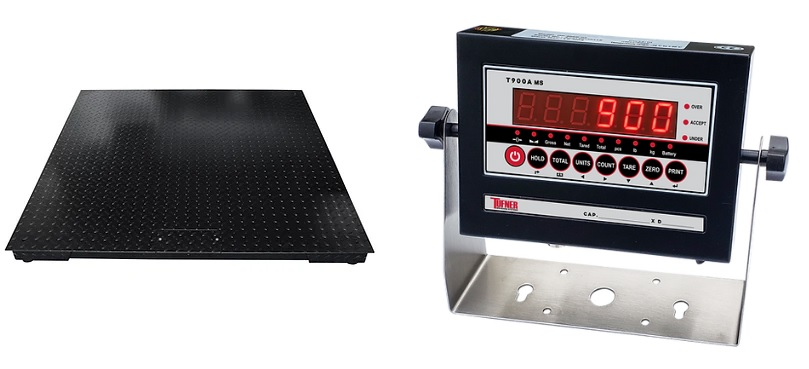
Industrial floor scales are widely used in warehouses and production facilities. They are designed for heavy loads but still require regular calibration.
Key considerations include:
- Calibration under full load conditions
Industrial floor scales are calibrated while carrying actual or simulated heavy loads to ensure real-world accuracy. This helps confirm that the scale performs correctly under working conditions, not just in controlled environments. - Sensitivity to uneven surfaces
These scales can be affected by uneven flooring or poor installation surfaces. Even slight imbalances can lead to inaccurate readings, so proper setup and regular checks are important for stable performance. - Impact of continuous heavy usage
Frequent use in warehouses and production areas can gradually affect sensor accuracy. Over time, wear and strain may cause drift in readings, requiring periodic calibration and monitoring. - Need for periodic floor scale repair
Regular floor scale repair is necessary to fix mechanical wear, load cell issues, or structural damage. This ensures the scale continues to deliver consistent and reliable measurements.
Without proper maintenance, even durable industrial floor scales can lose accuracy over time. If you need assistance or have any questions, feel free to visit our local office for professional guidance.
Importance of Counting Scales in Industry
Counting scales are used to determine quantity based on weight, especially in inventory and packaging operations.
To maintain accuracy:
- Use properly calibrated best counting scales
- Regularly test with sample weights
- Keep environmental conditions stable
- Perform timely industrial scale repair when needed
Accurate counting helps reduce inventory errors and improves operational efficiency.
When Industrial Scale Rental Becomes Useful
Not every business requires permanent weighing equipment. In many cases, industrial scale rental or weighing scale for rent services offer a practical solution.
Benefits include:
- Access to calibrated equipment without purchase
- Flexibility for short-term operations
- Reduced maintenance responsibilities
- Immediate compliance-ready equipment
This is especially useful for seasonal or project-based industries.
Signs That a Scale Needs Calibration or Repair
It is important to identify early signs of scale issues to avoid measurement errors.
Common indicators include:
- Inconsistent weight readings
When a scale shows different readings for the same object, it indicates a calibration or sensor issue. This inconsistency can affect daily operations and should be checked immediately to avoid measurement errors. - Delayed or unstable display results
If the display takes time to stabilise or fluctuates frequently, it may signal internal faults. This often points to load cell or electronic issues that require timely inspection and calibration. - Error messages on the system
Recurring error codes or warnings on the scale display usually indicate technical malfunctions. These errors should not be ignored, as they can directly impact measurement reliability. - Physical damage or misalignment
Visible damage, uneven placement, or structural misalignment can affect weighing accuracy. Even minor physical issues can lead to incorrect readings if not corrected quickly. - Gradual drift in repeated measurements
When repeated measurements slowly shift away from expected values, it shows calibration drift. This is a common sign that the scale needs servicing or recalibration. - Need for immediate repair action
When any of these issues appear, prompt scale repair service or industrial scale repair is required. Early intervention helps prevent larger faults and ensures continued measurement accuracy.
When these signs appear, scale repair service or industrial scale repair should be carried out immediately.
How Calibration Supports Compliance
ISO 17025 calibration is essential for industries that require strict compliance with regulations.
It helps by:
- Ensuring traceable measurement results
ISO 17025 calibration ensures all measurements can be traced back to recognised national or international standards. This traceability improves reliability and builds confidence in weighing results across industrial operations. - Providing documented calibration records
Every calibration process is supported with formal documentation that records results, methods, and uncertainty values. These records help organisations maintain transparency and verify measurement accuracy when needed. - Supporting audit and inspection readiness
Proper calibration documentation makes it easier for businesses to pass audits and inspections. It ensures that all weighing equipment meets required standards and follows approved calibration procedures. - Reducing the risk of non-compliance penalties
Accurate and certified calibration helps companies avoid regulatory violations. It reduces the chances of penalties caused by incorrect measurements or missing compliance records.
This is especially important in regulated sectors such as healthcare, food production, and logistics.
Benefits of Regular Scale Calibration and Repair
Regular calibration and maintenance provide long-term advantages such as:
- Improved measurement consistency
- Reduced operational errors
- Better product quality control
- Lower maintenance costs over time
- Extended equipment lifespan
Combining scale calibration services with industrial scale repair ensures stable and accurate performance.
Frequently Asked Questions
1. What does an ISO 17025 scale calibration company do?
It ensures weighing equipment is tested, adjusted, and certified for accuracy using internationally recognised standards.
2. How often should scale calibration services be performed?
Most industrial scales require calibration every 6 to 12 months, depending on usage and environment.
3. What is the difference between calibration and repair?
Calibration ensures accuracy, while repair fixes mechanical or electronic faults in the scale.
4. Why is industrial scale calibration important?
It ensures heavy-duty weighing systems deliver accurate results, reducing errors in production and logistics.
5. Do industrial floor scales require maintenance?
Yes, they require regular calibration and floor scale repair due to heavy usage and environmental impact.
6. What are counting scales used for?
They are used to count large quantities of items based on weight, improving inventory accuracy.
Final Thoughts
An ISO 17025 scale calibration company plays a vital role in ensuring measurement accuracy across industrial operations. Through structured calibration processes, traceable standards, and supporting services such as industrial scale repair, scale calibration services, and weighing scale calibration services, these companies help businesses maintain reliable weighing systems.
Accurate measurement is not just about compliance but also about efficiency, cost control, and product quality. Regular calibration and maintenance ensure long-term stability and performance in all industrial weighing environments. For accurate scale calibration and repair services, contact us today to ensure reliable and compliant weighing performance.