
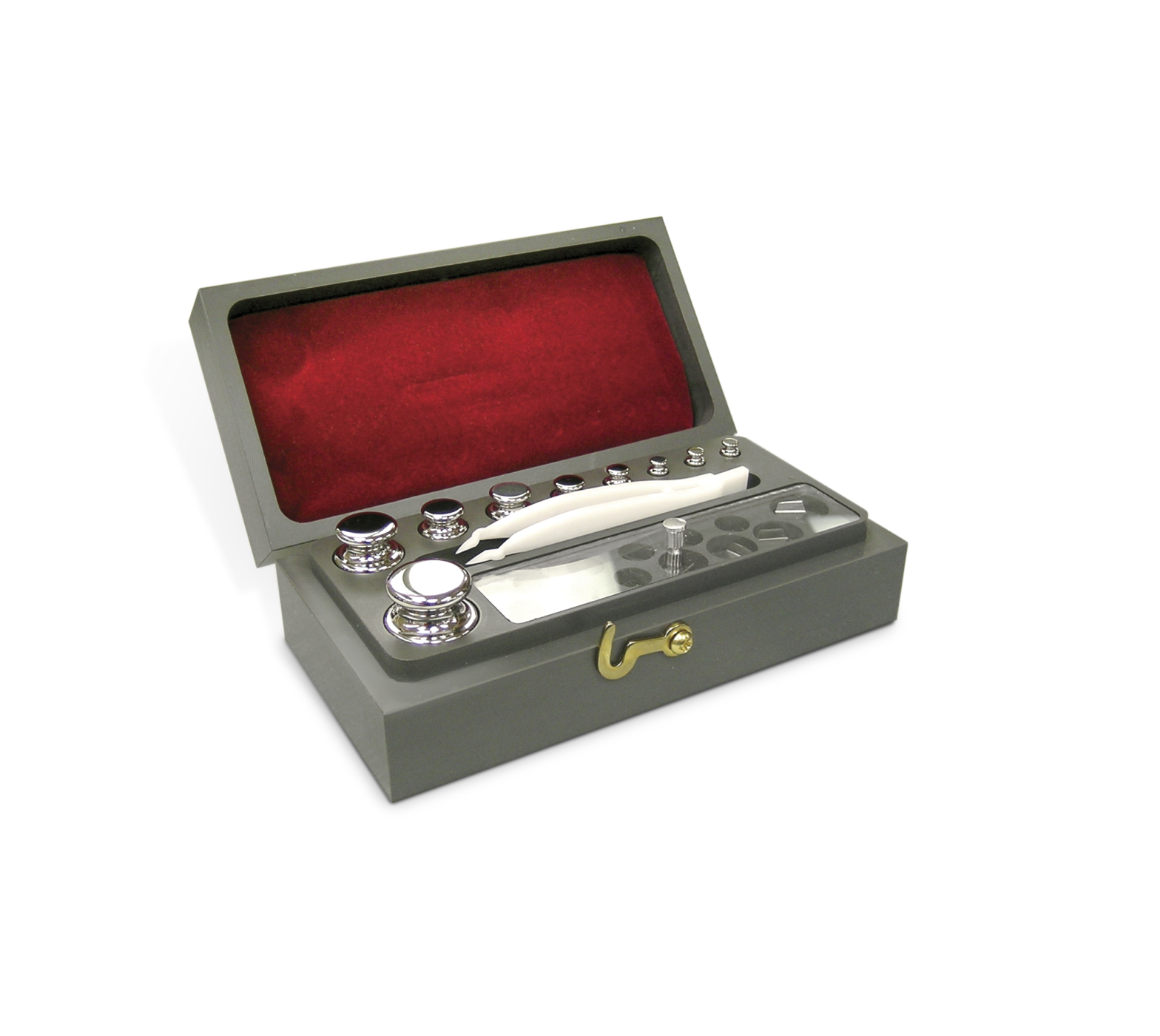
Calibration weights are just as important as the scale itself. Even if your scale is serviced regularly, damaged or poorly stored weights can lead to inaccurate results.
These weights are highly precise, and small issues like dirt, corrosion, or wear can affect their accuracy. If they fall outside tolerance, your measurements can no longer be trusted. This guide covers how to properly handle, store, and maintain calibration weights, and when to seek professional calibration support.
Why Calibration Weight Maintenance Matters
Before getting into the how, it helps to understand the why. Calibration weights are used to verify that a scale is reading correctly. If the weight itself is inaccurate, the calibration check is unreliable, even if the scale is perfectly adjusted.
Here is why proper maintenance of calibration weights is so important:
- Accuracy depends on mass stability: Even tiny changes to the surface of a weight, such as rust, dust build-up, or surface scratches, can shift its actual mass.
- Regulatory compliance requires traceability: For legal-for-trade applications, calibration must be traceable to national or international standards. A damaged or contaminated weight breaks that chain of traceability.
- Calibration errors are costly: If a scale is calibrated using a compromised weight, every measurement made on that scale may be off, leading to product loss, compliance issues, or financial discrepancies.
- It protects your investment: Industrial scale calibration and scale repair services are not inexpensive. Protecting the tools used during calibration extends the value of those services.
Whether you use calibration weights in-house or rely on a professional industrial scale repair company to perform calibrations, understanding how to care for these weights helps ensure the work gets done right every time.
Understanding Weight Classes and Their Sensitivity to Damage
Not all calibration weights require the same level of care. Higher accuracy weight classes are more sensitive to handling, environmental conditions, and surface contamination.
| OIML Class | Tolerance Level | Sensitivity to Handling | Common Application |
|---|---|---|---|
| E1 | Tightest | Extremely high | National reference labs |
| E2 | Very tight | Very high | Pharmaceutical, precision labs |
| F1 | Tight | High | Industrial calibration, precision use |
| F2 | Moderate | Moderate | General industrial use |
| M1 | Standard | Lower | Industrial floor scales, trade scales |
| M2 | Wider | Low | Counting scales, general weighing |
| M3 | Widest | Lowest | Rough industrial applications |
The key takeaway here is that E and F class weights used in precision industrial scale calibration need more careful handling than M class weights used on heavy-duty industrial floor scales. That said, all calibration weights benefit from proper care and storage regardless of their class.
Proper Handling Techniques for Calibration Weights
How you physically handle calibration weights is one of the biggest factors in preserving their accuracy. Human skin carries oils, salts, and moisture that can corrode or contaminate the surface of a weight over time.
Here are the core handling rules to follow:
- Always use clean cotton or lint-free gloves. Never handle calibration weights with bare hands, especially higher-class weights like E1, E2, or F1.
- Use the proper lifting tools. Larger weights should be lifted with the hooks or handles provided. Smaller precision weights should be handled with tweezers or tongs made for calibration use.
- Avoid dropping or striking weights. Even a small impact can cause a microscopic dent or deformation that changes the mass of the weight.
- Handle one weight at a time. Rushing through calibration and clinking weights together is a common cause of surface damage.
- Keep weights away from magnets. Magnetic fields can affect the mass behavior of steel weights, particularly in precision applications.
Storage Best Practices for Calibration Weights
Improper storage is one of the most common reasons calibration weights lose their accuracy between uses. Here is what proper storage looks like:
Use the Original Case or a Dedicated Storage Box
Most calibration weights come in a fitted case for a reason. These cases are designed to protect each weight from impact, dust, and moisture. If the original case is lost or damaged:
- Replace it with a similar fitted case
- Use foam-lined containers that hold each weight individually
- Never store weights loose in a drawer or toolbox
Control the Storage Environment
The environment where you store your weights matters significantly, especially for higher-class weights used in precision industrial scale calibration.
- Store weights in a dry area with stable temperature and low humidity
- Avoid areas near industrial equipment that generates heat, vibration, or exhaust
- Keep weights away from chemical storage areas, as fumes can cause surface corrosion
- If you work in a humid environment, consider adding silica gel packets to the storage case
Keep Weight Sets Complete
Never remove individual weights from a certified set for other uses. If a weight goes missing or gets damaged, the entire set may need to be recertified by a qualified weighing scale calibration service. For more information or assistance, you can also visit our local office to speak with our experts.
How to Clean Calibration Weights Correctly
Cleaning calibration weights requires care. The wrong cleaning method can cause more damage than the contamination itself.
Here is a step-by-step cleaning approach based on weight class:
- Inspect first: Check for dust, dirt, or corrosion under proper lighting before cleaning.
- Use a soft brush: Remove loose dust with a clean, dry camel hair or natural bristle brush.
- Wipe gently: Use a lint-free cloth for smudges, wiping in one direction to avoid scratches.
- Use alcohol if needed: For tougher dirt, lightly dampen a cloth with ethanol or isopropyl alcohol and let the weight dry fully.
- Avoid damage: Do not use water, abrasive materials, or clean E class weights yourself leave those to professionals.
After cleaning, always allow weights to reach ambient temperature before using them for scale calibration. Temperature differences between the weight and the scale environment can affect readings.
When to Send Calibration Weights for Recertification
Even well-maintained calibration weights need periodic recertification. Recertification is the process of having a qualified weighing scale calibration service verify that your weights still fall within their stated tolerance class.
You should send weights for recertification when:
- They are due for their regular recertification interval, which is typically every one to two years depending on the class and how frequently they are used
- A weight has been dropped, struck, or physically damaged
- You notice the scale giving inconsistent results during calibration checks
- A weight shows signs of corrosion, discoloration, or surface pitting
- The weight has been used in a harsh environment like chemical processing or extreme temperatures
Recertification should be done by accredited scale calibration companies that can issue a traceable calibration certificate. This is especially important for businesses in regulated industries where weighing accuracy is audited.
Connection Between Weight Maintenance and Scale Performance
Proper weight maintenance directly impacts the results of your scale calibration services. But it also connects to broader equipment health. Here is how:
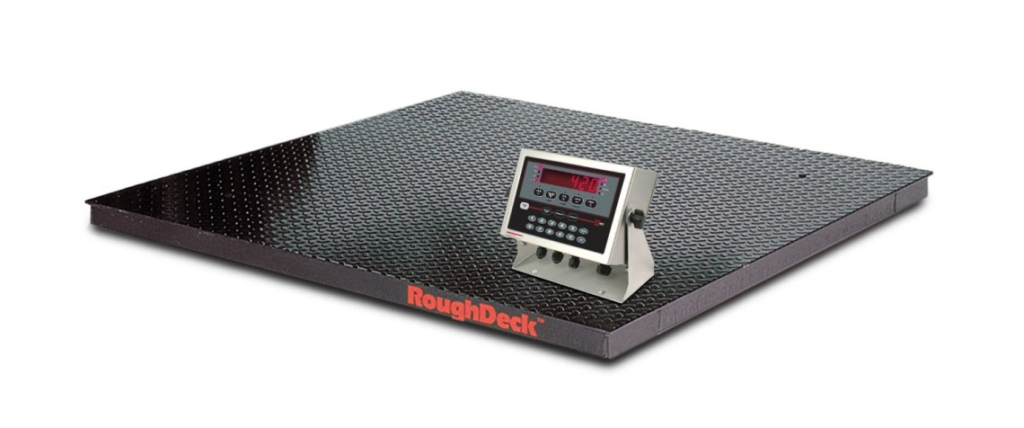
- Industrial floor scales in warehouses and manufacturing rely on accurate calibration for shipments, inventory, and compliance. If calibration weights are compromised, all measurements become unreliable.
- Industrial counting scales depend on precise average piece weight. Even small calibration errors can lead to major discrepancies when counting large volumes.
- Repeated use of inaccurate weights can also lead to incorrect adjustments, often resulting in costly floor scale repair and long-term measurement errors.
Industrial floor scales from reputable providers come with recommended calibration schedules and weight classes. Following these and maintaining your weights properly helps extend equipment life.
Industrial Scale Rental and Calibration Weights
If you are using a weighing scale for rent from an industrial scale rental provider, ask about the calibration status of the equipment before accepting it. A well-managed industrial scale rental program should include:
- A recent calibration certificate with the rental unit
- Documentation of the calibration weights used
- Confirmation that calibration weights were within their certified tolerance at the time of calibration
If the rental scale will be used for trade or compliance purposes, verify that the calibration meets local weights and measures requirements. A reliable industrial scale repair company that also offers rental equipment will typically handle this as a standard part of their service process.
Frequently Asked Questions
Q: How often should calibration weights be recertified?
Typically every 1–2 years. High-precision or regulated environments may require more frequent checks.
Q: Can I use any cloth to clean calibration weights?
No. Use only lint-free cloths or soft natural brushes to avoid scratches and damage.
Q: What happens if a calibration weight is dropped?
It should be removed from use and recertified, even if no visible damage is seen.
Q: Do counting scales and floor scales need different weights?
Yes. Counting scales need higher-accuracy weights (F1/F2), while floor scales use M1/M2.
Q: Can weight maintenance be done in-house?
Basic cleaning and handling can be done in-house, but recertification should be done by professionals.
Q: How can I tell if weights are affecting scale readings?
If readings are inconsistent after calibration, the weights may be faulty and should be checked.
Final Thoughts
Calibration weight maintenance is often ignored until issues arise, but it directly affects compliance, quality, and accuracy. It’s simple to manage use gloves, store properly, clean carefully, and schedule regular recertification through a certified service.
Whether using industrial floor scales, counting scales, or looking at industrial floor scales for sale, calibration weights are essential. For support, contact us for expert guidance.