
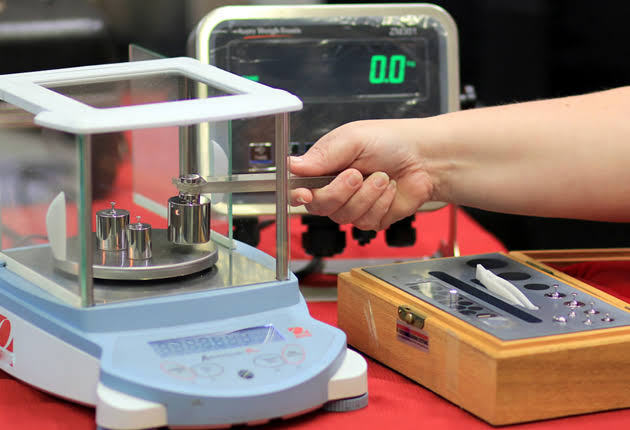
Ethernet communication enables industrial weighing systems to transfer data faster, more reliably, and over greater distances than many traditional communication methods. When combined with regular weighing scale calibration services, Ethernet-connected scales help improve production efficiency, reduce downtime, and support accurate decision-making across manufacturing and warehouse operations.
Key Takeaways
- Ethernet provides faster and more reliable communication than many traditional industrial communication methods.
- Modern industrial weighing systems benefit from real-time data transfer and remote monitoring.
- Ethernet networks simplify system integration with PLCs, computers, and enterprise software.
- Regular maintenance and weighing scale calibration services help maintain measurement accuracy.
- Working with experienced scale calibration companies ensures long-term performance and compliance.
Industrial automation has transformed the way manufacturers, warehouses, and distribution centres manage production and inventory. Industrial weighing systems no longer operate as standalone equipment. Instead, they are connected to production lines, PLCs, ERP software, warehouse management systems, and cloud-based monitoring platforms.
To support this level of connectivity, communication technology has also evolved. While traditional communication methods such as serial connections and analogue signals continue to be used in certain applications, Ethernet has become the preferred communication standard for many modern weighing systems.
Ethernet offers high-speed communication, greater flexibility, and improved reliability, making it an ideal choice for businesses that depend on accurate, real-time weight information. However, even the most advanced communication network cannot compensate for inaccurate weighing equipment. Regular weighing scale calibration services remain essential for ensuring that the data transmitted across the network is both accurate and dependable.
What Is Ethernet Communication?
Ethernet is a networking technology that allows multiple devices to communicate over a Local Area Network (LAN). In industrial environments, Ethernet enables weighing scales, PLCs, HMIs, computers, barcode scanners, printers, and production software to exchange information quickly and efficiently.
Unlike older communication systems that often connect one device to another, Ethernet creates a network where multiple devices can communicate simultaneously.
For industrial weighing systems, this means weight data can be instantly shared with different departments, improving production visibility and operational efficiency
How Ethernet Works in Industrial Weighing Systems
Modern industrial scales generate valuable operational data every second. Ethernet allows this information to be transmitted directly to connected systems without manual intervention.
A typical Ethernet-connected weighing system follows this process:
Weight Measurement
The industrial scale measures the weight of products, raw materials, or finished goods using precision load cells.
Data Processing
The weighing indicator converts the measurement into digital information.
Ethernet Transmission
The data is sent through the Ethernet network to PLCs, computers, warehouse management software, or cloud-based systems.
Real-Time Decision Making
Operators and automated systems immediately receive accurate weight information, allowing production processes to continue without interruption.
This seamless communication improves both speed and operational accuracy.
Traditional Communication Methods Used in Industrial Weighing
Before Ethernet became widely adopted, many industrial weighing systems relied on traditional communication methods.
These include:
Serial Communication (RS-232)
A simple point-to-point connection commonly used for connecting scales directly to computers or printers.
RS-485 Communication
Designed for longer communication distances and multiple connected devices, RS-485 remains common in industrial automation.
4–20mA Analogue Signals
Frequently used in process control applications, 4–20mA provides reliable communication in electrically noisy industrial environments.
0–10V Communication
Typically used for shorter cable runs and smaller automation systems.
While these communication methods continue to perform effectively in many applications, they generally offer less flexibility and lower data transmission speeds than Ethernet.
Ethernet vs Traditional Communication Methods
Choosing the right communication method depends on the size, complexity, and operational requirements of the facility.
| Feature | Ethernet | Traditional Communication |
| Data Speed | High-speed | Slower |
| Device Connectivity | Multiple devices | Often limited |
| Remote Access | Yes | Limited |
| Network Expansion | Easy | More complex |
| Data Sharing | Real-time | Often delayed |
| Scalability | Excellent | Moderate |
| Integration with Business Software | Simple | Limited |
For facilities that rely on automation and real-time reporting, Ethernet often provides greater long-term value.
Benefits of Ethernet Communication for Industrial Weighing Systems
Faster Data Transmission
Ethernet transfers information significantly faster than many traditional communication methods. This enables production systems to respond instantly to changing weight measurements, improving overall process efficiency.
Real-Time Monitoring
Operators can monitor weighing systems from multiple workstations without needing to be physically located near the equipment.
Real-time visibility improves production control and allows issues to be identified more quickly.
Improved System Integration
Ethernet simplifies communication between industrial scales and other automation equipment.
Connected systems may include:
- PLCs
- ERP software
- Warehouse management systems
- Production monitoring platforms
- Barcode scanners
- Label printers
- Quality control software
This integration reduces manual data entry while improving operational accuracy.
Easier Network Expansion
As production grows, additional weighing stations can often be added to an existing Ethernet network with minimal disruption.
This flexibility supports future expansion without requiring major infrastructure changes.
Reduced Downtime
Ethernet communication allows maintenance teams to monitor system performance remotely and identify potential issues before they interrupt production.
Combined with routine inspections and weighing scale calibration services, this proactive approach helps reduce costly downtime.
Improved Data Accuracy
Automated data transmission eliminates many manual recording errors and ensures weight information is shared consistently across connected systems.
This improves inventory management, production reporting, and quality assurance.
Why Accurate Communication Still Depends on Proper Scale Calibration
While Ethernet provides fast and reliable communication, it only transmits the information generated by the weighing system. If a scale is not properly calibrated, the data shared across the network will also be inaccurate.
For example, an incorrectly calibrated scale may send inaccurate weight measurements to PLCs, warehouse management software, or inventory systems. These errors can affect production scheduling, inventory records, shipping weights, and product quality.
Regular weighing scale calibration services ensure that every weight transmitted through the Ethernet network reflects the actual measurement, helping businesses make confident operational decisions.
Benefits of Routine Scale Calibration
Proper calibration offers several important advantages:
- Maintains accurate weight measurements
- Reduces production errors
- Supports product quality and consistency
- Minimizes material waste
- Helps meet regulatory and industry standards
- Improves confidence in production data
- Extends equipment lifespan
- Reduces unexpected downtime
Whether your weighing system communicates through Ethernet or traditional methods, calibration remains one of the most important aspects of equipment maintenance.
Why Businesses Work with Professional Scale Calibration Companies
Industrial weighing equipment is a precision instrument that requires regular inspection and calibration to maintain accuracy. Working with experienced scale calibration companies ensures that weighing systems continue to perform according to manufacturer specifications and operational requirements.
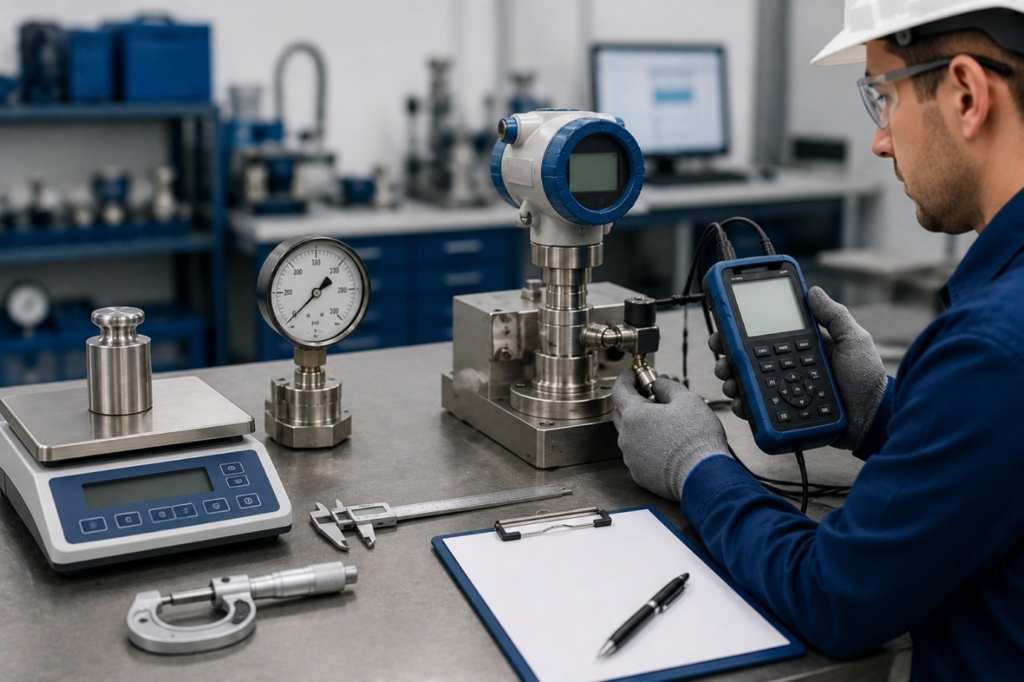
Professional calibration providers use certified test weights and specialized equipment to verify scale performance, identify potential issues, and recommend corrective actions before small problems become costly failures.
Advantages of Professional Calibration Services
Partnering with a trusted calibration company provides several long-term benefits:
- Certified and traceable calibration procedures
- Improved weighing accuracy
- Early detection of equipment wear
- Reduced maintenance costs
- Better compliance with quality management systems
- Increased confidence in production and inventory data
Routine calibration helps manufacturers protect product quality while maintaining efficient production operations.
Best Practices for Ethernet-Based Weighing Systems
Implementing Ethernet communication successfully requires careful planning and ongoing maintenance. The following best practices can help maximize system performance.
Use Reliable Network Infrastructure
Install high-quality Ethernet cables, connectors, and network switches designed for industrial environments to ensure stable communication.
Protect Network Equipment
Industrial environments often expose equipment to dust, vibration, moisture, and temperature fluctuations. Protecting network components helps maintain reliable communication.
Perform Regular Scale Calibration
Even the most advanced communication network depends on accurate weighing equipment. Schedule routine weighing scale calibration services to maintain measurement accuracy.
Keep Software Updated
Regular firmware and software updates improve system security, communication reliability, and compatibility with connected devices.
Monitor Network Performance
Periodically review communication logs and network performance to identify potential issues before they affect production.
Common Mistakes to Avoid
Several avoidable mistakes can reduce the effectiveness of Ethernet-connected weighing systems.
Ignoring Calibration Requirements
Fast communication cannot compensate for inaccurate measurements. Skipping calibration often leads to poor production decisions and unnecessary waste.
Choosing Incompatible Equipment
Ensure that industrial scales, PLCs, indicators, and software support compatible communication protocols before installation.
Poor Cable Management
Running Ethernet cables near high-voltage electrical wiring may increase the risk of interference or physical damage.
Delaying Preventive Maintenance
Waiting until equipment fails can result in expensive repairs and unexpected production interruptions.
Overlooking Network Security
As more industrial systems become connected, protecting network infrastructure from unauthorized access is increasingly important.
Expert Tips for Maximizing Ethernet Performance
Manufacturers can improve both communication reliability and weighing accuracy by following these recommendations:
- Design the network with future expansion in mind.
- Label all network connections clearly to simplify maintenance.
- Test communication after installing new equipment.
- Back up network configuration settings regularly.
- Schedule preventive maintenance for both network hardware and weighing equipment.
- Maintain detailed calibration records for compliance and quality assurance.
- Partner with experienced scale calibration companies for routine inspections and technical support.
Taking a proactive approach helps prevent communication issues and supports long-term operational efficiency.
Ethernet vs Traditional Communication: Which Is Right for Your Business?
| Consideration | Ethernet | Traditional Communication |
| Large Manufacturing Facilities | Excellent choice | Suitable for limited applications |
| Multiple Connected Devices | Excellent | Limited |
| Real-Time Reporting | Excellent | Moderate |
| Remote Monitoring | Supported | Limited |
| Future Expansion | Easy | More complex |
| Initial Installation | Moderate | Often simpler |
| Long-Term Flexibility | High | Lower |
For businesses investing in automation, Ethernet offers greater scalability and improved integration with modern manufacturing systems. However, traditional communication methods may still be appropriate for smaller facilities or standalone applications.
Preventive Maintenance Checklist
Maintaining both your weighing equipment and network infrastructure helps ensure reliable long-term performance.
| Maintenance Task | Recommended Frequency |
| Clean weighing equipment | Weekly or as required |
| Inspect Ethernet cables and connectors | Monthly |
| Verify communication between devices | Monthly |
| Check network hardware | Quarterly |
| Update firmware and software | As recommended |
| Perform weighing scale calibration | According to manufacturer or quality requirements |
| Schedule professional equipment inspection | Every 6–12 months |
Following a preventive maintenance schedule reduces downtime, improves communication reliability, and extends the life of your weighing equipment.
Conclusion
Ethernet has become the preferred communication technology for modern industrial weighing systems because it offers faster data transmission, improved connectivity, easier system integration, and greater flexibility than many traditional communication methods. As manufacturing facilities continue to adopt automation, reliable communication between industrial scales, PLCs, and business software is essential for improving productivity and supporting informed decision-making.
However, communication technology alone cannot guarantee accurate results. Every weight measurement transmitted across an Ethernet network must originate from a properly calibrated scale. Investing in routine weighing scale calibration services helps maintain measurement accuracy, reduce operational errors, and support consistent production quality.
Working with experienced scale calibration companies also ensures your weighing equipment continues to perform reliably, allowing your business to maximize the benefits of Ethernet communication while maintaining compliance, efficiency, and long-term operational success.
Contact Us
Reliable communication starts with accurate weighing. Whether you need professional weighing scale calibration services, preventive maintenance, equipment inspections, or support from experienced scale calibration companies, our team is ready to help. We provide dependable solutions that keep your industrial weighing systems accurate, connected, and performing at their best. Contact us today to learn how we can support your weighing and automation requirements.
Frequently Asked Questions
Ethernet provides fast, reliable, and real-time communication between industrial scales, PLCs, computers, and business software. It supports multiple connected devices and simplifies system integration, making it ideal for modern automated facilities.
For many applications, yes. Ethernet offers higher data transfer speeds, improved scalability, remote monitoring capabilities, and easier integration compared to traditional communication methods such as RS-232 or analogue signals. However, the best option depends on the specific operational requirements.
Ethernet can only transmit the data generated by the weighing system. If a scale is not calibrated correctly, inaccurate measurements will be shared across the network. Regular weighing scale calibration services help ensure that transmitted data remains accurate and reliable.
Calibration frequency depends on equipment usage, environmental conditions, and industry requirements. Many facilities schedule calibration every six to twelve months, while high-use or regulated environments may require more frequent inspections.
Look for providers with experienced technicians, certified calibration procedures, traceable test equipment, preventive maintenance expertise, responsive technical support, and a strong understanding of industrial weighing systems and automation technologies.