
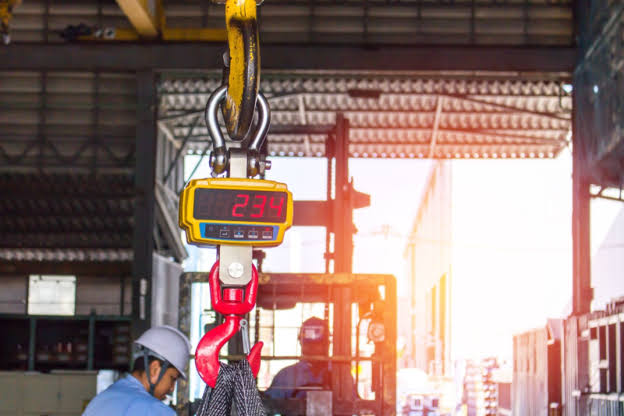
Industrial weighing scales are designed for accuracy, but environmental conditions such as temperature fluctuations, humidity, dust, vibration, airflow, and uneven flooring can significantly impact their performance. Regular maintenance and timely service from a trusted industrial scale repair company help ensure accurate measurements, reduce downtime, and extend the lifespan of your equipment.
Key Takeaways
- Environmental conditions directly influence weighing accuracy.
- Temperature, humidity, dust, vibration, and airflow are the most common causes of inaccurate readings.
- Routine inspections help identify issues before they affect operations.
- Proper installation and maintenance improve scale reliability.
- Professional industrial scale repair services keep equipment calibrated and operating efficiently.
Industrial weighing scales play an essential role in manufacturing, warehousing, logistics, agriculture, food processing, pharmaceuticals, and many other industries. Even the most advanced weighing systems can produce inaccurate readings when exposed to unfavorable environmental conditions.
Many businesses assume inaccurate measurements are caused by equipment failure. In reality, the surrounding environment is often the root cause. Factors such as changing temperatures, excessive moisture, nearby machinery, and airborne contaminants can gradually affect the performance of load cells, electronic components, and weighing platforms.
Understanding these environmental influences helps businesses improve weighing accuracy, minimize costly errors, and determine when professional industrial scale repair is needed.
Why Environmental Conditions Matter for Industrial Weighing
Industrial scales are precision instruments designed to measure weight accurately under controlled operating conditions. Any external influence that changes the force applied to the weighing system can lead to inaccurate results.
Poor weighing accuracy can result in:
- Product waste
- Inventory discrepancies
- Shipping errors
- Regulatory compliance issues
- Production delays
- Increased operating costs
- Customer complaints
Even small measurement errors repeated thousands of times each year can significantly impact profitability.
Common Environmental Factors That Affect a Weighing Scale
Temperature Changes
Temperature is one of the biggest factors affecting weighing accuracy.
Metal components naturally expand when heated and contract when cooled. Likewise, load cells and electronic sensors may experience slight variations in output as temperatures fluctuate throughout the day.
Common causes include:
- Outdoor installations
- Warehouses without climate control
- Equipment placed near ovens or furnaces
- Cold storage facilities
- Seasonal weather changes
Possible effects
- Drifting weight readings
- Longer stabilization times
- Calibration shifts
- Reduced measurement consistency
Best Practice
Allow scales to reach the surrounding room temperature before use, especially after transportation or relocation.
Humidity and Moisture
High humidity can damage sensitive electronic components and affect internal circuitry.
Moisture may enter connectors, load cells, or junction boxes, leading to corrosion and unstable electrical signals.
Industries commonly affected include:
- Food manufacturing
- Seafood processing
- Beverage production
- Agriculture
- Chemical facilities
Warning signs
- Fluctuating readings
- Display errors
- Rust or corrosion
- Intermittent communication failures
Professional inspections help identify moisture damage before it becomes a major repair.
Dust, Dirt, and Debris
Industrial environments often contain large amounts of dust, powders, metal particles, wood shavings, or chemical residue.
Over time, debris accumulates beneath or around the weighing platform, interfering with normal movement.
Dust may also enter electronic components if seals become damaged.
Problems caused by debris
- Restricted platform movement
- False weight readings
- Sensor contamination
- Accelerated equipment wear
Preventive Tip
Keep the weighing platform clean and inspect underneath the scale regularly.
Airflow and Wind
Even slight air movement can influence highly sensitive industrial scales.
Common sources include:
- HVAC systems
- Large warehouse fans
- Open loading dock doors
- Ventilation systems
- Outdoor installations
Airflow creates small forces on the weighing platform, causing unstable readings.
Best Practice
Install scales away from direct airflow whenever possible.
Vibrations from Nearby Equipment
Vibration is one of the most overlooked causes of inaccurate weighing.
Nearby machinery can continuously transfer vibration into the scale.
Examples include:
- Conveyor systems
- Forklifts
- Compressors
- Packaging machines
- Heavy manufacturing equipment
Common symptoms
- Unstable display
- Slow settling time
- Inconsistent measurements
- Frequent recalibration requirements
Proper installation and vibration isolation can significantly improve performance.
Uneven or Unstable Flooring
Industrial scales require a stable, level foundation.
Cracked concrete, shifting floors, or uneven installation surfaces affect how weight is distributed across the load cells.
This often leads to:
- Uneven load distribution
- Calibration errors
- Premature component wear
- Reduced weighing accuracy
Before installing a new scale, the surface should always be inspected for stability and levelness.
Static Electricity
In dry industrial environments, static electricity may interfere with sensitive electronic weighing systems.
Static discharge can cause:
- Display fluctuations
- Temporary weighing errors
- Communication interruptions
- Sensor instability
Facilities handling plastics, paper products, or electronic components are especially susceptible.
Grounding systems and proper environmental controls help reduce these issues.
Chemical Exposure
Many industrial environments expose weighing equipment to chemicals, solvents, cleaning agents, or corrosive substances.
These materials can gradually damage:
- Load cells
- Wiring
- Junction boxes
- Protective coatings
- Connectors
Routine inspections help identify early signs of chemical damage before costly failures occur.
How Environmental Conditions Affect Different Industries
| Industry | Primary Environmental Challenge | Potential Impact |
| Manufacturing | Vibration and dust | Inconsistent production measurements |
| Warehousing | Temperature fluctuations | Inventory inaccuracies |
| Food Processing | Moisture and frequent washdowns | Corrosion and sensor damage |
| Agriculture | Dirt and humidity | Reduced weighing accuracy |
| Logistics | Outdoor exposure | Calibration drift |
| Pharmaceutical | Temperature control | Compliance concerns |
Signs Your Scale May Need Professional Industrial Scale Repair
Environmental conditions can gradually affect weighing equipment without immediately causing complete failure. Recognizing the early warning signs allows businesses to address problems before they lead to costly downtime.
Watch for these common indicators:
- Weight readings change without adding or removing products.
- The display takes longer than usual to stabilize.
- Frequent calibration adjustments are required.
- Error codes appear regularly.
- Visible corrosion or moisture is present around electrical components.
- The weighing platform does not return to zero consistently.
- Measurements vary when weighing the same item multiple times
When Do Environmental Issues Require Professional Industrial Scale Repair?
While routine cleaning and calibration can solve minor issues, some environmental damage requires professional diagnosis and repair. Ignoring these problems may lead to inaccurate measurements, equipment failure, and costly production delays.
A qualified industrial scale repair company has the expertise and tools to identify issues that may not be visible during routine inspections.
Professional repair services may include:
- Diagnosing faulty load cells
- Replacing damaged electronic components
- Repairing or replacing junction boxes
- Inspecting cables and connectors
- Restoring damaged weighing platforms
- Performing certified calibration
- Conducting preventive maintenance inspections
- Testing the scale under operating conditions
Scheduling regular inspections helps identify wear and environmental damage before it affects production.
Industrial Scale Repair vs. Scale Replacement
Not every weighing issue means your equipment needs to be replaced. In many cases, professional industrial scale repair is a more cost-effective solution that restores accuracy and extends the life of your existing system.
| Situation | Repair | Replacement |
| Calibration drift | ✔ Recommended | ✖ Usually unnecessary |
| Damaged load cell | ✔ Replace affected component | ✖ Only if multiple components fail |
| Water or moisture damage | ✔ If caught early | ✔ Severe corrosion may require replacement |
| Electrical wiring issues | ✔ Repairable | ✖ Rarely required |
| Physical platform damage | ✔ Minor structural repairs | ✔ Major structural failure |
| Outdated technology | ✖ Limited benefit | ✔ Upgrade to a newer system |
An experienced technician can assess the condition of your equipment and recommend the most practical and cost-effective solution.
Step-by-Step Guide to Protect Your Industrial Weighing Scale
1. Install the Scale in the Right Location
Choose a level, stable surface away from excessive vibration, direct airflow, and moisture whenever possible.
2. Keep the Scale Clean
Remove dust, dirt, spilled materials, and debris from the weighing platform and underneath the scale on a regular basis.
3. Monitor Environmental Conditions
Track factors such as temperature, humidity, and vibration in your facility. If conditions frequently fall outside the manufacturer’s recommended operating range, consider environmental controls or relocating the equipment.
4. Perform Routine Calibration
Regular calibration helps maintain weighing accuracy and identifies small performance changes before they become significant problems.
5. Schedule Preventive Maintenance
Routine inspections by a professional industrial scale repair company can detect worn components, damaged wiring, and environmental wear before they result in unexpected downtime.
Best Practices for Maintaining Industrial Weighing Accuracy
To maximize the lifespan and performance of your industrial scales:
- Install scales on a stable, level foundation.
- Maintain a clean weighing area.
- Protect equipment from excessive moisture and corrosive chemicals.
- Minimize vibration from nearby machinery.
- Avoid placing scales directly beneath air vents or fans.
- Train employees on proper loading procedures.
- Follow the manufacturer’s maintenance schedule.
- Keep maintenance and calibration records for future reference.
Consistent maintenance reduces unexpected failures and helps ensure reliable weighing performance.
Common Mistakes That Reduce Scale Accuracy
Many weighing issues stem from avoidable practices. Here are some common mistakes to avoid:
- Ignoring small fluctuations in readings.
- Allowing debris to accumulate beneath the platform.
- Skipping routine calibration.
- Overloading the scale beyond its rated capacity.
- Installing equipment on uneven flooring.
- Exposing scales to harsh weather without proper protection.
- Delaying repairs when warning signs appear.
- Using damaged cables or connectors.
Addressing these issues early can prevent more extensive repairs and maintain operational efficiency.
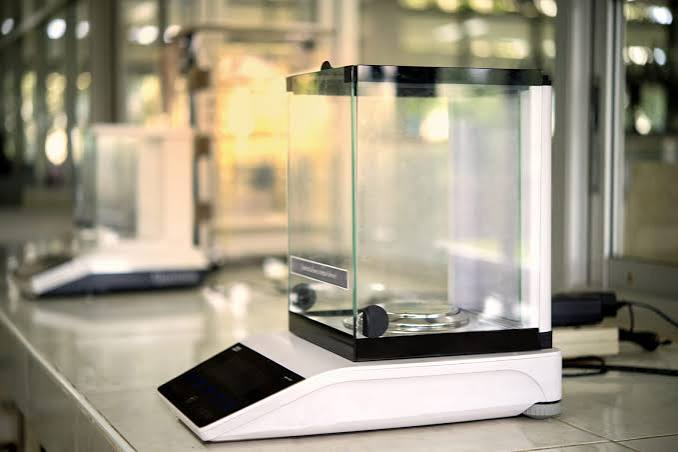
Expert Tips for Long-Term Scale Performance
Professionals who work with industrial weighing systems recommend these practical tips:
- Inspect scales visually before each shift.
- Clean the weighing platform daily in dusty environments.
- Check for signs of corrosion in humid or washdown areas.
- Verify zero balance before starting production.
- Keep heavy equipment and forklifts away from sensitive weighing stations.
- Schedule annual or semi-annual preventive maintenance, depending on usage.
- Replace worn components promptly to avoid further damage.
Small, consistent maintenance efforts can significantly improve reliability and extend the service life of your equipment.
Preventive Maintenance Checklist
Use this checklist to help keep your industrial weighing equipment in top condition:
| Maintenance Task | Recommended Frequency |
| Clean weighing platform | Daily |
| Remove debris beneath the scale | Weekly |
| Inspect cables and connectors | Monthly |
| Check for corrosion or moisture | Monthly |
| Verify level installation | Quarterly |
| Perform calibration | As recommended by the manufacturer or industry standards |
| Professional maintenance inspection | Every 6–12 months |
Following a preventive maintenance schedule helps minimize downtime, improve accuracy, and reduce unexpected repair costs.
Conclusion
Environmental conditions have a greater impact on industrial weighing systems than many businesses realize. Temperature changes, humidity, dust, vibration, airflow, uneven flooring, and chemical exposure can all affect weighing accuracy and shorten the lifespan of your equipment.
By understanding these factors and implementing proper maintenance practices, businesses can improve operational efficiency, reduce costly errors, and extend the life of their weighing systems. Regular inspections, timely calibration, and prompt repairs also help ensure consistent performance and compliance with industry standards.
When environmental conditions begin affecting your equipment, working with a trusted industrial scale repair company ensures problems are identified early and resolved before they disrupt your operations. Professional industrial scale repair services help keep your weighing systems accurate, reliable, and ready to support your day-to-day business needs.
Contact Us
If your industrial weighing equipment is showing signs of inaccurate readings, calibration drift, or environmental damage, our experienced team is here to help. We provide dependable industrial scale repair, maintenance, calibration, and inspection services to keep your equipment operating at peak performance. Contact us today to schedule a service appointment or learn how we can help improve the accuracy and reliability of your industrial weighing systems.
Frequently Asked Questions
Temperature changes can cause metal components to expand or contract and may affect the performance of load cells and electronic sensors. This can lead to inaccurate readings, calibration drift, and inconsistent measurements if the scale is not properly maintained.
The inspection frequency depends on usage and operating conditions. Facilities with heavy daily use or harsh environments should schedule preventive maintenance every six to twelve months, along with routine cleaning and regular calibration.
Common signs include unstable weight readings, repeated calibration issues, error messages, slow display stabilization, corrosion, damaged cables, or inconsistent measurements. These symptoms indicate it’s time for a professional inspection.
Yes. Dust can interfere with the movement of the weighing platform and contaminate internal components, while moisture may cause corrosion, electrical faults, and sensor failures. Keeping the equipment clean and dry helps maintain accuracy.
A professional industrial scale repair company has the expertise, diagnostic tools, and calibration equipment needed to accurately identify faults, restore weighing accuracy, replace damaged components, and help extend the lifespan of your industrial scales through preventive maintenance.