
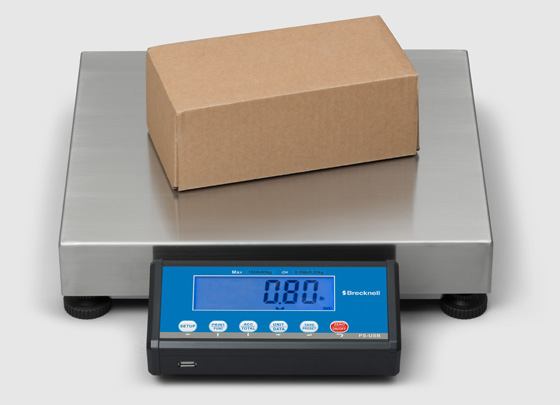
Industrial scales are the kind of equipment businesses often take for granted — until they stop working correctly. Whether it’s a floor scale on a warehouse dock, a bench scale in a production line, or a truck scale weighing loads all day, these instruments are subjected to constant wear: heavy loads, dust, moisture, temperature swings, and daily impact. Without a consistent maintenance routine, small issues quietly turn into major failures, inaccurate readings, or full equipment downtime.
The good news is that most scale problems are preventable. With the right maintenance habits and a relationship with a qualified industrial scale repair company, you can catch small issues early, extend the life of your equipment, and avoid the kind of unplanned downtime that disrupts operations and costs real money.
Why Routine Scale Maintenance Matters
Scales are precision instruments operating in some of the toughest environments in a facility — loading docks, production floors, outdoor weighing stations. Over time, that environment takes a toll:
- Load cells can degrade from moisture intrusion, overloading, or electrical issues.
- Mechanical components wear down from repeated impact and heavy daily use.
- Structural elements like platforms and foundations can shift, settle, or corrode.
- Electronic components and indicators are vulnerable to power surges, humidity, and dust buildup.
Left unaddressed, these issues don’t just cause a scale to eventually break down — they cause it to give you inaccurate readings long before a full failure happens. That’s often the more expensive problem: incorrect measurements affecting billing, compliance, inventory, or product quality, sometimes for weeks before anyone notices.
Daily and Weekly Maintenance Practices
Keep the Platform and Surrounding Area Clean
Debris, dust, and buildup on or around the scale platform can interfere with weighing accuracy and accelerate wear on moving components. A simple daily wipe-down and weekly deeper clean go a long way toward preventing avoidable damage.
Inspect for Physical Damage
Look for visible signs of wear: cracks in the platform, corrosion on load cells or mounting hardware, loose bolts, or damaged cables. Catching these early — before they cause a functional failure — is one of the simplest ways to avoid an unplanned repair call.
Check for Level and Stability
A scale that has shifted out of level, even slightly, can produce inaccurate readings. Periodically confirming the platform is level and properly seated on its foundation should be part of your routine inspection process.
Protect Against Environmental Exposure
For scales operating outdoors or in humid environments, check seals, enclosures, and drainage regularly. Moisture intrusion is one of the leading causes of load cell failure, and it’s almost always preventable with proper environmental protection and regular inspection.
Avoid Overloading
Every scale has a rated capacity, and consistently weighing loads at or near that maximum — or occasionally exceeding it — puts unnecessary stress on load cells and structural components. Make sure operators understand your equipment’s limits and respect them consistently.
Warning Signs Your Scale Needs Professional Attention
Even with diligent daily care, scales eventually need professional service. Watch for these warning signs:
- Inconsistent or drifting readings on the same load weighed multiple times
- Error codes or display malfunctions on the indicator
- Visible damage to the platform, load cells, or cabling
- Slow response time or the scale taking longer than normal to settle on a reading
- Physical instability — rocking, uneven contact, or visible misalignment
- It’s been more than a year since your last professional service or calibration check
If you notice any of these signs, it’s time to bring in a professional rather than waiting for a full breakdown. A scale that’s “mostly working” but drifting out of tolerance is often more costly than one that’s obviously broken, because the inaccurate data it produces can go unnoticed for weeks.
The Value of a Professional Scale Repair Partner
DIY troubleshooting has its limits with industrial weighing equipment. Load cells, electronic indicators, and structural components require specialized tools, diagnostic equipment, and technical expertise to service correctly — and getting it wrong can introduce new inaccuracies or safety risks.
Working with an experienced scale repair service gives you access to technicians who can properly diagnose the root cause of a problem, not just treat the symptoms. A qualified repair partner will typically:
- Perform a full diagnostic inspection of mechanical, structural, and electronic components
- Identify and replace worn or damaged load cells, cabling, and hardware
- Test and verify accuracy after repairs are completed
- Provide documentation of the repair for internal records and compliance purposes
- Recommend preventive maintenance steps to avoid repeat issues
Choosing the right partner matters just as much as scheduling the repair itself. An established industrial scale repair company brings experience across a wide range of equipment types and manufacturers, meaning they can service your scales regardless of brand or age — and they understand how to get your equipment back online quickly, minimizing operational disruption.
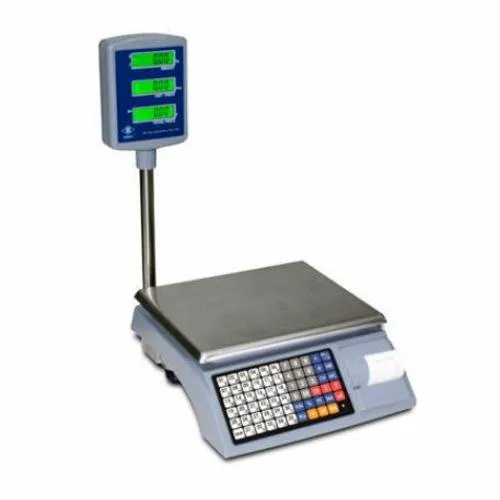
Building a Preventive Maintenance Schedule
The most reliable way to avoid unexpected downtime is to move from reactive repairs to a proactive maintenance schedule. A well-structured plan typically includes:
- Daily: Visual inspection, cleaning, and basic function checks by on-site staff.
- Monthly: More thorough inspection of load cells, cabling, and structural components.
- Quarterly or semi-annually: Professional inspection and preventive service, especially for high-use or high-volume scales.
- Annually: Full calibration verification and comprehensive service review.
Facilities that rely heavily on their weighing equipment — distribution centers, manufacturing plants, recycling and waste facilities, agricultural operations — often benefit from a formal service agreement with a trusted scale repair service, ensuring equipment is inspected on a consistent schedule rather than only after something goes wrong.
The Real Cost of Deferred Maintenance
It’s tempting to view scale maintenance as an optional expense, especially when equipment appears to be working fine. But deferred maintenance almost always costs more in the long run:
- Unplanned downtime halts operations and creates bottlenecks across the entire workflow.
- Inaccurate readings can lead to billing disputes, regulatory noncompliance, or product quality issues.
- Emergency repairs are typically more expensive and harder to schedule than planned preventive service.
- Shortened equipment lifespan means earlier, more expensive full replacements.
A relatively small investment in routine maintenance and professional inspection consistently pays for itself by avoiding these larger, less predictable costs.
Final Thoughts
Your scale equipment works hard, often in demanding conditions, and it deserves a maintenance routine that matches that workload. Daily inspections and good operating habits will catch a lot of small issues before they become big ones — but nothing replaces the expertise of a qualified professional when it comes to diagnosing wear, repairing components, and verifying that your equipment is performing accurately.
If your scale is showing warning signs, overdue for inspection, or you simply want to put a preventive maintenance plan in place, our team is ready to help. As an experienced industrial scale repair company, we provide thorough diagnostics, expert repairs, and ongoing scale repair service plans designed to keep your equipment accurate, reliable, and running with minimal downtime.
Noticing inconsistent readings or unusual behavior from your scale? Don’t wait for a full breakdown — reach out to our repair specialists today to schedule an inspection.
Frequently Asked Questions
Most facilities benefit from professional inspection and preventive service every quarter or six months, with a full calibration verification annually. High-volume or heavily used scales may need more frequent attention.
Moisture intrusion into load cells, physical damage from overloading or impact, dust and debris buildup, and electrical issues from power surges or humidity are among the most common causes of scale malfunctions.
Basic cleaning and visual inspection are fine for in-house staff, but diagnosing and repairing load cells, electronic indicators, or structural components requires specialized tools and expertise. DIY repairs on these components can introduce new inaccuracies or safety hazards.
Signs like error codes, physical damage, instability, or slow response time point to a repair need, while gradual, consistent drift in readings on an otherwise functioning scale usually points to a calibration issue. A professional inspection can identify which applies.
Look for a provider with experience across multiple scale brands and types, the ability to diagnose root causes rather than just symptoms, documented repair records, and post-repair accuracy verification.