
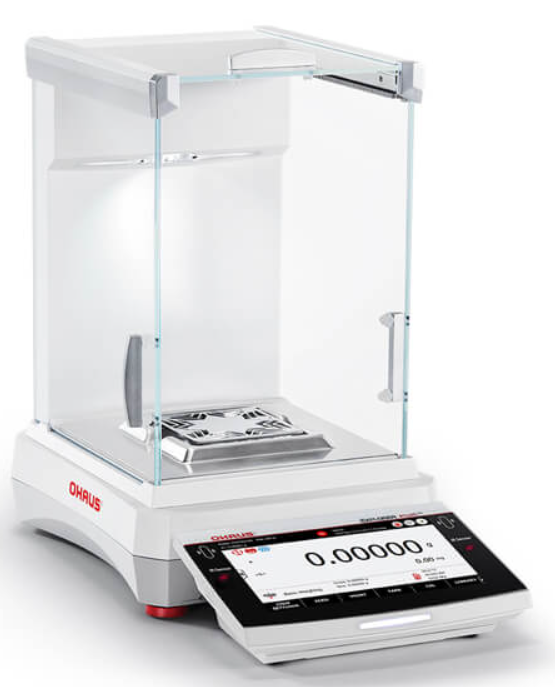
Analytical balances are among the most sensitive instruments in any laboratory, pharmacy, or quality control environment. Designed to measure down to fractions of a milligram, these instruments don’t tolerate sloppy handling, environmental instability, or inconsistent maintenance. A single speck of dust, a slight draft, or a poorly leveled bench can throw off readings enough to compromise an entire batch of results.
If your lab depends on precise, repeatable measurements — and most do — understanding how to properly care for your analytical balance isn’t optional. It’s foundational to data integrity, regulatory compliance, and the credibility of everything that measurement touches downstream. This guide covers the daily habits, environmental factors, and professional service practices that keep analytical balances performing at their best.
Why Analytical Balance Care Matters More Than You Think
Unlike a standard industrial platform scale, an analytical balance is engineered to detect incredibly small mass differences — often to 0.1 mg or better. That level of sensitivity means the instrument is also incredibly sensitive to everything else around it: air currents, static electricity, vibration, temperature fluctuations, and even the oils on your fingertips.
Poor balance care doesn’t usually show up as an obvious malfunction. Instead, it shows up as drift — small, creeping inaccuracies that erode data quality over time without triggering any alarm. In regulated industries like pharmaceuticals, food science, and materials testing, that kind of undetected drift can mean failed audits, recalled products, or invalidated research.
Daily and Weekly Care Practices
1. Keep the Environment Stable
Analytical balances should be placed on a dedicated, vibration-dampened bench, away from doors, HVAC vents, windows, and high-traffic walkways. Even foot traffic a few feet away can introduce enough vibration to affect a reading. Ideally, the balance should sit on an anti-vibration table in a room with stable temperature and humidity.
2. Level the Balance Before Every Use
Most analytical balances include a built-in bubble level. Before taking any measurement, confirm the balance is level — an unlevel balance introduces systematic error into every single reading, even if the instrument itself is functioning perfectly.
3. Clean the Weighing Chamber Regularly
Dust, spilled reagents, and residue inside the draft shield or weighing chamber can affect both accuracy and the mechanical integrity of the balance over time. Use a soft, lint-free brush or a manufacturer-approved cleaning cloth — never compressed air directed at the internal mechanism, and never solvents that could damage the housing or internal components.
4. Handle Samples and Weights with Care
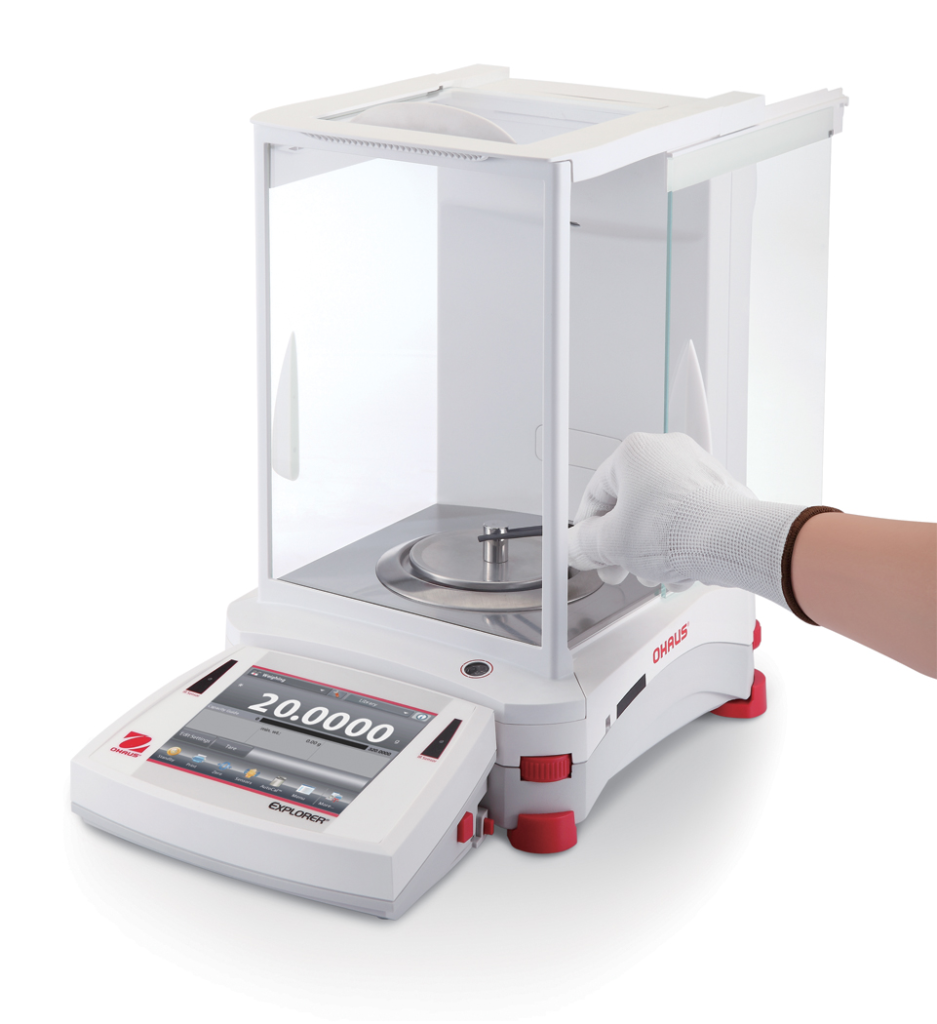
Always use tweezers, forceps, or gloves when placing calibration weights or sensitive samples on the pan. Skin oils and moisture from bare hands can alter the mass of small reference weights over repeated handling, introducing error into your calibration checks before you even realize it.
5. Control Static Electricity
Static charge is one of the most overlooked sources of analytical balance error, especially in dry environments or when working with plastic weighing containers. Ionizing units or anti-static mats near the balance can significantly reduce static-related reading fluctuations.
Routine Performance Checks Between Calibrations
Daily Function Checks
Before starting critical work, many labs run a quick internal check using a known reference weight to confirm the balance is reading within expected tolerance. This isn’t a substitute for formal calibration, but it’s an easy way to catch a problem early.
Repeatability Testing
Weighing the same object multiple times in a row should produce nearly identical results. If you’re seeing inconsistent readings on repeat weighments, that’s a strong signal something — the environment, the balance itself, or its internal calibration — needs attention.
Eccentricity Testing
Placing a weight in different positions on the pan (center, each corner) should still produce consistent readings. Significant variation by position can indicate a mechanical issue or a balance that’s due for professional service.
Why Professional Calibration Is Still Essential
Daily habits and internal checks help maintain day-to-day confidence in your balance, but they don’t replace formal, traceable calibration. Analytical balances require periodic calibration by a qualified technician using certified reference weights traceable to national standards — this is especially true in regulated industries where documentation and traceability are required for audits, accreditation, or FDA/GMP compliance.
Professional scale calibration services go beyond a simple weight check. A qualified technician evaluates linearity across the balance’s full measurement range, checks repeatability and eccentricity under controlled conditions, inspects the internal mechanism for wear or contamination, and issues a certificate of calibration with full traceability documentation.
Our team performs ISO 17025-accredited scale calibration for analytical balances, giving your lab the documented accuracy and traceability required to pass audits, maintain accreditation, and trust every result that comes off the instrument. Most labs schedule this service annually at minimum, though high-use or highly regulated environments often calibrate semi-annually or quarterly.
Signs Your Balance Needs Calibration Sooner Than Scheduled
- Readings drift noticeably between measurements of the same object
- The balance was recently moved, bumped, or relocated
- Environmental conditions in the lab changed significantly (new HVAC system, renovation, etc.)
- Results are inconsistent with expectations or with a second instrument
- It’s simply been longer than 12 months since the last documented calibration
Beyond the Balance: Supporting Instruments That Matter
Analytical balance care doesn’t happen in isolation — many labs and facilities also rely on other precision counting and weighing instruments as part of their daily workflow, particularly for inventory, parts counting, and quality control processes. If your operation also handles high-volume piece counting alongside analytical weighing, investing in the right equipment matters just as much as maintaining what you already have.
For operations that need fast, accurate counting alongside precision weighing, it’s worth exploring our best counting scales — built for speed and accuracy in inventory, parts counting, and production environments where every unit matters.
Building a Long-Term Care Routine
The most successful labs treat balance care as a system, not a one-time task. That means:
- Daily: Environmental checks, leveling, and a quick reference weight verification.
- Weekly: Chamber cleaning and inspection for dust, residue, or wear.
- Monthly: Repeatability and eccentricity spot checks, documented for internal records.
- Annually (or per regulatory requirement): Full professional calibration with certified, traceable documentation.
Pairing consistent daily habits with dependable professional calibration is the single most effective way to protect the integrity of your data — and by extension, the integrity of every decision, product, or result that data supports.
Final Thoughts
An analytical balance is only as trustworthy as the care it receives. Small, consistent habits — a stable environment, careful handling, regular cleaning — go a long way toward preserving accuracy day to day. But no amount of careful handling replaces the traceability and precision of professional, accredited calibration.
If it’s been a while since your balance was last calibrated, or if you’re noticing inconsistent readings, our team offers ISO 17025 scale calibration services designed specifically for the demands of analytical and precision instruments. And if your lab or facility also relies on counting equipment, take a look at our counting scale product line to see how the right equipment can streamline your day-to-day accuracy right alongside your analytical balance.
Not sure when your balance was last calibrated, or want a professional to assess your current setup? Reach out to our calibration specialists — we’re happy to help you build a maintenance routine that fits your lab’s specific needs.
Frequently Asked Questions
Most labs calibrate analytical balances at least once a year, but high-use or highly regulated environments — such as pharmaceutical or GMP facilities — often require semi-annual or quarterly calibration to maintain accreditation and compliance.
Inconsistent readings are usually caused by environmental factors like drafts, vibration, static electricity, or an unlevel bench — or they can signal that the balance is due for professional calibration.
No. Skin oils and moisture can alter the mass of reference weights over repeated handling. Always use tweezers, forceps, or gloves when handling calibration weights or sensitive samples.
A daily function check using a known reference weight confirms the balance is reading roughly within tolerance, but it isn’t a substitute for formal, traceable calibration performed by a qualified technician using certified reference standards.
If your lab is subject to audits, accreditation requirements, or regulatory standards like FDA or GMP guidelines, ISO 17025-accredited calibration provides the documented traceability needed to pass inspections and maintain data integrity.