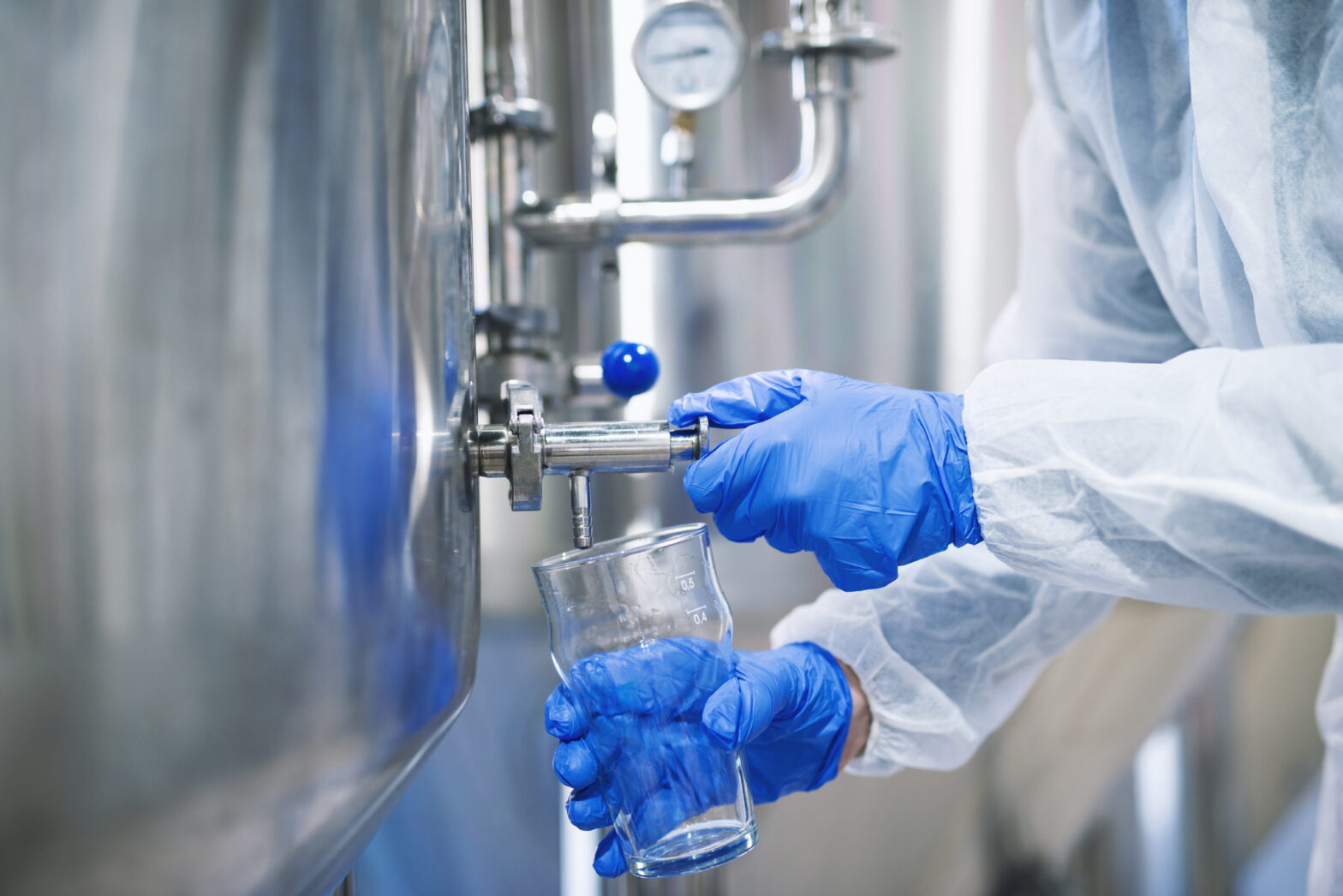
Water treatment relies on precise chemical dosing to ensure water quality, safety, and regulatory compliance. Even small measurement errors can lead to ineffective treatment, equipment issues, or unnecessary chemical waste. Industrial weighing systems play a critical role in accurately measuring treatment chemicals, helping facilities maintain consistent dosing and efficient operations.
This article explores how industrial chemical scales support water treatment processes, the types of weighing equipment commonly used, and why regular calibration and maintenance are essential for reliable
The Role of Accurate Weighing in Water Treatment
Water treatment facilities use a range of chemicals to neutralise contaminants, adjust pH levels, disinfect water, and remove suspended solids. In applications requiring precise dosing, analytical balance calibration helps ensure accurate chemical measurements. Common examples include:
- Chlorine and chloramine compounds for disinfection
- Aluminium sulphate and ferric chloride as coagulants
- Sodium hydroxide and sulphuric acid for pH adjustment
- Sodium hypochlorite for secondary disinfection
- Activated carbon for taste, odour, and organic compound removal
- Polymer flocculants for solids separation
Each water treatment chemical must be dosed accurately to ensure effective treatment. Industrial weighing systems help maintain consistency, reducing the risk of water quality issues, higher costs, and equipment damage.
Types of Industrial Scales Used in Water Treatment
Different weighing applications within a water treatment facility call for different types of equipment. Understanding which scale type fits which task is part of running an efficient and compliant operation.
Floor Scales for Bulk Chemical Drums and Totes
Industrial floor weighing scales are among the most commonly used weighing tools in water treatment chemical management. Bulk chemicals are typically delivered in drums, intermediate bulk containers, or totes that need to be weighed on receipt, during use, and at disposal.
Key uses of industrial floor scales in this context include:
- Verifying delivered quantities against purchase orders on receipt
- Monitoring chemical consumption rates over a treatment cycle
- Tracking remaining stock levels to trigger reorder points
- Weighing waste chemical containers before disposal to meet regulatory documentation requirements
Industrial floor scales used in water treatment should be durable, corrosion-resistant, and capable of maintaining accuracy over time. Regular calibration and reliable service support help ensure consistent performance and compliance.
Drum Scales and Platform Scales
Drum scales and platform scales serve a similar function to floor scales but are specifically configured for cylindrical containers and standard pallet-sized loads. In water treatment settings, these are commonly used for:
- Sodium hypochlorite drums in disinfection dosing areas
- Acid and caustic drums in pH correction systems
- Polymer solution containers in flocculation stages
These scales are often positioned directly beside dosing pumps so that operators can monitor draw-down in real time, confirming that the dosing rate matches the target without needing to rely solely on flow meter readings.
Hopper and Vessel Scales
Some water treatment facilities use dry chemical dosing systems, where chemicals are stored in hoppers mounted on load cells. By monitoring weight loss over time, operators can accurately track the amount of chemical dispensed.
This approach, known as loss-in-weight dosing, offers a high level of dosing accuracy and is increasingly used in modern treatment plants. The load cells feeding this system require:
- Regular industrial scale calibration to maintain dosing precision
- Periodic inspection by certified scale technicians for factories to check for drift or mechanical wear
- Calibration documentation compatible with manufacturing scale calibration services standards
Why Scale Calibration Is Critical in Water Treatment
In water treatment, inaccurate scale readings can create compliance and operational risks. Because chemical usage and dosing records are closely monitored, weighing equipment must be properly calibrated to ensure accurate documentation and reliable treatment processes.
What Proper Calibration Involves
Scale calibration in a water treatment context involves more than simply placing a test weight on a platform and checking the reading. It includes:
- Zero balance verification before any loaded test
- Span calibration using certified test weights traceable to national standards
- Linearity checks across the working range of the scale
- Documentation of results against the scale’s specified tolerance
- Calibration certificate issued by a qualified technician
For facilities with strict compliance requirements, ISO 17025 accredited calibration provides traceable and reliable results. Whether through ISO 17025 scale calibration in Madison or other accredited programmes, working with qualified calibration providers helps ensure weighing records meet regulatory, audit, and quality assurance standards.
How Often Should Water Treatment Scales Be Calibrated?
The appropriate calibration frequency depends on several factors:
- How frequently the scale is used
- Whether the scale is in a corrosive or high-humidity environment
- The dosing tolerance required by the treatment process
- Any regulatory requirements specific to the facility’s operating permits
As a general guide, most water treatment scales benefit from calibration at least twice per year, with additional checks following any mechanical impact, repair, or relocation of the equipment.
Scale Maintenance and Repair in Chemical Environments
Chemical environments are hard on weighing equipment. Moisture, vapour, and incidental chemical contact can accelerate wear on load cells, cables, and indicator components. A maintenance programme that addresses these risks proactively reduces the likelihood of unexpected failures.
Common Maintenance Requirements
Regular maintenance for water treatment facility scales typically covers:
- Load cell inspection for signs of corrosion, cable damage, or mechanical deformation
- Platform and frame cleaning to remove chemical residue that can affect load distribution
- Cable and connector checks to identify moisture ingress before it causes cell failure
- Indicator and display testing to confirm accurate signal processing from the load cell
- Overload protection review to ensure the scale has not been subjected to loads beyond its rated capacity
When Repair Is Needed
Even well-maintained scales will eventually require repair. Common repair triggers in water treatment environments include:
- Load cell failure due to chemical exposure or overload
- Cable damage from forklift or handling equipment contact
- Indicator failure due to moisture ingress in the electronics
- Platform damage from heavy drum drops or mechanical impact
Having access to a reliable industrial scale repair provider is important in chemical handling environments. Fast repair and maintenance services help minimise downtime and keep critical water treatment operations running efficiently.
Comparison: Scale Types Used in Water Treatment Chemical Management
| Scale Type | Typical Application | Capacity Range | Key Feature | Calibration Frequency |
|---|---|---|---|---|
| Industrial floor scale | Drum and tote receipt, stock monitoring | 500 kg to 5,000 kg | Corrosion-resistant platform | Biannual minimum |
| Drum scale | Dosing area monitoring, draw-down tracking | 250 kg to 1,000 kg | Low profile for drum handling | Biannual minimum |
| Platform scale | Pallet and IBC weighing | 1,000 kg to 3,000 kg | Forklift-accessible design | Biannual minimum |
| Hopper or vessel scale | Loss-in-weight dry chemical dosing | Varies by vessel size | Continuous weight output | Quarterly recommended |
| Bench scale | Small volume chemical preparation | 1 kg to 50 kg | High resolution for small quantities | Annual to biannual |
Planning for Scale Downtime: The Case for Rental
Water treatment operations run continuously, so equipment downtime must be carefully managed. Industrial scale rental provides a practical temporary solution, helping facilities maintain accurate chemical dosing and uninterrupted operations while scales are being repaired or recalibrated.
Options for facilities across the Midwest include:
- Scale rental services Wisconsin for facilities across the state
- Scale rental Illinois for plants in the Chicago metro area and beyond
- Scale rental Milwaukee WI and scale rental Chicago IL for urban industrial facilities needing fast turnaround
Rental units from a reputable industrial scale company are typically pre-calibrated and ready for immediate use, helping maintain continuous operations. For expert advice on industrial scales, calibration, maintenance, or repairs, visit our local office for professional guidance.
Conclusion
Accurate chemical dosing is vital in water treatment, and industrial weighing systems ensure consistent and precise measurement. From floor scales to loss-in-weight systems, they help maintain efficiency, compliance, and reliable chemical use.
Regular calibration, maintenance, and timely repairs are also essential to prevent errors and downtime. Well-maintained systems reduce waste and support safe, high-quality water output.
For expert guidance on industrial weighing systems, calibration, maintenance, or repair services for water treatment applications, contact us today or visit our local office for professional support.
Frequently Asked Questions
What type of floor scale is best for a water treatment environment?
Stainless steel or corrosion-resistant coated floor scales with suitable load capacity and easy calibration are best for durability and accuracy.
How does loss-in-weight dosing work with industrial scales?
It measures weight reduction from a tank or hopper in real time to calculate precise chemical dosing rates as material is used.
What is ISO 17025 calibration and why does it matter for water treatment?
It ensures calibration is traceable to international standards, providing highly reliable measurements required for compliance and audits.
What should I do if a critical scale fails during a treatment cycle?
Contact an emergency industrial scale repair service immediately and use a rental scale if needed to avoid operational downtime.
How can I find a reliable scale calibration service for my water treatment facility?
Choose providers with ISO 17025 accreditation, industrial experience, and regional support for both scheduled and emergency calibration needs.