
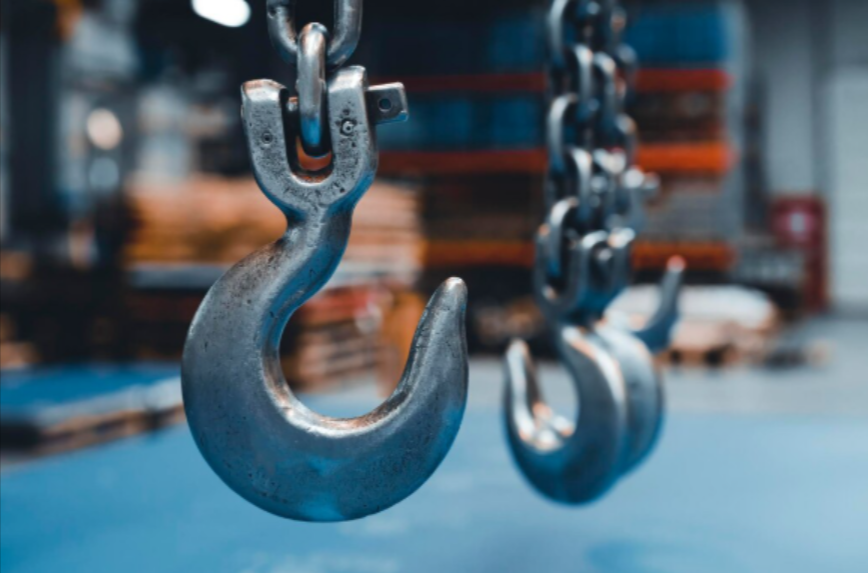
Many industrial facilities still use older overhead cranes that are mechanically reliable but equipped with outdated weighing systems. Retrofitting these cranes with modern scale equipment is a cost-effective way to improve accuracy, safety, compliance, and data integration without the expense of replacing the entire crane system.
This article explores the benefits of crane scale retrofitting, the upgrade process, and the key factors businesses should consider when modernising their overhead weighing systems.
What Is Crane Scale Retrofitting?
Retrofitting involves upgrading the weighing components of an existing overhead crane while keeping the crane structure in place. This improves weighing accuracy and performance without the cost of replacing the entire system. During the upgrade, some facilities may use industrial scale rental solutions to maintain operations. Modern retrofits replace these with:
- Digital load cells with high-resolution output
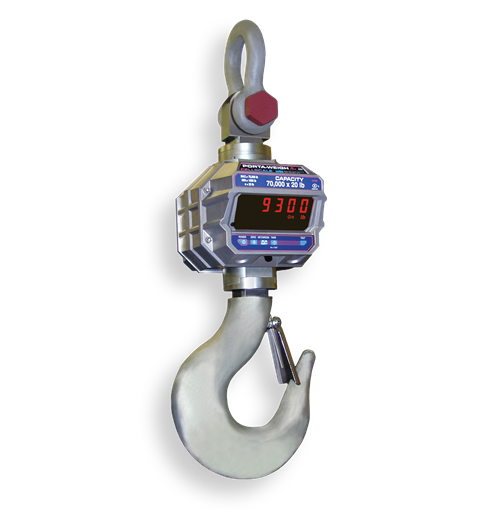
- Wireless or hardwired crane scale indicators
- Load monitoring displays visible to operators on the floor
- Data output interfaces that connect to production management systems
- Overload protection systems that trigger alerts before safe working limits are exceeded
The result is a crane that retains its structural integrity and lifting capacity while gaining measurement capabilities that were simply not available when it was originally built.
Why Businesses Are Making the Switch
There are several practical reasons why facilities are choosing to retrofit rather than replace, and the decision goes beyond cost savings alone.
1. Accuracy Requirements Have Increased
Industries that handle raw materials, finished goods, or regulated products often require higher weighing accuracy than in the past. Modern digital load cells used in industrial manufacturing scales provide greater accuracy, consistency, and compatibility with scale calibration programmes, helping improve efficiency, traceability, and compliance.
2. Safety Standards Have Evolved
Workplace safety expectations around overhead lifting have changed considerably. Older crane scales often lacked the ability to alert operators when a load was approaching or exceeding rated capacity. Modern systems include:
- Real-time overload warnings visible on the floor display
- Audible alerts when safe working load thresholds are approached
- Automatic data logging of load events for incident review
- Tamper-evident calibration seals compatible with certified scale technicians for factories
The ability to monitor load in real time reduces the risk of overloading, which is one of the leading causes of crane-related incidents in industrial environments.
3. Data Integration Has Become a Practical Need
Modern production environments rely on connected data systems, and upgraded crane scales can integrate directly with inventory, reporting, and quality control processes. Unlike older analogue systems that required manual record-keeping, modern retrofitted solutions provide digital data capture, improving accuracy, efficiency, and traceability.
4. Calibration and Compliance Are Easier to Manage
For facilities operating under ISO 17025 and other regulated frameworks, documented calibration is essential. Modern crane scale systems support industrial scale calibration procedures, provide traceable records, and simplify maintenance. This is particularly important in sectors requiring ISO 17025 aerospace calibration, pharmaceutical compliance, and other accuracy-critical applications.
The Retrofit Process: What to Expect
Understanding what a crane scale retrofit involves helps set realistic expectations around planning, downtime, and budget.
Step 1: Assessment of Existing Equipment
A qualified industrial scale repair company will assess the current crane configuration, load cell type, indicator system, and wiring before recommending a retrofit solution. This includes:
- Identifying the existing load cell capacity and mounting arrangement
- Reviewing the current indicator and display setup
- Checking for any structural or mechanical issues that could affect weighing accuracy
- Confirming the crane’s rated working load to ensure new components are correctly matched
Step 2: Component Selection
Based on the assessment, the service provider will recommend replacement components. This typically includes:
- A new digital load cell or load pin matched to the crane’s capacity
- A crane scale indicator suited to the operating environment
- Mounting hardware compatible with the existing crane structure
- Optional wireless transmitter for remote display or data output
- Overload protection relay if not already present
Step 3: Installation and Commissioning
Installation is carried out with the crane taken out of service for the duration of the work. For most standard overhead crane configurations, this process takes between one and two days depending on the complexity of the existing setup.
Once installed, the system is commissioned and tested under load before being returned to service. This includes:
- Zero balance verification
- Span calibration using certified test weights
- Functional testing of overload alerts and data outputs
- Documentation of calibration results for compliance records
Step 4: Ongoing Calibration and Maintenance
Following installation, the retrofit system enters a regular maintenance cycle. This includes:
- Annual or biannual scale calibration services depending on use frequency and compliance requirements
- Periodic inspection of load cell connections, cable integrity, and indicator function
- Recalibration following any incident involving overload or mechanical impact
- Documented calibration records maintained by the service provider
For facilities in Wisconsin and Illinois, access to scale calibration services in Wisconsin or scale calibration services in Illinois from a provider with crane scale experience is an important consideration when planning a retrofit programme.
Retrofit vs Full Replacement: A Practical Comparison
| Factor | Retrofit | Full Replacement |
|---|---|---|
| Upfront cost | Significantly lower | High |
| Downtime required | One to two days typically | Weeks to months |
| Structural disruption | Minimal | Significant |
| Accuracy improvement | High | High |
| Data integration capability | Yes, with modern components | Yes |
| Compliance compatibility | Yes, ISO 17025 compatible | Yes |
| Useful life extension | Five to fifteen years | New lifespan from installation |
| Suitable when crane is structurally sound | Yes | Not necessary |
| Recommended when crane has structural issues | No | Yes |
What to Look for in a Retrofit Service Partner
Choosing the right service partner for a crane scale retrofit is as important as choosing the right components. The following criteria are worth evaluating:
- Experience with overhead and crane-mounted weighing systems, not just floor or bench scale applications
- Certified scale technicians with documented training and relevant accreditations
- ISO 17025 calibration capability to ensure post-retrofit calibration meets compliance requirements
- Regional service coverage so that ongoing calibration and emergency scale repair are accessible without long lead times
- Ability to supply industrial scale rental as a temporary solution during retrofit downtime if the crane is critical to daily operations
- Documented service history provided after each visit, compatible with internal audit and quality management requirements
For facilities in the Midwest, working with an industrial scale company Milwaukee WI or an industrial scale company Chicago IL that has direct crane scale retrofit experience reduces both risk and coordination complexity.
Industries That Benefit Most from Crane Scale Retrofitting
While the benefits of retrofitting apply broadly, certain industries see the most immediate return on investment:
- Manufacturing and fabrication where accurate material input tracking affects production costing and quality control
- Food processing where weighing at the point of lift supports food processing scale calibration compliance and batch traceability
- Pharmaceutical production where ISO 17025 pharmaceutical calibration requirements extend to all weighing points in the process
- Aerospace and defence where ISO 17025 aerospace calibration and defence industry scale calibration programmes require comprehensive equipment documentation
- Logistics and distribution where overhead cranes handle goods that require accurate weight capture for freight billing or compliance
- Recycling and scrap processing where continuous weighing of large loads demands durable, accurate measurement under difficult conditions
If you’re considering a crane scale retrofit or have questions about modern weighing solutions, visit our local office for professional guidance and expert support.
Conclusion
Retrofitting older overhead cranes with modern scale technology is a practical way to improve weighing accuracy, safety, compliance, and operational efficiency without the cost of full crane replacement. For many facilities, upgrading the weighing system delivers the benefits of modern technology while extending the value of existing equipment.
If you’re considering a crane scale retrofit or would like expert advice on upgrading your overhead weighing systems, contact us today to discuss the right solution for your facility.
Frequently Asked Questions
How long does a crane scale retrofit take?
Most standard retrofits are completed within one to two days, depending on the complexity of the installation.
Will the retrofitted system meet ISO 17025 calibration requirements?
Yes, when properly calibrated and documented by qualified technicians, retrofitted systems can support ISO 17025 compliance requirements.
How often does a crane scale need to be calibrated after retrofitting?
Most facilities calibrate crane scales annually, although some applications may require more frequent calibration.
What happens if the crane scale fails unexpectedly after retrofitting?
Many service providers offer emergency repairs and temporary rental solutions to minimise operational downtime.
Is crane scale retrofitting cost-effective compared to full crane replacement?
Yes. When the crane structure is in good condition, retrofitting is often a more affordable way to improve accuracy, safety, and compliance.