
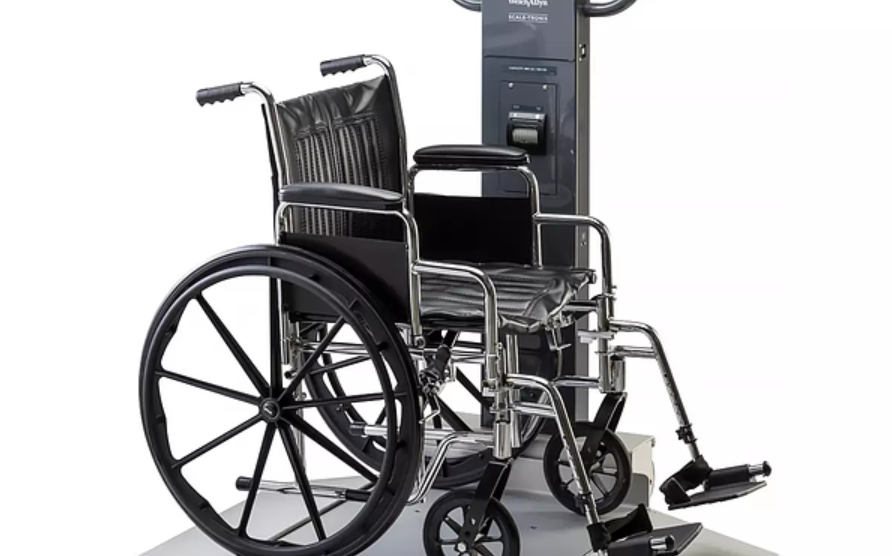
Accurate weight measurement is a cornerstone of effective medical care. Healthcare providers rely on weight data for everything from determining medication dosages to monitoring disease progression and evaluating treatment outcomes. Healthcare scales, including Cardinal Retail Scales, Rice Lake Retail Scales, and Tufner Livestock Scales, are specialized instruments designed to deliver precision, reliability, and patient safety in clinical settings.
Proper scale calibration services, combined with routine maintenance, ensure consistent accuracy, protect patients, and support compliance with regulatory standards. Facilities that invest in systematic scale management programs reduce errors and improve overall patient care.
Understanding Healthcare Scales
Healthcare scales are engineered for environments where measurement precision directly affects patient outcomes. Unlike consumer scales, medical scales undergo rigorous testing to meet strict accuracy standards.
Healthcare providers use scales for multiple purposes:
- Calculating BMI: Weight combined with height measurements helps assess health risks and prevent obesity-related conditions.
- Determining medication dosages: Precise weight-based dosing is critical in areas such as oncology, pediatrics, and nephrology.
- Monitoring disease progression: Weight trends indicate fluid retention, malnutrition, or sudden weight changes due to illness.
- Tracking pediatric growth: Accurate scales support growth chart monitoring and early detection of developmental issues.
- Assessing treatment effectiveness: Reliable weight data, whether collected using advanced medical scales or robust equipment like Tufner Livestock Scales, evaluates weight management programs, bariatric care, and cancer therapies.
Specialized instruments like Analytical Balances, Precision Balances, and Portable Balances are integral in labs, pharmacies, and research settings for precise measurements.
Why Calibration Is Critical
Calibration ensures that scales provide reliable readings. Even minor errors can have significant clinical consequences.
Patient Safety Connection
Inaccurate weight readings have contributed to medication errors and adverse patient outcomes. For instance:
- Over- or underdosing due to uncalibrated scales can be dangerous, especially for children or critical-care patients.
- Daily weight monitoring in ICUs and dialysis units relies on accurate scales for fluid management and treatment adjustments.
Professional scale calibration services or industrial scale calibration companies ensure the highest accuracy for patient safety.
Common Calibration Challenges
Factors affecting scale accuracy include:
- Mechanical Wear and Tear: Continuous use can degrade internal components, reducing precision.
- Environmental Factors: Temperature fluctuations, humidity, or nearby vibrations may introduce drift.
- Physical Impact: Frequent moving or accidental bumps may cause miscalibration without visible signs.
- Dead Load Effects: Older scale platforms can gradually alter sensitivity and effective weighing ranges.
The Calibration Process
A standardized scale calibration procedure ensures reliable results:
1. Initial Testing: Certified weights are placed on the scale to compare readings against known standards.
2. Adjustment: Mechanical adjustments, as used in Mechanical Scales, or electronic adjustments restore precision if measurements exceed tolerances.
3. Verification: Scales are retested across the full weighing range.
4. Documentation: Records include date, results, adjustments, and technician information for compliance.
Only NIST-certified weights ensure proper calibration. Consumer or gym weights are not suitable for medical or industrial precision.
Maintenance of Healthcare Scales
Routine maintenance is crucial to extend scale life and preserve accuracy.
Daily and Weekly Practices
- Cleaning: Power down before cleaning. Use damp cloths or approved disinfectants on platforms and external surfaces. Avoid harsh chemicals.
- Proper Placement: Position scales on flat, hard surfaces. Verify levelness with indicators and maintain clearance.
- Inspection: Check for loose components, battery life, structural damage, and display readability.
Monthly Procedures
- Verification Testing: Test with certified weights to confirm accuracy.
- Function Checks: Test tare, unit conversions, and EMR integration.
- Physical Inspection: Examine platforms, handrails, and load cells for wear.
- Zero Balance Verification: Confirm scales return to zero when empty.
Establishing a Calibration Schedule
Calibration frequency depends on:
- Usage Intensity: Continuous or high-weight use requires more frequent calibration.
- Application Requirements: Critical dosing or monitoring may require monthly checks.
- Environmental Conditions: Exposure to temperature extremes, vibration, or humidity may increase calibration needs.
- Manufacturer Recommendations: Follow baseline guidelines and adjust based on usage.
Quarterly or semi-annual calibration is standard, with critical scales checked more frequently.
Types of Healthcare and Industrial Scales
Healthcare facilities utilize various scale types depending on patient population and clinical requirements. Industrial and commercial scales, including Precision Balances, often complement medical scales, especially in labs, shipping, or livestock operations.
Comparing Scale Technologies
| Feature | Mechanical Scales | Digital Scales | Advanced Digital Scales |
|---|---|---|---|
| Display | Sliding beam | LCD/LED | Touchscreen with graphics |
| Accuracy | ±0.25 lb | ±0.1 lb | ±0.05 lb |
| Calibration | Quarterly | Quarterly | Semi-annual |
| Power | None | Battery/AC | Battery with backup |
| EMR Integration | Manual | Some models | Standard |
| BMI Calculation | Manual | Some | Automatic |
| Height Measurement | Manual rod | Electronic rod | Automated |
| Maintenance | Low | Moderate | Moderate–High |
| Cost | Lower | Moderate | Higher |
| Best Applications | Basic weighing | General medical | High-volume practices |
Importance of Patient Care
Accurate weight measurement impacts multiple aspects of healthcare:
- Medication Safety and Dosing: Ensures safe chemotherapy, anesthesia, and pediatric dosing.
- Health Monitoring: Early detection of fluid retention, heart failure, kidney disease, or malnutrition.
- Treatment Effectiveness: Tracks weight loss programs, bariatric therapy, and cancer treatment progress.
- Nutrition Management: Post-surgery, pregnancy, and elderly patient monitoring rely on accurate weight data.
- Diagnostics: Supports BMI calculation, growth charts, imaging, and EMR records.
For more information about our healthcare scales, scale calibration services, or industrial scale repair, contact us today to ensure accurate and reliable weight data for your facility.
Scale Management Programs
Documentation: Maintain detailed logs of calibrations, repairs, inspections, and technician information.
Staff Training: Educate staff on proper usage, patient positioning, tare functions, and troubleshooting.
Quality Assurance: Daily verification with test weights ensures ongoing accuracy. Failed checks trigger repair or calibration protocols.
Regulatory Compliance: Use NIST-traceable weights, obtain Legal for Trade Certification when applicable, and maintain accreditation documentation.
Industrial & Commercial Considerations
Facilities may integrate industrial and shipping scales alongside medical scales:
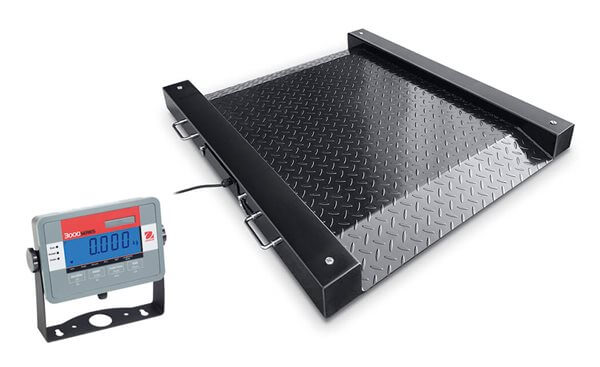
- Industrial Floor Scales: Salter Brecknell, Tufner, Rice Lake, and Ohaus platforms.
- Bench and Platform Scales: Useful for labs, warehouses, and shipping.
- Livestock Scales: Cardinal, Rice Lake, and Tufner scales.
- Scale Rentals & Repairs: Industrial scale rental, scales for rent near me, weighing scale for rent, weight scale rental. Professional repair services include industrial scale repair, scale repair service Wisconsin/Illinois, industrial scale repair company Illinois, and weighing scale repair Wisconsin/Illinois.
Frequently Asked Questions
1. How often should healthcare scales be calibrated?
Quarterly or semi-annually, with monthly checks for critical-use or high-volume scales.
2. What are signs a scale needs calibration?
Inconsistent readings, failure to zero, sudden jumps, or post-move/environmental exposure.
3. Can facilities calibrate scales in-house?
Yes, if using certified weights and trained personnel, but outsourcing to scale calibration companies is often more reliable.
4. Difference between verification and calibration:
Verification tests accuracy without adjustment; calibration includes adjustments to correct deviations.
5. Why are healthcare scales expensive?
They use precision load cells, rugged construction, antimicrobial surfaces, EMR integration, and specialized designs for different patients.
6. How long do scales last?
Well-maintained scales last 10–15 years; mechanical models may last longer.
Conclusion
Healthcare scales are critical for patient safety, accurate medication dosing, disease monitoring, and treatment assessment. By integrating proper scale calibration, routine maintenance, and professional repair services, facilities supported by trusted providers like Industrial Scale Inc can ensure precise weight measurements. From pediatric and bariatric care to industrial and livestock applications, accurate scales support optimal patient care, operational efficiency, and regulatory compliance.
Investing in systematic scale management, including industrial scale repair, scale calibration services, and scale rental options, provides long-term reliability, reduces errors, and ensures healthcare facilities deliver safe, efficient, and effective care.