
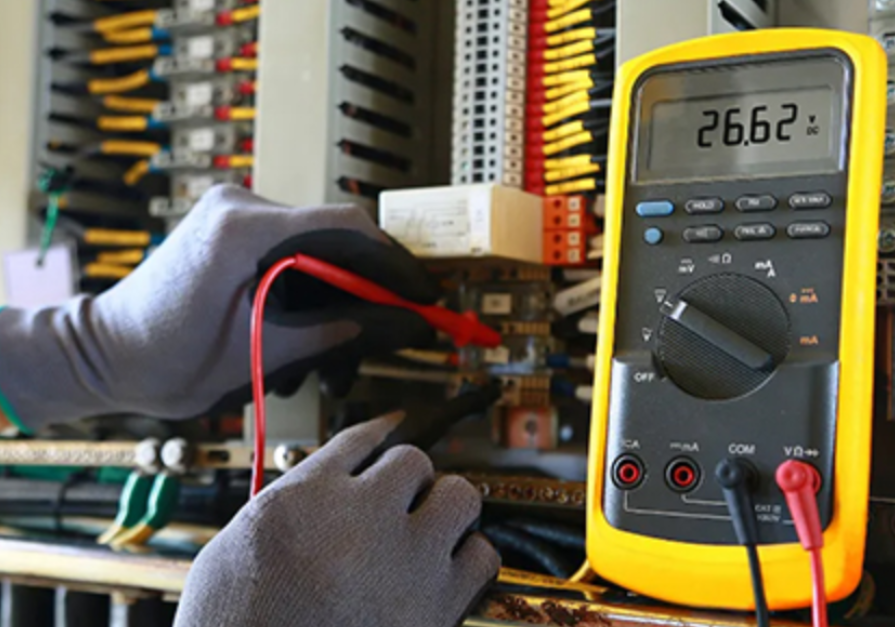
Accurate weight measurement is critical for efficient and cost-effective shipping operations, whether you’re running a small e-commerce store or managing a large-scale warehouse. Calibrated shipping scales ensure precise measurements, directly impacting shipping costs, customer satisfaction, and operational efficiency. Without proper calibration, businesses risk overpaying for postage, incurring carrier penalties, or facing shipment delays, all of which can erode profits. This article explores the importance of scale calibration services, the role of scale repair services, and how investing in industrial floor scales, counting scales, or industrial scale rental can save money. By understanding the value of weighing scale repair and calibration, businesses can optimize their shipping processes and secure long-term financial benefits.
The Importance of Scale Calibration in Shipping
Understanding Scale Calibration
Scale calibration is the process of adjusting a weighing scale to ensure its measurements align with a known standard weight. This involves testing the scale with certified weights and adjusting to correct any discrepancies. For shipping scales, calibration is essential because even small inaccuracies can lead to significant financial consequences. Whether you’re using a portable postal scale or an industrial floor weighing scale, regular calibration ensures your measurements are reliable and consistent.
Why Calibration Saves Money
In shipping, weight determines postage costs. Overestimating a package’s weight means paying more than necessary, while underestimating can result in carrier penalties or returned shipments. Calibrated shipping scales eliminate these risks by providing accurate measurements, ensuring businesses pay only for the actual weight of their packages. For high-volume shippers, such as e-commerce businesses or logistics companies, even a fraction of an ounce in savings per shipment can add up to thousands of dollars annually. Weighing scale calibration services also help maintain compliance with industry standards, which is critical for businesses using industrial counting scales or floor scales in regulated environments.
Maintaining Compliance and Avoiding Penalties
Carriers like USPS, FedEx, and UPS have strict guidelines for package weights, and inaccuracies can lead to additional fees or delayed deliveries. Regular calibration by professional scale calibration companies ensures compliance with these standards, reducing the risk of costly penalties. For businesses operating in industries like manufacturing or pharmaceuticals, where precise measurements are critical, calibration also ensures adherence to regulatory requirements, avoiding legal or financial repercussions.
The Role of Scale Repair Services
Addressing Wear and Tear
Shipping scales, particularly industrial floor scales and counting scales, endure significant wear and tear in busy environments like warehouses and distribution centers. Heavy loads, frequent use, and exposure to dust or moisture can cause sensors to drift, displays to malfunction, or structural components to weaken. Scale repair services address these issues, restoring scales to full functionality. By investing in weighing scale repair, businesses can extend the lifespan of their equipment, avoiding the high cost of replacing scales prematurely.
Choosing a Reliable Industrial Scale Repair Company
Selecting a reputable industrial scale repair company is essential for quality service. Look for providers with certified technicians who specialize in repairing industrial floor weighing scales or counting scales. These companies often offer comprehensive services, including preventative maintenance, emergency repairs, and calibration, ensuring your scales remain accurate and operational. A reliable repair service minimizes downtime, which is critical for businesses with high shipping volumes or tight delivery schedules.
Preventative Maintenance for Long-Term Savings
Beyond repairs, preventative maintenance is key to keeping scales in optimal condition. Regular inspections by a professional scale repair service can identify potential issues before they escalate, such as worn parts or calibration drift. This proactive approach reduces the likelihood of unexpected breakdowns and ensures consistent accuracy, saving money on emergency repairs and shipping errors.
Benefits of Calibrated Shipping Scales
Reducing Postage Costs
The most direct financial benefit of calibrated shipping scales is reduced postage costs. Accurate weight measurements prevent overpayment on shipping fees, which can accumulate significantly for businesses with frequent shipments. For example, overestimating a package’s weight by just a few ounces can lead to hundreds or thousands of dollars in unnecessary expenses over time. Calibrated scales also help avoid carrier surcharges for underreported weights, which can include additional fees or the cost of returning shipments to the sender.
Streamlining Operations
Calibrated scales improve operational efficiency by reducing manual errors and speeding up the shipping process. Accurate measurements ensure smooth workflows, minimizing delays and errors in order fulfilment. This efficiency translates to lower labour costs and faster order fulfilment, enhancing overall productivity.
Enhancing Customer Satisfaction
For e-commerce businesses, where timely delivery and transparent pricing are critical for customer retention, accurate shipping scales ensure packages are shipped correctly and on time. Investing in weighing scale calibration services is a strategic decision that drives repeat business and positive reviews.
Types of Scales for Shipping Operations
Industrial Floor Scales
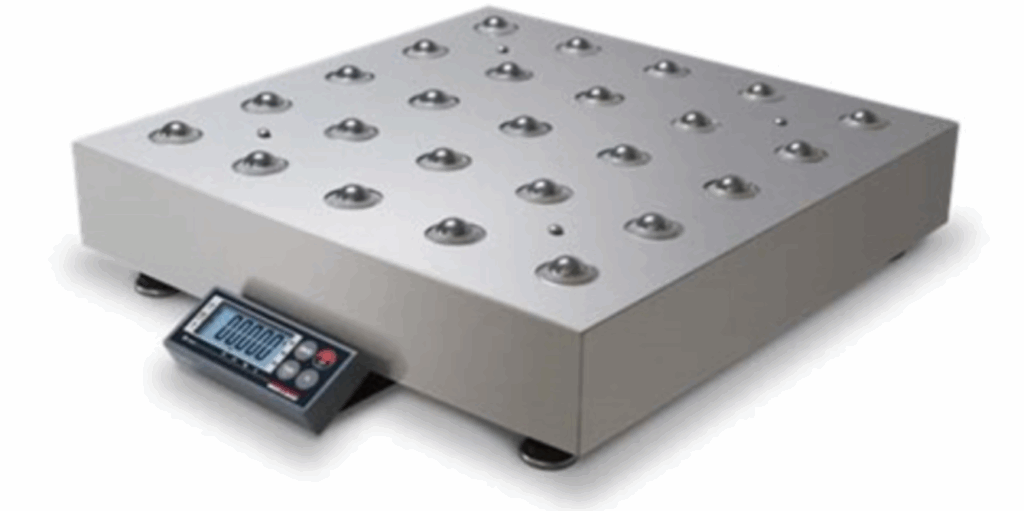
Industrial floor scales are designed for weighing large, heavy packages or pallets in warehouses, distribution centers, or manufacturing facilities. These scales offer high weight capacities, often up to 600 pounds or more, and are built to withstand demanding environments. The best industrial floor scales provide precise measurements, durable construction, and features like digital readouts and tare functions. Regular floor scale repair and calibration are essential to maintain accuracy, especially in high-volume shipping operations where even minor errors can lead to significant costs.
Industrial Counting Scales
Industrial counting scales are ideal for businesses that need to weigh and count multiple items, such as small parts or components. These scales offer high precision, making them valuable for e-commerce businesses, manufacturers, or retailers managing stock. Counting scales for sale often include advanced features like automatic calibration and memory functions for storing item weights. By ensuring accurate counts and weights, these scales reduce errors in order fulfilment, saving time and money.
Portable Postal Scales
For small businesses or home-based operations, portable digital postal scales are a cost-effective solution for weighing letters, small packages, or lightweight items. Brands like Rollo, Accuteck, and DYMO offer reliable models with features like tare functions and compact designs. These scales are easy to use and ensure accurate measurements for small but frequent shipments. Regular calibration prevents costly postage errors.
Industrial Scale Rental for Flexibility
When to opt for Scale Rental
Industrial scale rental is a practical solution for businesses with temporary or seasonal shipping needs. Renting scales allows access to high-quality equipment without the upfront cost of purchasing. This is ideal for startups, businesses scaling up during peak seasons like holidays, or those testing new shipping processes. Weight scale rental services often include maintenance and calibration, ensuring the equipment remains accurate and reliable throughout the rental period.
Advantages of Renting Scales
Renting industrial floor weighing scales or counting scales offers flexibility and cost savings. Businesses can select scales with the specific capacity and features needed for their operations without committing to long-term ownership. Rental services typically provide access to professional scale repair service and calibration, reducing the risk of downtime due to equipment issues. For businesses with fluctuating needs, renting provides a scalable solution that aligns with operational demands.
Choosing a Rental Provider
When selecting a rental provider, look for companies offering a range of scales, from portable postal scales to industrial floor scales, to match your specific needs. Ensure the provider includes calibration and maintenance in the rental agreement to avoid unexpected costs. Reputable providers also offer flexible rental terms, allowing businesses to rent scales for short-term projects or extended periods.
Maintaining Scale Accuracy Through Calibration
Calibration Frequency
The frequency of scale calibration depends on usage, environment, and manufacturer guidelines. High-use scales, such as industrial floor scales in busy warehouses, may require calibration every three to six months to maintain accuracy. Less frequently used scales, like portable postal scales, may need calibration annually. Regular checks with certified test weights can help identify when calibration is necessary, and professional scale calibration companies provide traceable certifications for compliance with industry standards.
Environmental Impacts on Scale Accuracy
Environmental factors like temperature fluctuations, humidity, and vibrations can affect scale performance. For example, scales in warehouses with heavy machinery may experience vibrations that cause measurement drift. Similarly, extreme temperatures or moisture can impact electronic components in digital scales. Advanced scales with self-calibration features can adjust to minor environmental changes, but professional calibration is still necessary to ensure long-term accuracy.
Working with Scale Calibration Companies
Professional scale calibration companies use certified weights and advanced tools to ensure precise adjustments. These services are particularly important for businesses using industrial counting scales or floor scales, where accuracy is critical for high-value shipments. Look for providers with experience in your industry, such as logistics or manufacturing, and verify that they offer traceable calibration certificates for regulatory compliance.
Choosing the Right Scale for Your Business
Key Features to Consider
When selecting shipping scales, prioritize the following features:
- Accuracy: Choose scales with high precision, such as 0.1-ounce increments for small packages or 0.1-pound increments for larger items.
- Weight Capacity: Ensure the scale can handle the maximum weight of your packages, from small envelopes to heavy pallets.
- Durability: opt for scales made from robust materials like stainless steel to withstand daily use in demanding environments.
- Ease of Calibration: Look for scales with user-friendly calibration processes or self-calibration features to maintain accuracy.
Top Brands for Shipping Scales
Reputable brands like Ohaus, Adam Equipment, and Brecknell offer high-quality industrial floor scales and counting scales designed for durability and precision. These brands provide advanced features like digital displays and robust construction, making them ideal for warehouses and manufacturing facilities. For smaller operations, brands like Rollo and Accuteck offer affordable, reliable postal scales with features tailored to e-commerce needs.
Frequently Asked Questions
1. Why is scale calibration critical for shipping businesses?
Calibration ensures accurate weight measurements, preventing overpayment on postage or carrier penalties for underreported weights, which saves money and maintains compliance.
2. How often should shipping scales be calibrated?
High-use industrial scales may need calibration every three to six months, while low-use postal scales may require annual calibration, depending on usage and environment.
3. What is the difference between scale repair and calibration?
Scale repair addresses mechanical or electronic issues, such as sensor failures, while calibration adjusts the scale to ensure accurate measurements against a standard weight.
4. When should I consider industrial scale rental?
Renting scales is ideal for temporary or seasonal needs, such as peak shipping periods, startups, or testing new processes, offering flexibility without the cost of ownership.
5. How do counting scales benefit e-commerce businesses?
Industrial counting scales provide accurate weight and count measurements, reducing errors in stock management and improving order fulfillment efficiency.
Conclusion
Calibrated shipping scales are a vital investment for businesses aiming to save money and enhance efficiency in their shipping operations. By ensuring accurate weight measurements, these scales prevent costly overpayments, carrier penalties, and shipment delays. Regular weighing scale calibration services and scale repair services maintain the accuracy and longevity of equipment, whether it’s industrial floor weighing scales, counting scales, or portable postal scales. For businesses with temporary needs, industrial scale rental offers a flexible, cost-effective solution. If you’d like to learn more about our shipping scale services or schedule a consultation, visit our Contact Us page.