
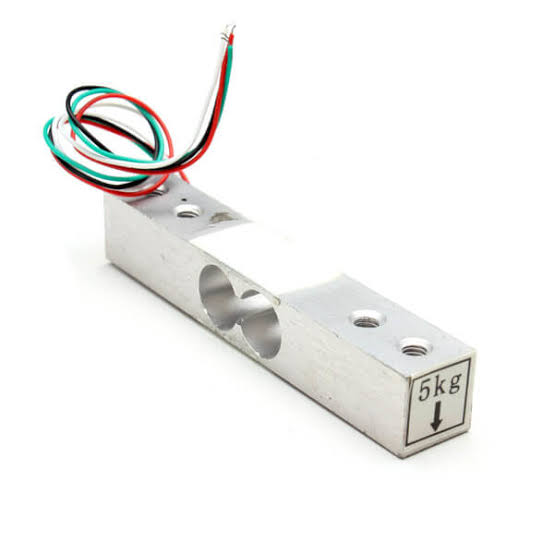
A load cell is the part of a scale that does the actual measuring. Everything else, the platform, the indicator, the cabling- exists to support it. When a load cell fails, accuracy fails with it.
In clean, dry settings, a standard load cell can run for years. Put that same load cell in a flooded pit, a washdown bay, or a wastewater tank, and the story changes quickly. Submersible load cells were created for exactly those situations. They are sealed to survive water exposure, and they are a common part of industrial scale repair work whenever moisture is the root cause of a problem.
This article covers what submersible load cells are, where they are used, how to tell when one is failing, and what to expect from the repair process.
What Is a Submersible Load Cell?
A load cell converts force, such as weight, into an electrical signal. Inside it, strain gauges bonded to a metal element flex slightly under load, and that flex changes their electrical resistance. The indicator reads this change and displays a weight.
A submersible load cell does the same job, but it is built so water cannot reach those delicate parts. Typical features include:
- Stainless steel bodies that resist corrosion
- Hermetic or welded sealing that blocks moisture at the source
- IP68 ratings, meaning the cell can be continuously submerged under specified conditions
- Specialized cable and strain relief, since the cable entry is a common leak point
The key distinction is between water resistant and submersible. Water resistant parts handle splashes. Submersible parts are designed to operate while underwater.
Why Standard Load Cells Fail in Wet Conditions
Most water-related failures follow a familiar pattern.
Moisture Gets Into the Cell or Cable
Even a small amount of moisture can change the electrical characteristics of the signal. The result is drift, unstable readings, or a scale that will not return to zero.
Corrosion Builds Slowly
Corrosion usually starts at connection points and cable entries. By the time the symptoms are obvious, damage may have spread through the wiring.
Washdown Damage
High-pressure hoses can force water past seals that were never designed for that pressure.
Any of these problems can lead to a repair call. In some cases, the best long-term fix is not simply replacing the failed part but switching to a submersible design.
Common Applications for Submersible Load Cells
These load cells show up anywhere weighing and water meet.
Tank and Vessel Weighing
Load cells installed under or on tanks measure contents by weight. When tanks sit outdoors or in washdown areas, sealed cells hold up much better.
Truck and Rail Scale Pits
Pit-mounted scales collect water from rain, snowmelt, and cleaning. Even with drainage, flooding can happen. Submersible load cells keep working through it.
Wastewater and Water Treatment
These facilities combine moisture, chemicals, and constant humidity. Sealed stainless cells are a common choice for weighing chemicals, sludge, or process equipment.
Food Processing and Washdown Areas
Daily sanitation routines expose scales to water and cleaning chemicals. Submersible or washdown-rated cells reduce downtime.
Marine and Dockside Equipment
Hoists, crane scales, and platform scales near water face constant exposure.
Dredging and Underwater Weighing
Some specialized jobs involve measuring loads while the equipment is actually below the surface.
Signs Your Load Cell May Need Repair or Replacement
Catching problems early can save money and avoid production delays. Watch for these warning signs.
- Weight drifts while nothing is on the scale
- The scale will not zero or returns to a different zero each time
- Readings vary when the same item is weighed repeatedly
- Corner-to-corner errors show up when testing a platform scale
- Intermittent readings that change when cables are touched or when weather changes
- Visible corrosion, damaged cable jackets, or water in a junction box
None of these automatically means the load cell is bad. Cables, junction boxes, indicators, and mechanical binding can cause similar symptoms. That is why proper diagnosis matters.
How Technicians Diagnose Load Cell Problems
A qualified technician will usually follow a logical process rather than guessing.
Visual and Mechanical Inspection
The first step is looking for obvious issues: debris under the platform, loose hardware, damaged cables, standing water, or binding that prevents the scale from moving freely.
Electrical Testing
Technicians measure input and output resistance, check the signal output, and test insulation resistance. Low insulation resistance is a classic sign that moisture has entered the system.
Isolating Individual Cells
On multi-cell scales, each load cell can be tested individually to identify which one is out of tolerance.
Checking the Junction Box and Cabling
Many “load cell failures” are really junction box or cable problems. Cleaning, drying, or replacing those parts can restore performance without replacing the cell.
This kind of methodical diagnosis is a core part of professional industrial scale repair, and it prevents unnecessary parts replacement.
Repair vs. Replace: Making the Right Call
Not every wet-related issue means a new load cell.
Repair or recondition when:
- The problem is isolated to a cable, connector, or junction box
- Moisture is limited and surfaces can be cleaned and sealed
- The load cell tests within specification
Replace when:
- Insulation resistance is consistently low
- The cell has visible physical damage or has been overloaded
- Corrosion has reached internal components
- The same location has repeated failures
If the environment is the real problem, upgrading to a submersible or hermetically sealed load cell is often the more economical choice over time.
Calibration After Repair Is Not Optional
Replacing a load cell changes how the system responds. After any repair, the scale should be adjusted and verified with certified test weights. This confirms that the scale reads accurately across its range and that every corner of a platform reports consistently.
Skipping this step can leave a scale that looks fixed but quietly gives inaccurate readings. If you use the scale for commercial transactions, the consequences can include financial loss and compliance problems. Many facilities pair repair with ongoing calibration and inspection schedules to catch issues early.
Tips to Extend the Life of Load Cells in Wet Environments
A few habits make a big difference.
- Keep pits and platforms clean and drained. Standing water shortens equipment life.
- Protect cables. Use conduit and proper strain relief in areas with traffic or pressure washing.
- Avoid direct high-pressure spray on load cells and junction boxes where possible.
- Inspect regularly. Look for cable damage, corrosion, and loose hardware.
- Do not exceed rated capacity. Shock loading and overloading cause hidden damage.
- Schedule preventive maintenance. Routine checks cost far less than emergency downtime.
Working With a Qualified Repair Provider
When a scale goes down, production, shipping, or billing often goes down with it. A provider with technical experience, proper test equipment, and traceable calibration standards can shorten that downtime considerably.
Industrial Scale Inc. offers scale repair and related services for industrial customers. If you are dealing with unstable readings, moisture damage, or a suspected failed load cell, you can review the details of their industrial scale repair service, or contact the team to describe the issue and schedule an evaluation.
Frequently Asked Questions
What is the difference between waterproof and submersible load cells?
Waterproof or water-resistant cells are designed to withstand splashes and washdown. Submersible cells are designed to operate while fully underwater, typically with an IP68 rating and sealed cable entry.
How long do submersible load cells last?
Lifespan depends on environment, load conditions, and maintenance. With proper installation and care, they can last many years, but overloads, cable damage, and chemical exposure can shorten that considerably.
Can a wet load cell be dried out and reused?
Sometimes, if moisture exposure was minor and no corrosion has occurred. If insulation resistance remains low after drying, replacement is usually the dependable option.
Why is my scale drifting after heavy rain or washdown?
Drift after moisture exposure often points to water in a junction box, cable, or load cell. A technician can test each component to find the source.
Do I need to recalibrate after replacing a load cell?
Yes. Any time a load cell or major component is replaced, the scale should be adjusted and checked with certified test weights.
Conclusion
Submersible load cells are built for the places where ordinary weighing equipment struggles most: pits, tanks, washdown zones, and waterside work. Understanding how they function, and recognizing early warning signs, helps you act before a minor issue becomes a shutdown. When something does go wrong, careful diagnosis, proper repair, and post-repair calibration are what restore confidence in your numbers. For help with a failing scale, explore professional industrial scale repair or get in touch with Industrial Scale Inc. today.