
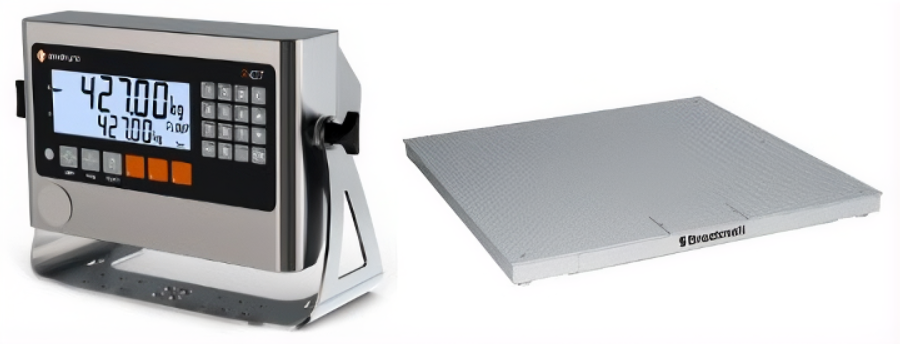
If your business depends on freight and pallet scales to move goods, manage inventory, or calculate shipping costs, you already know how disruptive it is when a scale goes down or starts giving unreliable readings. What you might not always consider is how much of that disruption could be prevented with consistent, routine maintenance.
Regular maintenance is not just about fixing things when they break. It is about keeping your equipment performing at its best every single day, reducing unexpected failures, staying compliant with industry standards, and protecting the accuracy that your operations depend on.
This guide walks through everything you need to know about maintaining freight and pallet scales, including how it connects with scale calibration, scale repair services, and long-term equipment performance.
Why Freight and Pallet Scales Take a Beating
Before getting into maintenance practices, it helps to understand just how demanding the environment is for these scales.
Freight and pallet scales are a category of industrial floor weighing scales designed to handle heavy loads repeatedly throughout the day. In a busy warehouse or shipping facility, a single scale might be used dozens or even hundreds of times per shift. Forklifts roll over them. Heavy pallets are dropped onto them. They operate in environments that may be wet, dusty, cold, or chemically active.
Over time, this kind of use takes a toll on every component:
- Load cells absorb repeated mechanical stress
- Cable connections loosen or corrode
- Platform surfaces wear down or become uneven
- Electronic indicators are exposed to vibration and temperature swings
- Mounting hardware and leveling feet shift out of position
Without regular attention, these small issues compound. What starts as a minor drift in accuracy becomes a consistent reading error. Maintenance interrupts this progression before it turns into a serious and expensive problem.
What Regular Maintenance Actually Involves
Maintenance for freight and pallet scales is not a single task. It is a series of checks and procedures carried out on a regular schedule.
Visual and Physical Inspection
Every maintenance visit should begin with a thorough visual check of the entire scale system. This includes:
- Inspecting the platform surface for cracks, warping, or uneven wear
- Checking that the scale sits level on the floor
- Looking for debris or product buildup under the platform
- Examining approach ramps for damage that could cause impact loading
- Checking that all bolts and mounting hardware are tight and in good condition
These checks take only a few minutes but can reveal issues that, if left unaddressed, would eventually require a more serious floor scale repair visit.
Load Cell Inspection
Load cells are the sensing heart of any industrial floor scale. During maintenance, technicians should:
- Inspect each load cell visually for signs of physical damage or corrosion
- Check that cables are routed correctly and not under tension or strain
- Verify that connections at the junction box are clean and secure
- Test load cell output to confirm consistent performance
- Check that mounting hardware is torqued to the correct specification
Catching a degrading load cell early means you can plan a replacement rather than dealing with an unexpected breakdown mid-operation.
Indicator and Junction Box Check
The scale indicator converts electrical signals from the load cells into weight readings. During maintenance, technicians verify that the display reads correctly at zero load, check for error codes, and inspect the power supply and grounding. The junction box, where all load cell signals meet before reaching the indicator, is checked for moisture, corrosion, and secure terminal connections.
Scale Calibration
No maintenance visit is complete without verifying calibration. Scale calibration services is the process of applying certified reference weights and confirming that the scale’s output matches the known values within acceptable tolerances. If the scale is reading outside tolerance, adjustments are made until the scale is accurate across its full range. A calibration certificate is then issued documenting the results.
The Connection Between Maintenance and Scale Calibration
Maintenance and calibration are different but complementary. Maintenance fixes physical issues, while calibration ensures measurement accuracy. A loose bolt or corroded cable can affect readings, so repaired scales always need calibration. Even without repairs, periodic recalibration is essential due to wear and environmental factors. That’s why most industrial scale repair companies bundle calibration with maintenance, providing documented proof of accuracy for compliance and legal-for-trade requirements.
Common Problems That Maintenance Prevents
Here is a look at specific issues that regular maintenance catches and what they become without attention:
| Problem Caught in Maintenance | What It Becomes Without Maintenance |
|---|---|
| Debris buildup under platform | Consistent low-weight readings, load cell damage |
| Corroded load cell cable | Intermittent readings, complete signal failure |
| Loose junction box terminal | Unstable or erratic weight display |
| Moisture in junction box | Short circuit, total scale failure |
| Uneven leveling feet | Eccentric loading errors, load cell fatigue |
| Worn platform surface | Unsafe conditions, inaccurate load distribution |
| Calibration drift | Consistent measurement errors, compliance violations |
Most of these issues are preventable or cheaper to fix when caught early. Regular maintenance turns unexpected repair costs into predictable expenses. You can also visit our office for more information and assistance.
How Often Should You Schedule Maintenance?
The right maintenance frequency depends on a few key factors:
Usage volume – A scale processing hundreds of pallet movements per day wears down far faster than one used a few times per week. High-volume operations should consider quarterly professional maintenance and calibration visits, with monthly in-house visual checks.
Environmental conditions – Scales in wet, cold storage, food processing, or outdoor environments face more aggressive conditions. Harsher environments call for more frequent inspections of load cell seals, cable integrity, and corrosion.
Regulatory requirements – Some industries have mandated calibration intervals. Legal-for-trade scales used for commercial transactions may require calibration certification at specific intervals. A qualified industrial scale calibration provider will know what applies to your industry.
Equipment age – Older scales are more likely to develop issues between visits. If a scale has a long repair history or is showing signs of consistent drift, increasing the maintenance frequency is a smart move.
Building a Simple Maintenance Program
Setting up a maintenance program does not need to be complicated. Here is a straightforward approach:
Inventory your equipment – Document every freight and pallet scale, including model, serial number, capacity, and installation date
Set a schedule for each scale – Based on usage and environment, assign professional service and calibration intervals
Add daily operator checks – Train staff to zero the scale, check for debris, and report anything unusual at the start of each shift
Partner with a scale repair service provider – Establish a service agreement that covers both scheduled visits and emergency calls
Keep detailed records – Log all maintenance activities, calibration results, and repairs for every piece of equipment
Act on small issues quickly – When an operator reports something odd, investigate promptly rather than waiting for the next scheduled visit
When Repair or Replacement Makes More Sense
Even with regular maintenance, repairs may still be needed. Common issues include worn load cells, faulty electronics, damaged cables, and cracked platforms. Professional repair services handle these efficiently, but frequent or costly repairs may make replacement a better option. For temporary needs, industrial scale rentals offer a convenient, ready-to-use solution.
Why Counting Scales Also Need Proper Care
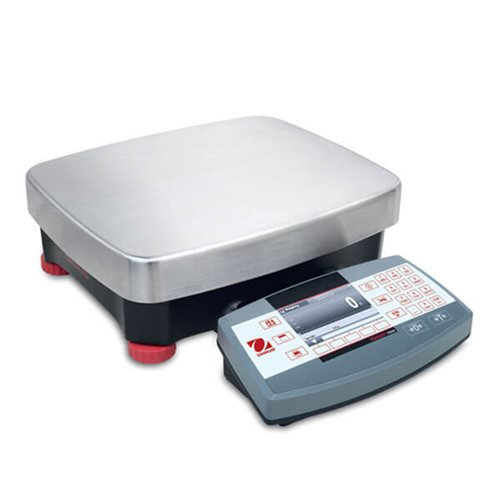
Many facilities use industrial counting scales alongside freight and pallet scales for parts management and inventory control. The best counting scales depend on consistent accuracy for piece counting, making regular calibration equally important. If you are looking at counting scales for sale for a new application, ask the provider about recommended calibration intervals and maintenance requirements upfront.
Frequently Asked Questions
How often should freight and pallet scales be calibrated?
Typically every 3–6 months, depending on usage and regulations. High-volume or legal-for-trade operations may require more frequent checks.
What are the signs that a freight scale needs repair?
Fluctuating or inaccurate readings, failure to zero, physical damage, or error codes indicate it’s time for service.
Can scale maintenance be done in-house?
Basic cleaning, inspections, and zeroing can be done internally, but calibration, load cell checks, and electrical repairs require a professional.
Is it better to repair or replace an old freight scale?
If repair costs approach the price of a new scale, or recurring problems persist, replacement may be more cost-effective.
Are rental scales a good option during repairs?
Yes. Rental scales come pre-calibrated and allow operations to continue while your primary equipment is serviced.
How can I prevent damage to freight and pallet scales?
Avoid overloading, place loads evenly, train staff on proper handling, and schedule regular maintenance and calibration.
Do all freight scales use load cells?
Most modern industrial scales use load cells, while older mechanical scales are rare in current industrial operations.
Conclusion
Regular maintenance and calibration keep freight and pallet scales accurate and reliable. Routine checks, early issue resolution, and professional service help prevent downtime, ensure compliance, and extend equipment life. For expert scale maintenance and calibration services, contact us today to keep your operations running smoothly.