
Weighing is simple when a scale sits on a dry, level floor inside a climate-controlled building. Most real jobs are not like that. Product gets washed down, docks are damp, road salt gets tracked in, and a forklift will eventually drive over something it shouldn’t. In those conditions a standard scale can drift, corrode, or quit working in a matter of weeks.
That is where marine scales come in. Built to survive moisture, salt, and chemical exposure, they keep delivering accurate readings when ordinary equipment fails. For companies in Wisconsin and Illinois that only need weighing equipment for a season, an audit, or a single project, an industrial scale rental is often the smartest way to get that durability without a large purchase.
This guide explains what marine scales are, why they matter, and how to choose the right one when renting.
What Are Marine Scales?
The name sounds like they are only for boats, but “marine scale” really describes a build standard. These scales are designed for wet, corrosive, or salt-laden environments, whether that is a fishing dock, a food plant, or a chemical wash bay.
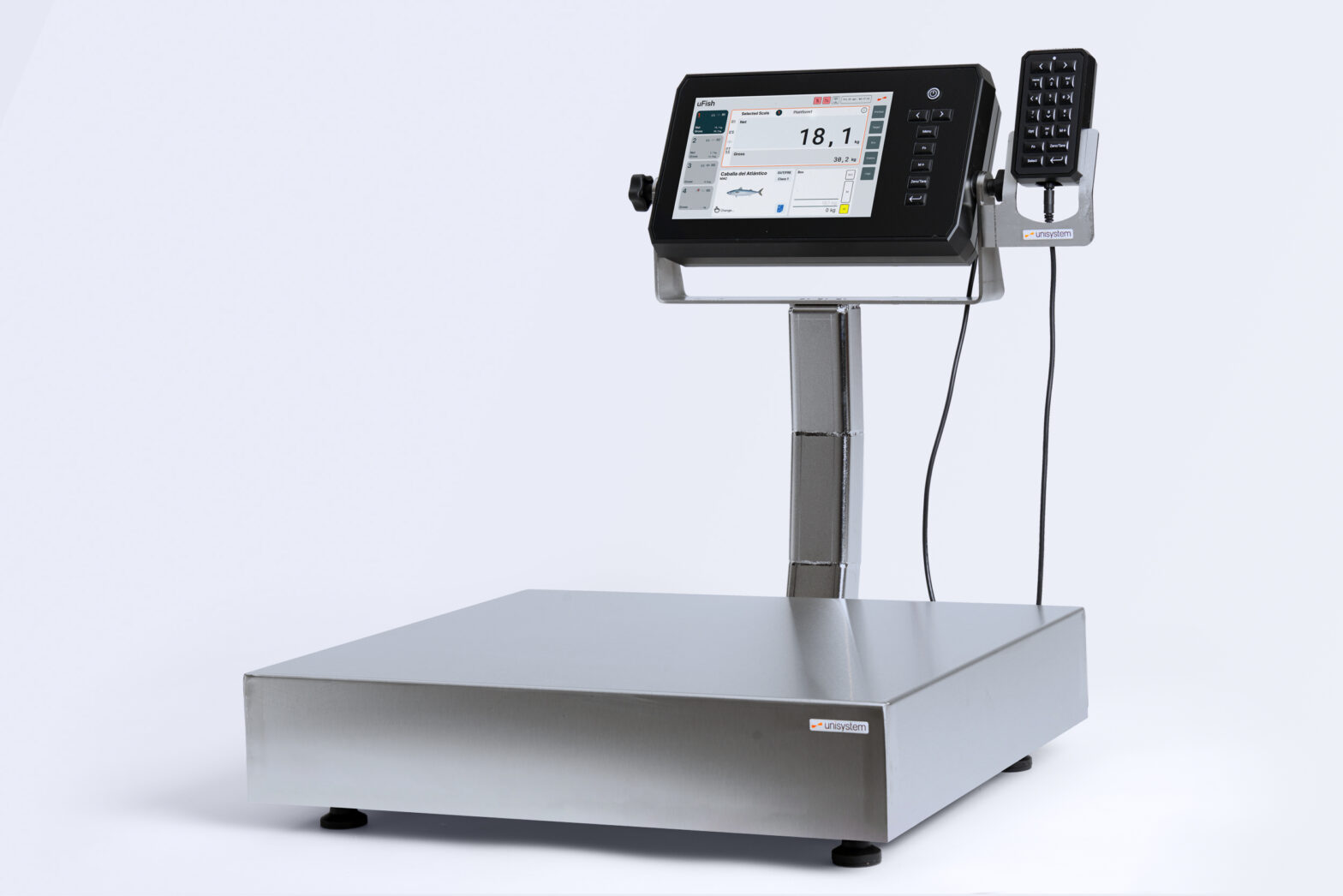
A typical marine-grade scale includes:
- Stainless steel construction, most often 304 or 316 grade, which resists rust far better than painted carbon steel
- Sealed load cells that keep water and debris away from the strain gauges that actually measure weight
- Sealed indicators with a high ingress protection rating, often IP66 or IP67
- Sloped or open-frame designs that let water drain instead of pooling and causing corrosion
In short, the weighing technology is the same as in any industrial scale. What changes is the armor around it.
Why Harsh Environments Destroy Standard Scales
Understanding the failure modes makes the case for marine-grade equipment obvious.
Moisture Ingress
Water is the number one enemy of weighing electronics. When it gets into a load cell or junction box, it can cause erratic readings, slow drift, or a complete signal loss. Once corrosion starts on the internal wiring, repair is usually more expensive than replacement.
Corrosion From Salt and Chemicals
Road salt, brine, cleaning agents, and fertilizers all attack bare steel. A scale that looks fine on the outside can be weakened underneath. A weakened frame can also change how load is distributed, which affects accuracy.
Temperature Swings and Condensation
Milwaukee and Chicago winters mean equipment that moves from a freezing yard into a warm building. That cycle causes condensation, and condensation in a non-sealed scale leads to the same moisture problems described above.
A marine scale is built to resist all three at once, which is why it is so often the right choice for rental fleets that go into unpredictable locations.
Key Features to Look For in a Marine-Grade Scale
Not every scale marketed as “washdown” or “waterproof” is equal. When you request a rental, ask about these specifics.
Material and Finish
Full stainless steel is the gold standard. Painted or coated carbon steel can work in lighter-duty damp areas, but it will not hold up to constant salt or chemical contact.
Ingress Protection (IP) Rating
The IP rating tells you how well the indicator and load cells resist dust and water. IP66 handles powerful water jets. IP67 handles temporary immersion. Pick the rating that matches how the scale will actually be cleaned or exposed.
Legal-for-Trade Approval
If the scale will be used to buy or sell by weight, it needs to be approved for commercial use in the United States, which typically means NTEP certification. Verify this before the rental begins, not after.
Capacity and Readability
Capacity is the maximum load. Readability is the smallest increment the scale can display. A scale with a 5,000 lb capacity is a poor choice for weighing 20 lb items. Matching the two keeps your measurements meaningful.
Portability
If the scale will move between locations, consider weight, handles, and whether the indicator runs on battery power.
Where Marine Scales Are Used in Rental Applications
Marine-grade scales show up in more industries than most people expect.
Ports, Docks, and Shipping Yards
Cargo and containers around the Great Lakes face spray, rain, and salt in winter. Scales used for weighing pallets, drums, or equipment in these areas need to handle both wet conditions and heavy impact.
Food and Seafood Processing
Sanitation rules require frequent, aggressive washdowns. Stainless steel resists both water and cleaning chemicals, and a smooth design makes it easier to keep clean. This matters for audits and for product safety.
Boat Manufacturing and Marine Service
Building or servicing vessels involves weighing engines, ballast, fuel, and fittings, often near water or in damp shops.
Chemical Handling and Water Treatment
Corrosive liquids and powders destroy ordinary scales. A marine-grade rental provides a safer and more reliable option for batch weighing or inventory checks.
Construction and Outdoor Projects
Rain, mud, and temperature swings are part of the job. Renting a rugged scale for a project’s duration avoids permanently buying equipment you may not need again.
Physical Inventory Counts
Year-end inventory counts often happen in warehouses, yards, or storage areas that are not climate controlled. Renting reliable scales for a few days or weeks keeps counts accurate without tying up capital.
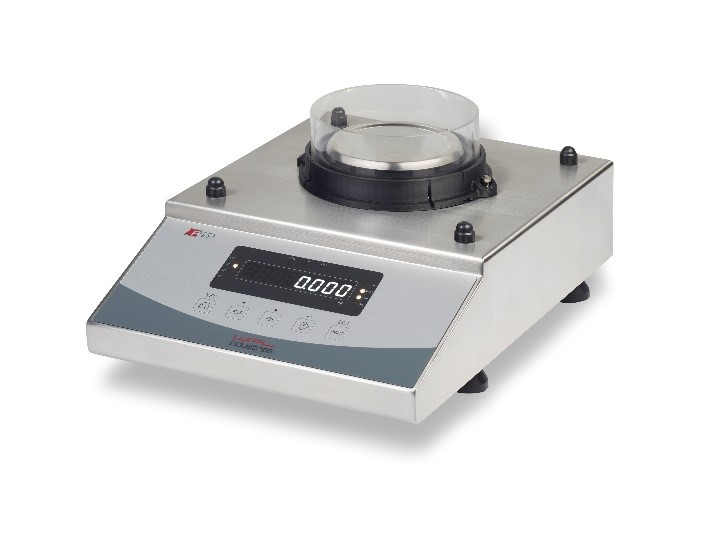
Why Rent a Marine Scale Instead of Buying One
Buying makes sense when you weigh every day in the same place. Renting makes more sense in several common situations.
Short-Term or Seasonal Needs
If you only need a scale for a harvest season, a shutdown, or a one-off project, ownership means paying for equipment that sits idle most of the year.
Lower Upfront Cost
Stainless, certified scales cost significantly more than basic models. Renting spreads that cost across the period you actually use it, which helps with budgeting.
Maintenance and Calibration Are Handled
A reputable rental provider inspects, tests, and calibrates equipment before it goes out. You do not have to track certification dates or arrange service yourself.
Flexibility to Test Before Committing
Some buyers rent first to find out which capacity, platform size, or indicator works best for their process. That experience prevents an expensive buying mistake.
How to Choose the Right Rental Marine Scale
A quick checklist keeps the process simple.
- Define the environment. Is it wet, salty, chemical, or all three?
- Estimate your weight range. Know the heaviest and lightest items you will weigh.
- Confirm accuracy needs. Do you need legal-for-trade approval or only internal checks?
- Check the platform size. Make sure your pallets, drums, or containers actually fit.
- Plan for power and connectivity. Battery operation, printers, and data output may matter.
- Ask about calibration documentation. You may need it for audits or quality systems.
- Confirm delivery timing. Rentals are most useful when they arrive before the deadline, not after.
When unsure, describe your application to the rental provider. Experienced technicians can usually recommend the right configuration in a single conversation.
Accuracy and Compliance Matter Even in Rentals
A rented scale is still a measuring instrument, and its readings still have consequences. Inaccurate weights can lead to billing disputes, inventory write-offs, regulatory issues, and wasted material.
Good rental practice includes:
- Verifying the scale with certified test weights before delivery
- Providing documentation on calibration status
- Making sure the scale is placed on a stable, level surface
- Keeping the scale clean and protected from impact during use
These steps are the difference between a scale that merely turns on and one you can trust.
How Industrial Scale Inc. Can Help
Industrial Scale Inc. provides weighing equipment and services for businesses across Wisconsin and Illinois, including rental scales for physical inventory and temporary projects. If your operation involves moisture, salt, or washdown, it is worth discussing your needs with their team before the job starts.
You can explore the available options on the industrial scale rental page, or contact us directly to talk through your application, timeline, and capacity requirements.
Frequently Asked Questions
What is a marine scale?
A marine scale is a weighing scale built to withstand moisture, salt, and corrosive conditions. It typically uses stainless steel construction and sealed electronics, and it is used well beyond boats, including in food processing, chemical handling, and outdoor industrial work.
Can I rent a marine-grade scale for a short project?
Yes. Short-term and seasonal rentals are one of the most common reasons companies choose rental over purchase, since you pay only for the time you need the equipment.
Are rental scales accurate enough for inventory counts?
When they are properly tested and calibrated before delivery, rental scales provide dependable accuracy for physical inventory and many other tasks. Always ask for calibration documentation if your process requires it.
Do I need a legal-for-trade scale?
If you buy or sell products by weight, yes. If the scale is only for internal counts or process control, legal-for-trade approval may not be required, but it never hurts to ask.
How do I get a rental quote?
Gather your approximate weight range, platform size, and environment details, then contact Industrial Scale Inc. to discuss availability and pricing.
Conclusion
Marine scales earn their place wherever water, salt, and corrosive materials are part of the job. Their sealed, stainless construction protects accuracy, extends service life, and reduces surprises. When you only need that capability temporarily, an industrial scale rental gives you dependable equipment without a long-term commitment. Ready to talk specifics? Reach out to the team and get matched with the right scale for your environment.