
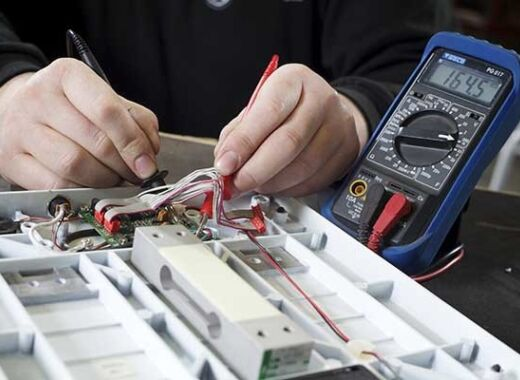
Both 4–20mA and 0–10V are widely used analog communication signals in industrial automation. While 4–20mA is generally preferred for long-distance, noise-resistant industrial applications, 0–10V offers a simple and cost-effective solution for shorter cable runs. Choosing the right communication method is essential for maintaining reliable weighing performance, especially when selecting a weighing scale for rent or an industrial scale rental for automated operations.
Key Takeaways
- 4–20mA and 0–10V are two common analog signals used in industrial automation.
- Each communication method offers unique advantages depending on the application.
- Signal selection affects weighing accuracy, equipment reliability, and system performance.
- PLCs, weighing indicators, and industrial scales must be compatible with the selected communication method.
- Understanding signal requirements helps businesses choose the right industrial scale rental for temporary or long-term projects.
Industrial automation depends on accurate communication between equipment. Whether you’re operating a manufacturing facility, warehouse, food processing plant, or packaging line, industrial weighing systems must continuously exchange information with PLCs, controllers, and monitoring devices.
One of the most important considerations when integrating industrial weighing equipment is the communication method used to transmit measurement data. Two of the most common analog communication standards are 4–20mA and 0–10V.
Although both are designed to send analog signals between industrial devices, they perform differently under varying operating conditions. Choosing the right signal can improve reliability, reduce downtime, and enhance weighing accuracy.
This becomes especially important when selecting a weighing scale for rent or an industrial scale rental, as compatibility with existing automation systems can significantly impact installation, performance, and operational efficiency.
What Are Analog Communication Signals?
Analog communication signals allow industrial equipment to transmit continuously changing values rather than simple ON/OFF commands.
Unlike digital communication, which sends information as binary data, analog signals represent changing measurements such as:
- Weight
- Pressure
- Temperature
- Flow rate
- Speed
- Liquid level
Industrial weighing systems use analog communication to send live weight measurements from load cells and weighing indicators to PLCs or other control equipment.
The controller then uses this information to automate production processes such as batching, filling, packaging, and quality control.
Understanding 4–20mA Communication
The 4–20mA current loop is one of the most widely used analog communication standards in industrial automation.
Instead of transmitting voltage, this method sends information using electrical current.
The signal ranges from 4 milliamps (mA) to 20 milliamps (mA), with each current value representing a specific measurement.
For example:
- 4mA may represent zero weight.
- 12mA represents approximately 50% of the measuring range.
- 20mA represents maximum capacity.
Because the signal is based on current rather than voltage, it is far less affected by electrical interference, making it ideal for demanding industrial environments.
Advantages of 4–20mA Communication
Excellent Noise Resistance
Industrial facilities often contain motors, conveyors, welding equipment, and other machinery that generate electrical noise.
Current signals remain stable even in these environments, making 4–20mA highly reliable.
Longer Cable Distances
4–20mA communication performs well over long cable runs with minimal signal loss.
This makes it an excellent choice for:
- Large manufacturing facilities
- Distribution centers
- Outdoor installations
- Processing plants
Easy Fault Detection
One major advantage of 4–20mA is its ability to detect wiring faults.
Since 4mA represents the minimum operating signal, a reading below 4mA often indicates:
- Broken wiring
- Power failure
- Equipment malfunction
This simplifies troubleshooting and reduces maintenance time.
Reliable Industrial Performance
Many industrial weighing systems use 4–20mA because it provides stable communication even under harsh operating conditions.
Understanding 0–10V Communication
The 0–10V analog signal uses voltage instead of current to transmit information.
In this system:
- 0 volts represent the minimum measurement.
- 10 volts represent the maximum measurement.
Voltage changes proportionally as the measured value changes.
Because of its simplicity, 0–10V is commonly used in building automation and smaller industrial systems.
Advantages of 0–10V Communication
Simple Installation
0–10V systems generally require fewer components and can be easier to install in applications with shorter wiring distances.
Lower Equipment Cost
Many controllers and sensors support 0–10V communication, making it a cost-effective option for less demanding applications.
Fast Signal Response
Voltage-based communication responds quickly to changing measurements, making it suitable for many control applications.
Ideal for Short Cable Runs
Where equipment is located close together, voltage loss is typically minimal, allowing 0–10V systems to perform effectively.
4–20mA vs 0–10V: What’s the Difference?
Although both communication methods serve the same purpose, they differ in several important ways.
| Feature | 4–20mA | 0–10V |
| Signal Type | Current | Voltage |
| Electrical Noise Resistance | Excellent | Moderate |
| Long Cable Performance | Excellent | Limited |
| Voltage Drop Issues | Minimal | More noticeable |
| Fault Detection | Easy | Limited |
| Installation Cost | Slightly higher | Lower |
| Industrial Reliability | Excellent | Good |
| Best Applications | Manufacturing, process control, weighing systems | Building automation, HVAC, short-distance control |
Which Communication Method Is Better for Industrial Weighing Systems?
There is no universal answer because the best option depends on the application.
For heavy-duty industrial environments where reliability, long cable distances, and electrical interference are concerns, 4–20mA is generally the preferred choice.
For smaller facilities or installations where equipment is located nearby and electrical noise is minimal, 0–10V may provide an effective and economical solution.
When integrating industrial weighing equipment with PLCs, manufacturers should consider:
- Cable distance
- Environmental conditions
- Existing automation systems
- Future expansion plans
- Required measurement accuracy
- Equipment compatibility
Selecting the appropriate communication method helps ensure consistent weighing performance and long-term system reliability.
How Communication Signals Impact Industrial Weighing Systems
Industrial scales do much more than measure weight—they provide real-time data that drives automated production processes.
Whether controlling batching, filling, packaging, or quality inspections, accurate communication between the weighing system and the PLC is essential.
If the communication signal is interrupted or degraded, manufacturers may experience:
- Inconsistent weight readings
- Production delays
- Material waste
- Product quality issues
- Increased maintenance requirements
- Equipment downtime
Using the correct communication method helps maintain stable data transmission and supports reliable automation across the entire production line.
Why Communication Compatibility Matters When Choosing a Weighing Scale for Rent
Renting industrial weighing equipment can be a practical solution for short-term projects, seasonal production, equipment testing, plant expansions, or emergency replacements. However, selecting the right weighing scale for rent involves more than choosing the appropriate capacity or platform size. One of the most important considerations is whether the scale can communicate seamlessly with your existing automation system.
Before choosing a rental scale, manufacturers should verify that it supports the same communication protocol used by their PLC, weighing indicator, or control system. This helps minimize installation time and reduces the risk of compatibility issues.
Factors to Consider Before Renting an Industrial Scale
When evaluating an industrial scale rental, consider the following:
- Compatibility with your PLC or automation system
- Required communication signal (4–20mA, 0–10V, or digital protocols)
- Maximum weighing capacity
- Environmental conditions where the scale will operate
- Accuracy requirements
- Available installation space
- Calibration status before delivery
- Technical support and maintenance options
Selecting compatible equipment from the beginning helps avoid unnecessary downtime and ensures smooth integration into your production process.
Benefits of Industrial Scale Rental
Purchasing industrial weighing equipment isn’t always the most practical option. Many businesses choose an industrial scale rental to gain access to reliable equipment without the long-term financial commitment.
Rental solutions are particularly useful for temporary projects, equipment breakdowns, production increases, and system upgrades.
Lower Initial Investment
Renting eliminates the significant upfront costs associated with purchasing industrial weighing equipment, making it easier to manage project budgets.
Access to Modern Equipment
Rental providers often supply well-maintained equipment featuring current technology and communication capabilities, helping businesses integrate scales into existing automation systems with minimal disruption.
Flexible Rental Terms
Whether equipment is needed for a few days, several weeks, or multiple months, rental options provide flexibility to match changing operational requirements.
Reduced Maintenance Responsibility
Many rental agreements include maintenance and technical support, reducing the burden on internal maintenance teams and helping keep equipment operating efficiently.
Ideal for Equipment Testing
Businesses planning future equipment purchases can use a weighing scale for rent to evaluate different capacities, communication methods, or system configurations before making a long-term investment.
Best Practices for Selecting Communication Systems and Rental Equipment
Choosing the right communication method and rental equipment requires careful planning. Following these best practices can help improve system reliability and long-term performance.
Match Communication Protocols
Always confirm that the rental scale supports the communication method used by your PLC and control system before installation.
Evaluate Environmental Conditions
Industrial environments with long cable runs, electrical interference, or heavy machinery typically benefit from the reliability of 4–20mA communication.
Verify Calibration Before Installation
Ensure every rental scale has been properly calibrated before it is installed. Accurate measurements are essential for maintaining product quality and process consistency.
Work with Experienced Rental Providers
Choose a supplier that offers technical guidance, installation support, maintenance assistance, and equipment that has been thoroughly tested before delivery.
Plan for Future Expansion
If your production facility is expected to grow, consider communication systems that can be easily integrated into future automation upgrades.
Common Mistakes to Avoid
Many communication and weighing problems can be prevented by avoiding a few common mistakes.
Choosing Equipment Based Only on Price
The least expensive option may not be compatible with your automation system or production requirements. Consider reliability, communication compatibility, and long-term performance when making your decision.
Ignoring Communication Compatibility
A scale that cannot properly communicate with your PLC may require additional hardware, programming changes, or costly modifications.
Overlooking Environmental Conditions
Electrical noise, excessive moisture, vibration, and long cable distances can affect communication performance if the wrong signal type is selected.
Skipping Calibration
Even new or rented equipment should be verified before production begins. Calibration helps ensure accurate measurements from the first day of operation.
Delaying Preventive Maintenance
Routine inspections help identify potential issues before they result in communication failures or inaccurate weighing data.
Expert Tips for Reliable Weighing System Communication
Manufacturers can improve system performance by following a few practical recommendations:
- Use shielded cables where electrical interference is present.
- Keep communication wiring separate from high-voltage power cables.
- Inspect connectors and wiring during routine maintenance.
- Schedule regular calibration to maintain weighing accuracy.
- Document communication settings for future troubleshooting.
- Test communication signals before placing equipment into production.
- Partner with experienced service providers for installation and ongoing support.
A proactive maintenance strategy helps reduce unexpected downtime and ensures reliable operation throughout the life of the equipment.
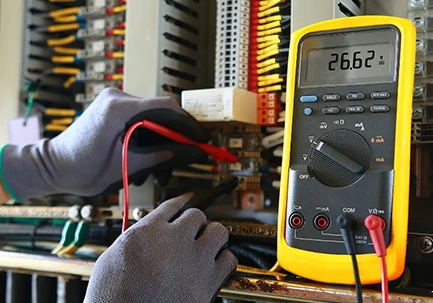
4–20mA vs. 0–10V at a Glance
| Feature | 4–20mA | 0–10V |
| Signal Type | Current | Voltage |
| Resistance to Electrical Noise | Excellent | Moderate |
| Performance Over Long Distances | Excellent | Best for shorter distances |
| Voltage Drop | Minimal | More susceptible |
| Fault Detection | Easy to identify wiring issues | Limited fault indication |
| Installation Cost | Slightly higher | Lower |
| Typical Applications | Manufacturing, weighing systems, process control | HVAC, building automation, compact industrial systems |
Preventive Checklist for Industrial Weighing Systems
Regular inspections and maintenance help ensure reliable communication and accurate weighing performance.
| Maintenance Task | Recommended Frequency |
| Inspect communication cables | Monthly |
| Check electrical connections | Monthly |
| Verify signal output | Monthly |
| Clean weighing equipment | Weekly or as required |
| Inspect load cells and indicators | Quarterly |
| Perform scale calibration | According to manufacturer recommendations |
| Review PLC communication settings | During scheduled maintenance |
| Test system performance after maintenance | Before returning to production |
Conclusion
Reliable communication is essential for every automated weighing system. Whether using 4–20mA or 0–10V, the right communication method helps ensure accurate data transmission between industrial scales, PLCs, and production equipment.
While 4–20mA is often the preferred choice for demanding industrial environments due to its resistance to electrical interference and ability to perform over long distances, 0–10V remains a practical solution for smaller systems with shorter cable runs. Understanding the strengths of each communication method allows manufacturers to choose the best option for their specific application.
If your business requires temporary weighing equipment, selecting a compatible weighing scale for rent or industrial scale rental can simplify installation, reduce downtime, and keep production running efficiently. Choosing equipment that integrates seamlessly with your existing automation system ensures reliable performance and supports long-term operational success.
Contact Us
Whether you need a weighing scale for rent, an industrial scale rental, or expert guidance on selecting equipment that integrates with your automation system, our experienced team is here to help. We offer reliable weighing solutions, technical support, calibration, and maintenance services to keep your operations running efficiently. Contact us today to discuss your application and find the right weighing solution for your business.
Frequently Asked Questions
The primary difference is the signal type. 4–20mA uses electrical current, making it more resistant to interference and better suited for long cable runs, while 0–10V uses voltage and is generally preferred for shorter distances and less demanding environments.
For most industrial applications, 4–20mA is the preferred option because it offers greater reliability, improved noise resistance, and consistent performance in challenging environments. However, 0–10V may be suitable for smaller systems with shorter wiring distances.
Choosing a weighing scale for rent that matches your PLC and control system helps ensure smooth installation, reliable communication, and efficient operation without requiring costly system modifications.
Before selecting an industrial scale rental, consider communication compatibility, weighing capacity, accuracy requirements, environmental conditions, calibration status, available installation space, and technical support offered by the rental provider.
Yes. Many modern rental scales are designed to integrate with PLC-controlled automation systems. Confirming communication compatibility and calibration before installation helps ensure reliable performance and minimizes production downtime.