
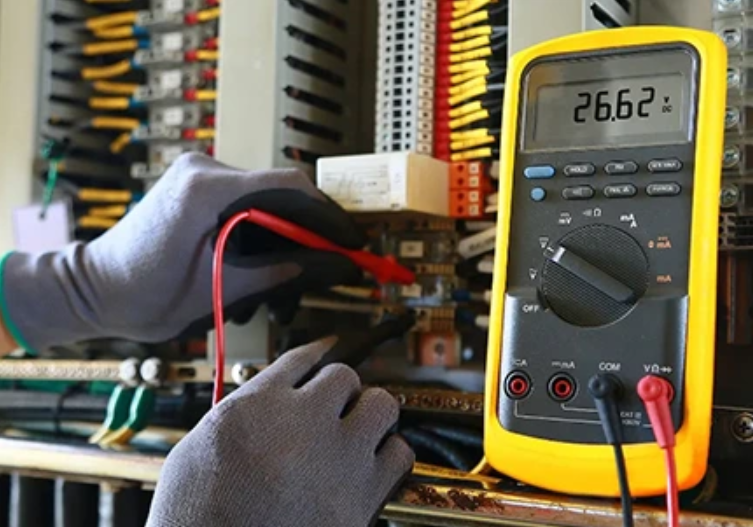
If you run any kind of manufacturing, warehousing, or distribution operation, quality control is not just a checkbox. It is the backbone of how your business stays accurate, compliant, and trusted by clients. Two things sit at the center of a solid quality control system: regular audits and ISO 17025 calibration. Most businesses treat these as separate activities. The truth is, they are deeply connected, and understanding how they work together can save you from costly errors, failed inspections, and unexpected fees.
This post breaks down what each process involves, how they support each other, and what role your industrial scales play in the bigger picture.
What Is ISO 17025 Calibration?
ISO 17025 is an international standard that defines the requirements for testing and calibration laboratories. When a scale calibration service operates under ISO 17025 accreditation, it means their methods, equipment, and documentation meet a rigorous, globally recognized benchmark.
In practical terms, ISO 17025 calibration means:
- The technician uses reference weights traceable to national or international measurement standards
- Every measurement is documented with full uncertainty analysis
- The calibration certificate issued after the service is legally and technically valid for audits, trade, and regulatory review
- The process is repeatable and consistent across service visits
This is not the same as a basic in-house adjustment. When you hire one of the accredited scale calibration companies to perform ISO 17025 calibration, you are getting a documented, defensible record of your equipment’s accuracy.
Why This Standard Matters for Industrial Operations
Industrial environments are tough on weighing equipment. Dust, vibration, temperature swings, and heavy loads all contribute to drift and wear. An industrial floor scale on a busy loading dock may be used hundreds of times a day. Without traceable, documented calibration, you have no way to prove your readings were accurate during any given period. That becomes a serious problem when a quality audit arrives.
What Happens During a Quality Control Audit?
A quality control audit is a formal review of your processes, equipment, and documentation to confirm that everything meets a defined standard. Audits can be internal, conducted by your own quality team, or external, conducted by a certification body, a client, or a regulatory agency.
During an audit that involves weighing equipment, auditors typically look for:
- Calibration certificates for every scale in use, showing they are current and within tolerance
- Evidence of a regular service schedule for scale calibration services and repairs
- Records of any weighing scale repair or maintenance performed on the equipment
- Proof that the calibration was performed by an accredited provider
- Corrective action records if a scale was found to be out of tolerance
If your scales do not have current ISO 17025 calibration certificates, an auditor can flag your entire weighing process as non-compliant. That can put product certifications, client contracts, and regulatory licenses at risk.
How ISO 17025 Calibration Supports Your Audit Readiness
Here is where the two processes connect directly. Every ISO 17025 calibration visit generates documentation that serves as audit evidence. The calibration certificate your provider issues is not just a piece of paper. It is a traceable record that tells auditors:
- When the scale was calibrated
- What reference standards were used
- What the as-found and as-left readings were
- Whether the scale passed, and if not, what corrective action was taken
This kind of documentation is exactly what auditors are looking for. When you work with a reliable provider for industrial scale calibration on a scheduled basis, you are essentially building your audit evidence log automatically with every service visit.
The Connection Between Calibration Frequency and Audit Outcomes
One of the most common audit findings in manufacturing and logistics is expired or missing calibration records. The fix is straightforward but requires discipline. Align your calibration schedule with your audit cycle, and make sure every piece of weighing equipment, including industrial floor weighing scales, counting scales, and portable units, is covered.
Here is a simple framework many quality managers use:
- High-use equipment: Calibrate every 3 to 6 months
- Medium-use equipment: Calibrate every 6 to 12 months
- Low-use or backup equipment: Calibrate annually at minimum
- Post-repair: Always recalibrate after any floor scale repair or weighing scale repair
Following this schedule means you will always have current documentation on hand when an audit is scheduled, or when one arrives unannounced.
Calibration and Audit Requirements Across Common Industries
Different industries have different expectations for how weighing equipment is managed. The table below gives an overview of calibration and audit requirements across several common sectors.
| Industry | Typical Audit Body | Calibration Requirement | Common Equipment Used |
|---|---|---|---|
| Food and Beverage | FDA, BRC, SQF | ISO 17025, documented schedule | Industrial floor scales, counting scales |
| Pharmaceuticals | FDA, GMP | ISO 17025, traceability mandatory | Precision bench scales, floor scales |
| Logistics and Freight | Carrier compliance, DOT | NIST-traceable calibration | Industrial floor weighing scales |
| Manufacturing | ISO 9001 auditors | Scheduled calibration, service records | Industrial counting scale, floor scales |
| Retail and Trade | Weights and Measures | Legal-for-trade certification | Floor scales, bench scales |
| Chemical Processing | OSHA, EPA | Documented calibration and repairs | Heavy-duty floor scales |
Whatever your industry, the pattern is consistent. Auditors want to see documented proof that your scales are accurate and that you have a system in place to keep them that way. If you need assistance or have any questions, feel free to visit our local office for professional guidance
The Role of Scale Repair in Quality Control
Calibration alone isn’t always enough. If a scale has hardware issues like a damaged load cell or worn components, calibration cannot fix the problem. That’s why repair and calibration must go hand in hand.
When a scale is found out of tolerance, a professional repair service will identify the issue, carry out the necessary fix, and then recalibrate it. This ensures proper documentation and corrective action records, which are essential for audit compliance.
What Industrial Scale Repair Covers
Industrial scale repair services typically include:
- Load cell replacement or refurbishment
- Platform and frame repair for damaged industrial floor scales
- Cable and connector replacement
- Display and indicator repair or replacement
- Software and firmware updates for digital scales
- Cleaning and environmental sealing for harsh-environment units
Skipping repairs and simply recalibrating a damaged scale is a shortcut that auditors can identify. If a scale consistently shows out-of-tolerance readings in historical records, it signals a maintenance gap that reflects poorly on your quality system.
Choosing the Right Provider for Calibration and Repair
Whether you need weighing scale calibration services, industrial scale repair, or both, your provider matters. Here is what to look for:
- ISO 17025 accreditation: Confirms that their calibration process meets international standards and their certificates hold up under audit scrutiny
- Industry experience: A provider familiar with your sector understands what auditors expect and how to document accordingly
- On-site capability: For large or fixed equipment like industrial floor scales for sale or installed floor scale systems, on-site service is essential
- Repair and calibration together: Using one provider for both scale repair services and calibration simplifies your documentation and reduces gaps in service history
- Rental options: If equipment is out for repair, access to industrial scale rental ensures your operations continue without interruption
Some businesses also find value in using a weighing scale for rent during peak seasons or while waiting for new equipment. Always confirm that any rental unit comes with a current calibration certificate before putting it into service.
Counting Scales and Their Role in Quality Audits
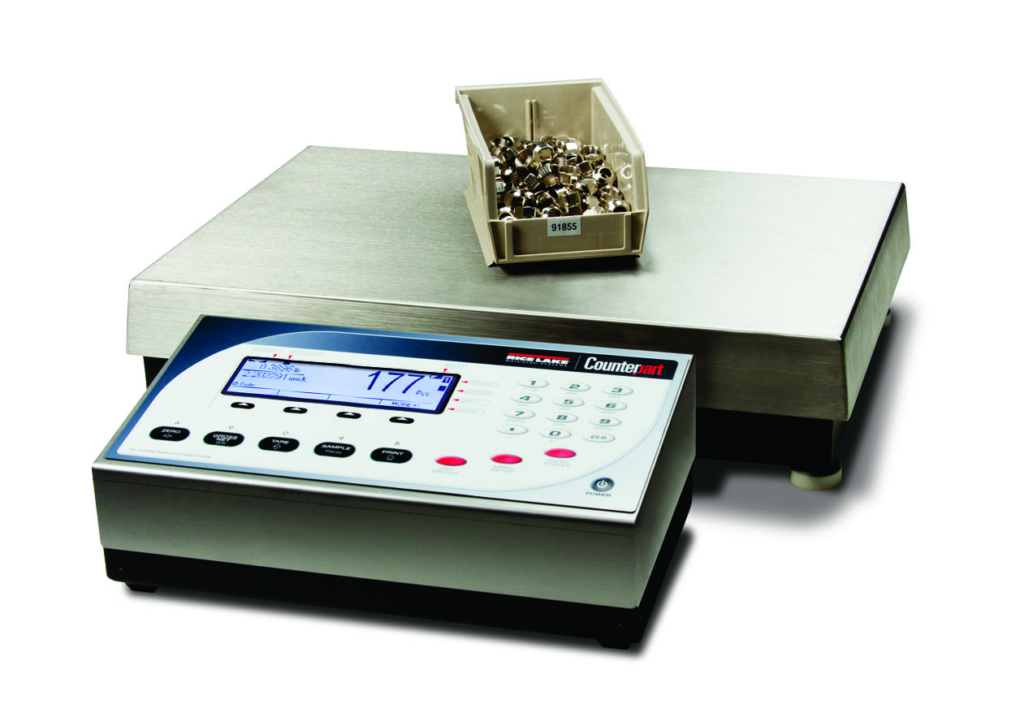
Counting scales play a key role in quality control, as they calculate quantity based on weight meaning even small calibration errors can affect every count.
During audits, incorrect counts can raise concerns about inventory accuracy. That’s why it’s important to choose counting scales that come with proper calibration support and audit-ready documentation, not just a good price.
Frequently Asked Questions
1. What is the difference between ISO 17025 calibration and standard calibration?
Standard calibration ensures accuracy, while ISO 17025 calibration follows accredited procedures with full traceability and provides an audit-accepted certificate.
2. How do calibration records help during a quality audit?
They provide a clear history of calibrations, results, and corrective actions, proving your quality control process is consistent and well-documented.
3. How often should industrial floor scales be calibrated?
Typically every 3–6 months, depending on usage. More frequent calibration may be needed in high-traffic or regulated environments.
4. Can I use rented scales in a quality-controlled environment?
Yes, but only if they come with a valid, up-to-date calibration certificate from an accredited provider.
5. What happens if a scale fails calibration during an audit?
It must be repaired, recalibrated, and documented. Products measured during the faulty period may also need review.
6. Do counting scales need the same calibration process as floor scales?
Yes, as their accuracy directly impacts inventory and production data.
7. Why is ISO 17025 calibration important for compliance?
It ensures reliable, traceable results and provides documentation that meets auditor and regulatory requirements.
Conclusion
Audits and ISO 17025 calibration go hand in hand calibration provides the proof, and audits ensure consistency. Keeping your scales calibrated and well-maintained is essential for reliable quality control.
Even a single missed calibration or unrepaired issue can impact compliance, making regular servicing critical. For more information or guidance on calibration and compliance requirements, feel free to contact us our team is here to help.