
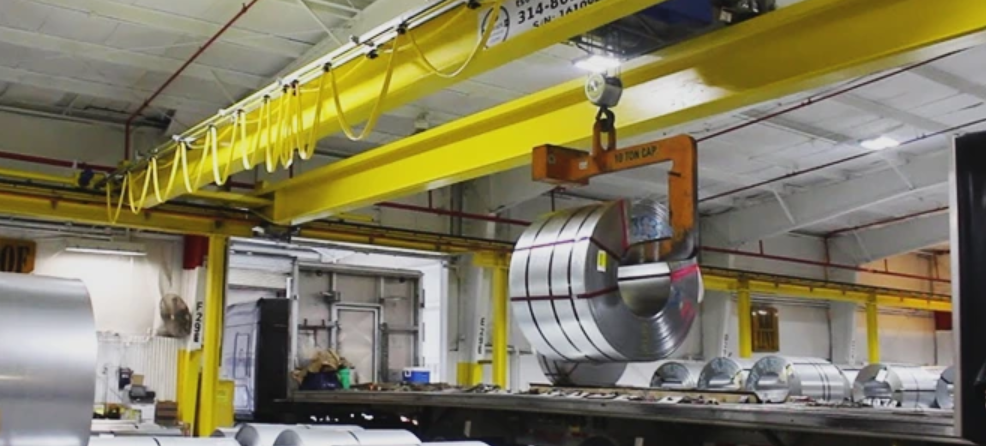
If your business relies on shipping goods, manufacturing products, or managing inventory, then the accuracy of your weighing equipment directly affects your bottom line. Many businesses overlook this until an inaccurate scale quietly causes overbilling, compliance violations, or product giveaways. This guide explains how industrial shipping and scale calibration work together, and what you can do to stay protected.
Why Weighing Accuracy Matters in Industrial Shipping
Industrial shipping is not just about moving packages from one location to another. It is a tightly regulated, cost-sensitive process where even a small weighing error can lead to significant losses. When a scale is off by just a few grams or pounds, the effects multiply across thousands of shipments.
Here is what typically happens when businesses ignore scale maintenance:
- Overweight shipments trigger penalty charges from carriers
- Underweight shipments can result in regulatory fines or returned goods
- Inaccurate inventory counts throw off billing and order fulfilment
- Production lines deliver inconsistent product weights, affecting quality control
Carriers use certified scales to verify shipment weight, and any mismatch can lead to extra charges, including dimensional weight fees.
Regular scale calibration and repair help maintain accuracy and prevent these unnecessary costs.
What Is Scale Calibration and Why Does ISO Compliance Matter?
Scale calibration is the process of adjusting and verifying a weighing instrument to ensure its readings match known reference standards. ISO (International Organization for Standardization) guidelines set the benchmark for how this process should be documented, performed, and maintained.
How Scale Calibration Works
Here is a simplified breakdown of the calibration process:
- A certified technician arrives with reference weights that are traceable to national standards.
- The scale is tested at multiple load points, from zero to full capacity.
- Any deviation from the true value is recorded and adjusted.
- A calibration certificate is issued documenting the results.
- The scale is re-tested to confirm accuracy before the technician leaves.
ISO-compliant weighing scale calibration services follow this protocol strictly. The certificate you receive serves as proof that your equipment meets regulatory and industry standards, which is essential for audits and trade compliance.
Why ISO Calibration Prevents Fees
When your scales are ISO calibrated, several protections fall into place:
- Your outgoing shipment weights align with carrier scales, eliminating re-weigh disputes
- Regulatory inspectors have documented proof that your equipment is accurate
- Product fill weights stay consistent, protecting against underfill complaints or overfill losses
- Insurance and liability exposure from inaccurate measurements is reduced
Calibrated vs. Uncalibrated Scale: What Is the Real Cost?
The table below compares the operational impact of calibrated and uncalibrated industrial scales across key business areas.
| Area | Calibrated Scale | Uncalibrated Scale |
|---|---|---|
| Shipping Fees | Weights match carrier systems; no re-weigh surcharges | Frequent disputes and added re-weigh charges |
| Regulatory Compliance | ISO-certified; audit-ready documentation | Risk of fines and failed inspections |
| Product Quality | Consistent fill weights; fewer customer complaints | Variable weights; possible product liability |
| Inventory Accuracy | Accurate counts; reliable stock management | Miscounts lead to order errors and waste |
| Carrier Relationships | Reliable track record; fewer billing disputes | Strained relationships; possible account flags |
| Equipment Lifespan | Issues caught early through routine checks | Hidden damage goes undetected until failure |
Types of Industrial Scales That Require Regular Calibration and Repair
Different industrial environments use different types of scales, and each has specific calibration and maintenance needs.
Floor Scales
Industrial floor scales handle heavy loads daily, leading to faster wear and frequent need for repair.
When choosing industrial floor scales, ensure the supplier offers ongoing maintenance, as regular checks are essential to maintain accuracy and prevent drift over time.
Counting Scales
Counting scales are used in assembly lines and inventory management, where even small calibration errors can lead to large miscounts.
Regular calibration is essential, as even a minor error can result in significant daily inaccuracies.
Portable and Rental Scales
Industrial scale rental is a cost-effective option for temporary or seasonal needs.
When renting, ensure the scale includes a valid calibration certificate to avoid compliance issues during audits.
Signs Your Industrial Scale Needs Repair or Recalibration
Many businesses wait until a scale completely fails before calling an industrial scale repair company. That reactive approach costs more in the long run. Watch for these early warning signs:
- Readings fluctuate or are inconsistent between uses
- The display shows an error code or stays at zero
- You notice a visible crack, dent, or corrosion on the platform
- The scale does not return to zero after removing a load
- Shipping invoices show frequent re-weigh adjustments from your carrier
- Calibration is overdue based on your service schedule
If you notice any of these issues, contact a professional offering industrial scale repair services right away. Delaying repair only deepens the problem and increases your exposure to billing errors and compliance risks.
Choosing the Right Scale Calibration and Repair Provider
Not all scale service companies are equal. When evaluating scale calibration companies or looking for industrial scale repair support, keep these factors in mind:
- Certification: Does the provider carry ISO 17025 accreditation or NIST-traceable standards
- Experience: How long have they worked with your type of equipment and industry
- Response Time: Can they offer emergency or on-site service when needed
- Documentation: Do they provide detailed calibration certificates after every visit
- Full Service: Do they handle both weighing scale repair and calibration under one roof
A provider that combines industrial-scale calibration with repair and parts supply is far more convenient than managing multiple vendors. Industrial Scale Inc. is one example of a company offering this kind of comprehensive support, from sales and calibration to long-term service plans.
How Often Should You Schedule Scale Calibration?
The right calibration frequency depends on several factors:
- Usage intensity: High-volume operations may need monthly or quarterly calibration
- Environment: Scales in harsh environments (temperature extremes, vibration, dust) need more frequent checks
- Regulatory requirements: Some industries mandate calibration intervals by law
- Equipment age: Older scales tend to drift more quickly and may need more attention
A good rule of thumb is to align your calibration schedule with your weighing scale calibration service provider’s recommendations and to document every service visit carefully. For more information or personalised support, you can also visit our local office to speak with a qualified advisor.
Frequently Asked Questions
1. What is the difference between scale calibration and scale repair?
Calibration ensures accurate measurement, while repair fixes faults or damage. Both are essential for reliable performance.
2. How do uncalibrated scales cause extra shipping fees?
Weight mismatches lead carriers to re-weigh shipments and apply additional charges, which can quickly add up.
3. Are industrial floor scales harder to calibrate than bench scales?
Yes, due to their size and heavy load capacity, they require specialised equipment and on-site service.
4. Can I rent an industrial scale instead of buying one?
Yes, rentals are ideal for short-term needs, but always ensure the scale has a valid calibration certificate.
5. What should I look for when buying industrial floor scales?
Check capacity, size, features, and ensure the supplier offers ongoing maintenance and support.
6. How do I know if a scale calibration company is trustworthy?
Look for ISO certifications, proper documentation, and proven experience in handling similar equipment.
7. Why is regular scale calibration important?
It maintains accuracy, ensures compliance, and helps prevent costly errors in operations.
Conclusion
Accurate weighing is essential for controlling costs, maintaining compliance, and ensuring smooth operations in industrial and shipping environments.
Regular calibration, timely repairs, and proper equipment selection help prevent errors and protect your business in the long run. For expert support, contact us today to learn how our scale services can help protect your operations.