
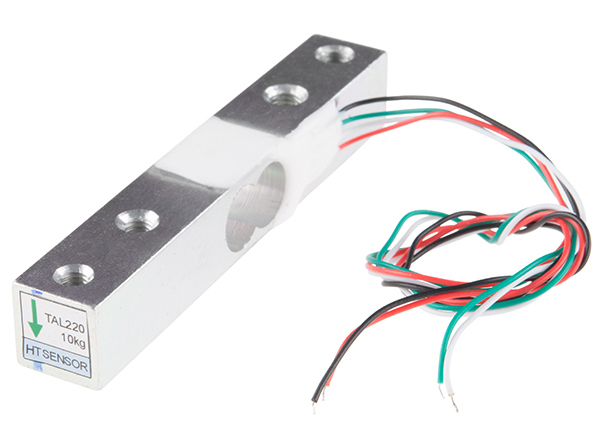
If you have ever used an industrial floor scale, a counting scale, or any kind of weighing equipment, there is a small but critically important component doing most of the heavy lifting behind the scenes. That component is the load cell.
Most people never think about load cells until something goes wrong. A scale starts giving inconsistent readings, drifts off during the middle of a shift, or simply stops responding altogether. In many of these cases, the load cell is at the heart of the problem.
This guide will walk you through exactly how load cells work, what they are made of, what causes them to fail, and how regular scale calibration and timely scale repair services can help you avoid costly downtime.
What Is a Load Cell?
A load cell is a transducer that converts mechanical force (weight or pressure) into an electrical signal a scale can read. It is the core component of any weighing system, from small bench scales to large industrial floor scales.
All load cells work on the same principle: force is applied, slight deformation occurs, and an electrical signal is generated based on that change.
How Do Load Cells Actually Work?
To understand how a load cell works, you need to understand three things: the structure, the strain gauge, and the signal output.
The Physical Structure
Most load cells are made from a block of metal, typically steel or aluminum, machined into a specific shape. Common shapes include:
- Bending beam – used in platform and floor scales
- Single point – found in bench scales and some counting scales
- Shear beam – common in industrial floor scales and tank weighing systems
- S-beam (or S-type) – used for tension and compression applications
- Compression canister – used in truck scales and very high-capacity applications
The shape determines how the metal will flex or deform when a load is applied. This deformation is intentional and very small, typically measured in microns.
The Strain Gauge
Bonded to the surface of the load cell’s metal body are one or more strain gauges. A strain gauge is a thin, flexible resistor that changes its electrical resistance when it is stretched or compressed.
When you place a weight on a scale:
- The force travels down through the scale platform into the load cell
- The load cell’s metal body deforms slightly under the load
- The strain gauges bonded to the metal stretch or compress along with it
- This changes their electrical resistance
- The change in resistance produces a change in voltage output
- That voltage signal is sent to the scale’s indicator, which converts it into a weight reading
The relationship between the applied load and the voltage output is what makes calibration so important. Scale calibration services verify and document that this relationship is accurate across the entire range of the scale.
The Wheatstone Bridge Circuit
Most load cells use four strain gauges arranged in what is called a Wheatstone bridge circuit. This configuration balances the electrical signals in a way that:
- Cancels out temperature-related errors
- Amplifies the signal for better resolution
- Provides a more stable and repeatable output
This is why a quality load cell can be incredibly accurate even in challenging environments, as long as it is properly maintained and calibrated.
Types of Load Cells and Where They Are Used
Different applications call for different load cell designs. Here is a quick overview of the most common types and where you will find them:
| Load Cell Type | Typical Capacity Range | Common Application |
|---|---|---|
| Single Point | 0.5 kg to 500 kg | Bench scales, counting scales, retail scales |
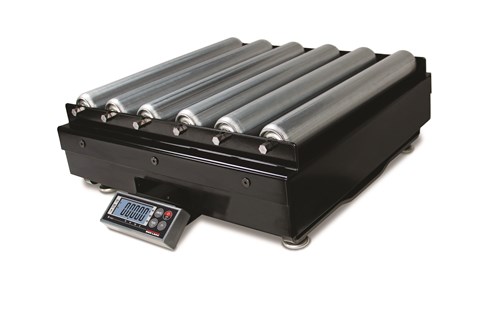
| Bending Beam | 5 kg to 5,000 kg | Platform scales, conveyor scales |
| Shear Beam | 100 kg to 50,000 kg | Industrial floor scales, tank weighing |
| S-Beam | 10 kg to 10,000 kg | Hanging scales, tension measurement |
| Compression Canister | 5,000 kg to 500,000 kg | Truck scales, silo weighing, hoppers |
| Double-Ended Shear Beam | 500 kg to 100,000 kg | Large platform scales, floor scales |
If you are exploring industrial floor scales for sale or evaluating options for your warehouse, you can also visit our office to learn more and explore available solutions in person.
What Can Damage a Load Cell?
This is where things get practical. Load cells are precision instruments, and while they are built to handle demanding conditions, several factors can cause them to fail prematurely. Understanding these causes helps you prevent damage and know when to call for professional weighing scale repair.
1. Overloading
Every load cell has a rated capacity and overload limit. Exceeding it even once can damage the metal body or strain gauges, a common cause of industrial scale repairs.
How to prevent it:
- Always know the rated capacity of your scale
- Use approach ramps to reduce impact on floor scales
- Train staff on proper loading procedures
- Install overload protection accessories where possible
2. Side Loading and Eccentric Loading
Load cells are meant for force from a specific direction. Off-center or angled loads stress the cell, causing metal fatigue, drift, and eventual failure especially in uneven or improperly loaded floor scales.
3. Moisture and Corrosion
Load cells are electrical devices, and moisture is their enemy. Water ingress can:
- Short out the strain gauge circuit
- Corrode the internal wiring and connections
- Cause the zero point of the scale to drift unpredictably
In wet or humid industrial settings, load cell seals can wear out. Regular inspections should check seals and cables for moisture damage.
4. Lightning and Electrical Surges
A single nearby lightning strike or power surge can destroy multiple load cells instantly. The Wheatstone bridge circuit inside the load cell is sensitive to voltage spikes, and there is often no way to repair a surge-damaged load cell. It simply needs to be replaced.
Protective measures include:
- Surge protectors on all power inputs to the scale indicator
- Proper grounding of the entire scale system
- Transient voltage suppressors in high-risk areas
If your scale suddenly fails after a storm or power event, the load cells should be one of the first things an industrial scale repair company checks.
5. Chemical Exposure
Harsh chemicals and cleaners can damage load cell coatings, especially in food, pharma, and chemical facilities. Chlorine-based cleaners may cause stainless steel corrosion, so check chemical compatibility.
6. Fatigue from Repeated Cycling
Each load slightly flexes the load cell, causing metal fatigue over millions of cycles. High-use operations can shorten its life, so regular calibration helps catch drift early.
7. Poor Installation and Mounting
A load cell that is not installed correctly will never perform correctly. Common installation mistakes include:
- Uneven mounting surfaces that twist the load cell body
- Improper torque on mounting bolts
- Missing or incorrect check rods and bumper stops on floor scales
- Cables routed in ways that pull on the load cell body
Any of these issues will introduce errors into the weight reading and can cause premature mechanical failure. This is one reason why industrial scale calibration should always be performed after installation, not just after repair.
Load Cells and Scale Calibration: Why They Cannot Be Separated
Even a load cell that is functioning correctly needs regular calibration to ensure it is performing within spec. Scale calibration is the process of applying known weights across the scale’s range and verifying that the output matches what it should be.
Over time, load cells can develop subtle changes in their output characteristics due to:
- Temperature cycling
- Normal mechanical wear
- Aging of the strain gauge bonding material
- Changes in the indicator electronics
Scale calibration detects changes early and keeps measurements within limits, which is vital for legal-for-trade operations.
Calibration companies provide on-site service, documentation, and scheduled agreements to maintain compliance without disrupting operations.
Options When Your Scale or Load Cell Fails
When a load cell fails, your options depend on urgency and budget:
- Load cell replacement – Quick and effective if the rest of the scale is in good condition.
- Full scale repair – Best if the issue is due to overloading or installation problems.
- Scale rental – Keeps operations running while repairs are underway.
- Scale replacement – Ideal for older equipment where repair costs are too high.
Preventive Maintenance Tips to Extend Load Cell Life
Taking care of your load cells does not require much, but consistency matters. Here are practical steps:
- Schedule regular weighing scale calibration services, at least annually and more often in high-use environments
- Inspect cables, seals, and mounting hardware during each maintenance visit
- Keep the area around floor scales clean and free of debris
- Avoid dropping loads onto the scale platform
- Never exceed the rated capacity of the scale
- Ensure the scale is properly leveled and mounted
- Use correct approach ramps for fork truck scales
- Document any unusual events such as overloads or impacts so your technician is informed
For operations using industrial counting scales or best counting scales in inventory management, even small errors caused by a degrading load cell can add up to significant stock discrepancies over time.
Frequently Asked Questions
How long do load cells typically last?
With proper maintenance, load cells can last 10–20 years. Harsh conditions or overloading can reduce lifespan, so regular calibration is important.
Can a load cell be repaired or replaced?
Most damaged load cells are replaced, not repaired, due to their delicate internal components.
How to tell if the load cell or indicator is faulty?
A technician can test the load cell signal separately to identify whether the issue is with the load cell or the indicator.
Do all scales use load cells?
Most modern electronic scales use load cells, while older mechanical systems are now rarely used.
How often should load cells be calibrated?
High-use scales may need quarterly calibration, while lighter-use equipment is typically calibrated annually.
Is renting industrial scales a good option?
Yes, rentals are cost-effective for short-term use and come calibrated, ready for operation.
Conclusion
Load cells are central to any weighing system, and their proper function ensures accurate measurements. Understanding how they work, what can damage them, and the importance of regular calibration helps prevent downtime and ensures compliance. By following maintenance tips, monitoring for wear, and working with qualified repair and calibration services, you can extend load cell life and keep your scales reliable. For expert load cell and scale calibration services, contact us today.