
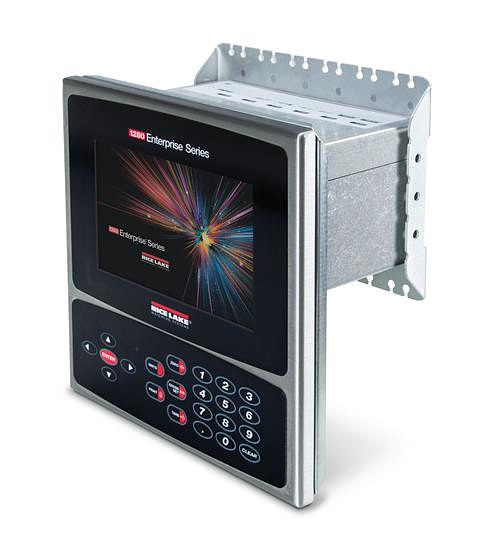
Modern manufacturing facilities process thousands of products every hour. Precision and speed are no longer optional; they are mandatory for competitiveness. At the center of many automated production systems, programmable scale weighing indicators control weighing, batching, sorting, and verification tasks across every industrial floor scale and automated workstation. These devices have evolved from simple weight displays into intelligent control hubs.
They analyze weight signals, execute logic, trigger outputs, and integrate with plant-wide systems. From food production to pharmaceuticals, they ensure accuracy, repeatability, and compliance, especially when supported by proper scale calibration services and professional industrial scale repair programs.
Let’s explore how these systems work and how they support complex industrial automation.
What Are Programmable Scale Weighing Indicators?
A programmable scale weighing indicator is the control unit of an industrial weighing system. Unlike basic displays, it processes signals, executes automation logic, and makes real-time production decisions.
It connects to load cells mounted on an industrial floor weighing scale. The load cells convert force into electrical signals, and the indicator translates them into stable, highly accurate weight readings.
With custom programming, operators can automate entire workflows across industrial floor scales, batching systems, and packaging lines.
When properly configured, a programmable indicator can:
- Monitor weight thresholds continuously
The system constantly compares live readings against preset limits to detect underweight or overweight conditions instantly. Accurate monitoring depends on routine industrial scale calibration. - Activate conveyors when targets are reached
When a programmed weight is reached, the indicator automatically signals to start or stop the conveyors. - Sort products based on weight ranges
Items are categorized into acceptable or reject ranges, and diverters move them accordingly. - Control filling operations with precision
The indicator adjusts valves and pumps in real time to reach exact target weights. - Trigger alarms for out-of-spec conditions
Visual or audible alerts activate immediately when tolerances are exceeded. - Log data for quality control records
Each weight transaction can be recorded for compliance, traceability, and reporting.
The difference between a standard indicator and a programmable one lies in automation capability. One displays weight; the other controls production, reducing the need for manual intervention and frequent repair of weighing scales caused by misuse.
Core Components of Automated Weighing Systems
Automated weighing systems combine hardware and software components. Each element contributes to precision and efficiency.
Load Cells and Platform Structures
An industrial floor scale forms the foundation of the system. It supports loads and houses the load cells that measure weight.
Companies searching for industrial floor scales for sale must evaluate durability, load capacity, environmental protection, and compatibility with programmable indicators. Investing in the best industrial floor scales ensures long-term reliability and reduces the frequency of floor scale repair.
Different load cell designs support different applications:
- Compression load cells for heavy-duty applications
These handle large vertical loads and are ideal for pallet systems and bulk industrial floor weighing scales. - Tension load cells for suspended weighing
These measures are pulling forces and are used in hoppers or overhead systems. - Single-point load cells for smaller platforms
Common in compact workstations and paired with an industrial counting scale. - Multiple load cell configurations for large scales
Larger industrial floor scales use several load cells for balanced weight distribution.
How Programmable Indicators Control Automated Processes
Automation relies on programmed sequences. The indicator controls each step based on live weight data from the industrial floor scale.
Batch Filling Operations
Batch filling is one of the most common automated weighing applications.
The sequence typically includes:
- The empty container arrives on the industrial floor weighing scale
The system detects the presence and prepares for filling. - The indicator tears the container weight
Tare functionality ensures that only the net product weight is measured accurately. - A filling valve opens, and product flows
High-speed filling begins to improve throughput. - The indicator switches to slow-fill mode near the target weight
Flow rate is reduced to prevent overshoot and reduce waste. - The valve closes at the programmed setpoint
Accuracy reduces material loss and compliance issues. - The system logs batch data automatically
Records are stored for audit trails and reporting.
Consistent scale calibration ensures these automated sequences remain precise. Without proper weighing scale calibration services, even small deviations can cause expensive product giveaways.
Formulation and Recipe Management
Precise formulation is critical in the food, chemical, and pharmaceutical industries.
Indicators manage ingredient sequencing:
- The selected recipe is loaded from memory
- Each ingredient is added according to the programmed weight
- Adjustments compensate for material variation
- Each step is verified before proceeding
- Batch documentation is stored automatically
This level of control depends on proper scale calibration services provided by certified scale calibration companies.
Table: Core Components of Automated Weighing Systems
| Component | Function | Importance in Automation |
|---|---|---|
| Industrial Floor Scale | Provides the platform for weighing heavy loads and houses load cells | Forms the foundation of automated weighing systems |
| Load Cells | Convert force into electrical signals | Ensure accurate weight measurement |
| Programmable Weighing Indicator | Processes signals and executes automation logic | Controls batching, sorting, filling, and verification |
| Conveyors & Actuators | Move products and respond to indicator outputs | Enable automated material handling |
| Software Integration | Connects the weighing system to the ERP or plant systems | Supports data logging, traceability, and compliance |
Maintaining Accuracy in Automated Systems
Accuracy determines product quality, regulatory compliance, and profitability.
Regular Scale Calibration
Routine scale calibration ensures measurement reliability. Professional weighing scale calibration services include:
- Testing with certified weights
- Adjusting indicator settings if drift is detected
- Issuing compliance certificates
- Documenting calibration results
Many facilities partner with experienced scale calibration companies to schedule quarterly industrial scale calibration. Preventive calibration reduces emergency industrial-scale repair costs.
Preventive Maintenance and Repairs
Over time, systems require professional servicing.
Common service needs include:
- Scale repair service for indicator or electronics faults
- Industrial scale repair for load cell failures
- Weighing scale repair for compliance corrections
- Floor scale repair for structural platform damage
Working with a reputable industrial scale repair company ensures a rapid response and minimal downtime. Comprehensive scale repair services extend equipment lifespan and maintain automation efficiency.
Rental During Maintenance
During major upgrades or emergency breakdowns, temporary solutions are available.
Options include:
- Industrial-scale rental for short-term production needs
- Scales for rent during seasonal demand
- Weighing scale for rent during audits
- Weight scale rental during facility expansion
Rental programs prevent workflow disruption while permanent systems undergo industrial-scale repair or scale calibration services.
Selecting the Right Equipment
Choosing the right weighing equipment directly impacts ROI and system reliability.
Capacity and Resolution
The system must support maximum loads while maintaining required precision. Heavy-duty pallet systems require robust industrial floor scales, while packaging lines may rely on an industrial counting scale paired with the best counting scales technology.
Platform Size
Companies reviewing industrial floor scales for sale must consider workflow layout, material handling patterns, and integration requirements.
Environmental Protection
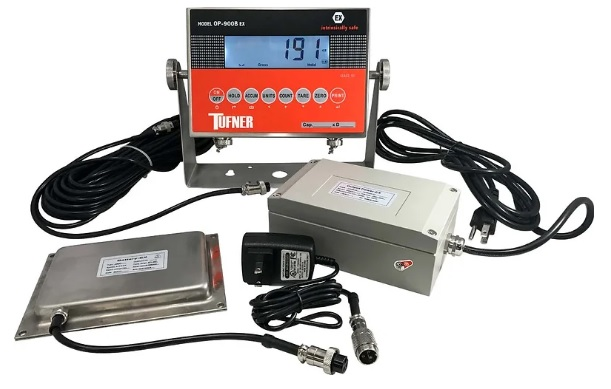
Washdown-rated models suit food plants. Explosion-proof models serve hazardous environments. Choosing the best industrial floor scales for your environment reduces long-term floor scale repair costs.
Cost Considerations and ROI
Automation requires investment, but the return is measurable.
Initial Investment Components
- Industrial floor weighing scales
- Programmable indicators
- System integration
- Installation and training
Ongoing Operational Costs
- Scheduled scale calibration services
- Routine industrial scale calibration
- Preventive weighing scale repair
- Professional scale repair service contracts
ROI Benefits
- Reduced labor expenses
- Improved product accuracy
- Lower material waste
- Faster production cycles
- Reduced emergency industrial-scale repair incidents
- Improved compliance documentation
Many facilities recover their investment within two years when supported by reliable scale calibration companies and an experienced industrial scale repair company.
Frequently Asked Questions
1. How often should an industrial floor scale undergo scale calibration?
Most facilities schedule industrial-scale calibration quarterly. High-precision environments may require monthly weighing scale calibration services.
2. When is industrial-scale repair necessary?
Industrial-scale repair is required when readings fluctuate, load cells fail, or structural damage occurs. Prompt scale repair service prevents production downtime.
3. Can an industrial floor scale be upgraded?
Yes, replacing the programmable indicator can modernize existing industrial floor weighing scales without replacing the entire platform.
4. Are rental options available?
Yes. Industrial scale rental, scales for rent, weighing scale for rent, and weight scale rental programs support temporary needs and emergency replacements.
5. Why choose the best counting scales?
The best counting scales improve inventory accuracy, reduce manual counting errors, and integrate seamlessly with automation systems.
Conclusion
Programmable scale weighing indicators have revolutionised industrial automation, evolving far beyond simple weight displays. They now control entire production processes across industrial floor scales, batching systems, and packaging lines with precision and speed.
Supported by certified scale calibration services, professional industrial scale repair, and reliable scale repair services, these systems ensure consistent accuracy and efficiency.
With the right equipment, proper scale calibration, dependable floor scale repair, and flexible industrial scale rental options, manufacturers can maintain control over even the most complex automated operations. Contact us today to learn more about our industrial floor scales, scale calibration services, industrial scale repair, and industrial scale rental solutions tailored to your automation needs.